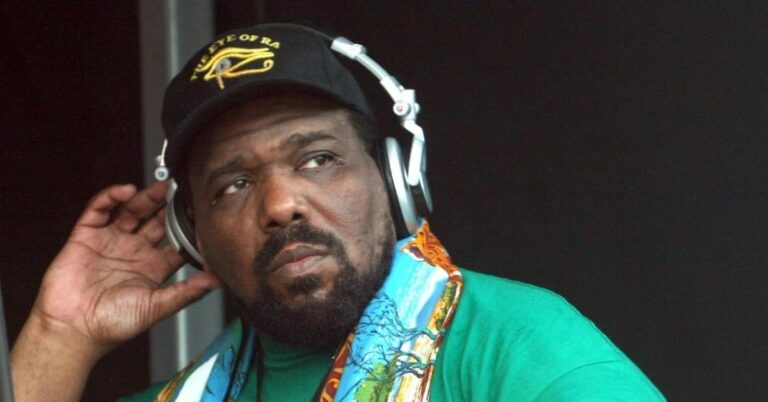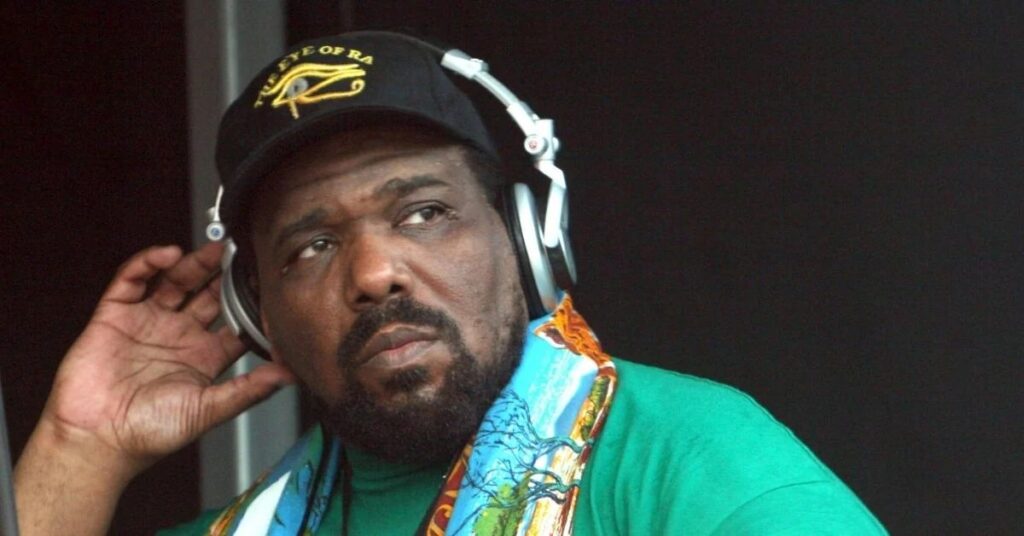
The news of Afrika Bambaataa’s passing sends a shockwave through the culture he helped build. At 67 years old, the legendary DJ and producer left behind a legacy that is as rich in innovation as it is complicated by controversy. We’re talking about a man who was one of the architects of Hip-Hop, a figure whose influence extended far beyond the turntables and into the hearts and minds of generations. With his departure, we are faced not just with the loss of a pioneer but also with the complex tapestry of his life and work.
Bambaataa’s impact on Hip-Hop is undeniable. He was instrumental in shaping the genre, introducing elements of funk, soul, and even electronic music that would go on to define the sound of a movement. The founding of the Universal Zulu Nation in the ’70s was a game-changer, establishing a platform for social justice and cultural awareness at a time when our communities needed it the most. He rallied us around the importance of unity, peace, and love through the power of music, reminding us that Hip-Hop was more than just a genre — it was a way of life.
Yet, his legacy is not without its shadows. The allegations surrounding his personal life have raised questions that our community has grappled with for years. They remind us that even our heroes are human, capable of flaws and failures. This duality forces us to confront the uncomfortable truths in our history while also acknowledging the monumental contributions he made to our culture. Bambaataa’s story illustrates the complexity of fame and artistry in a world that often demands perfection of its icons.
As we reflect on Bambaataa’s life, we are reminded of the profound impact Hip-Hop has had on social movements, youth culture, and collective identity. His beats and messages pushed boundaries and inspired millions to find their voice. The conversations that arise from his life and legacy will resonate for years to come, as we navigate the intricacies of artistry, accountability, and authenticity.
In a sense, his death is a call to action for our community to continue building, questioning, and celebrating the culture he helped create. Let’s honor his contributions while also holding space for healing and learning from the complexities that exist in all of us. As we move forward, let us remember that the story of Hip-Hop is still being written, and it’s up to us to ensure it reflects the full spectrum of our experience.
About The Author