Colin Kaepernick's Legacy in the NFL: What JAŸ-Z's Freestyle Reveals About the Culture
By Andre Coleman, PowerVault Staff The air was electric at Yankee Stadium this past July. The crowd, a sea of fans, felt the weight of history hanging over their heads as JAŸ-Z took the stage. When the legendary Brook...
By Andre Coleman, PowerVault Staff
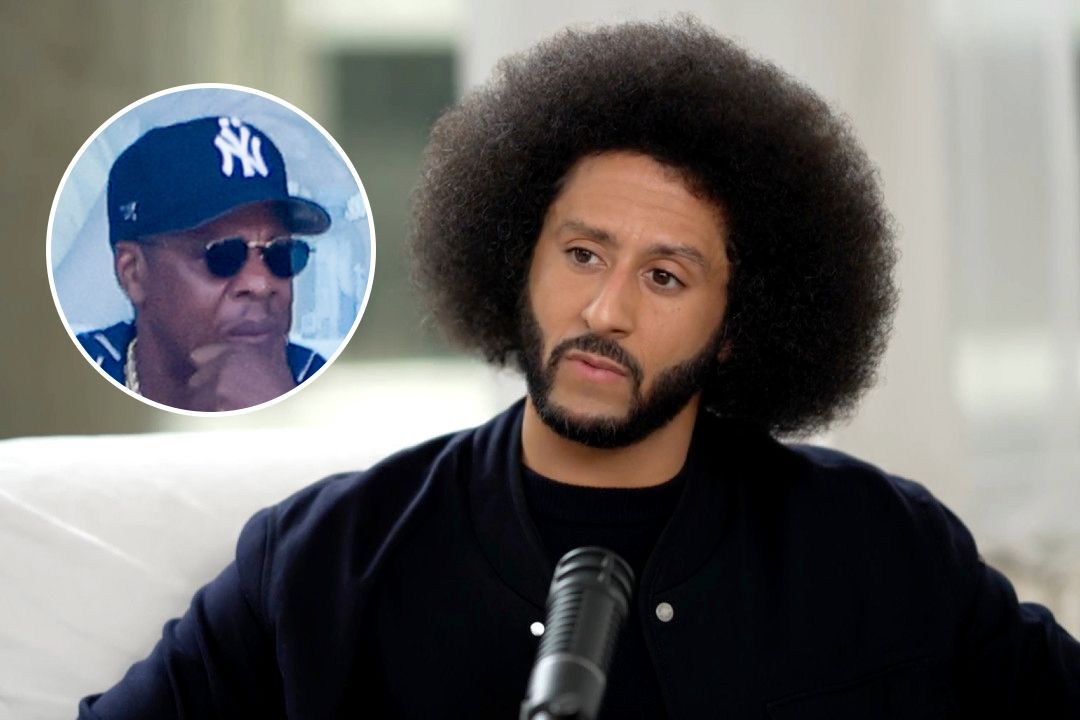
The air was electric at Yankee Stadium this past July. The crowd, a sea of fans, felt the weight of history hanging over their heads as JAŸ-Z took the stage. When the legendary Brooklyn emcee dropped a freestyle that casually invoked Colin Kaepernick's name, the moment rippled through hip hop and sports culture like a shockwave. This wasn’t just a shoutout; it was a declaration. The NFL, an institution built on a foundation of capitalism and entertainment, had become a treacherous playground for artists and athletes who dare to speak their truth.
For those who might need a quick refresher, Kaepernick is the ex-NFL quarterback who sparked a nationwide conversation about racial injustice and police brutality when he took a knee during the national anthem in 2016. His silent protest ignited a firestorm of criticism and backlash, painting him as a controversial figure in a league that thrives on hyper-masculinity and tradition. Fast forward to now, where Hov’s mention of Kaepernick serves both as a nod to the struggle and a critique of the system Kaepernick stood against.
JAŸ-Z has been walking a tightrope since his partnership with the NFL was announced back in 2019. On one hand, he positioned himself as a voice for the culture and a mediator for change within a league that has historically marginalized Black voices. On the other hand, many see his involvement as a complex dance with an industry that has profit margins that outweigh principles. The questions linger: Is Hov truly an ally, or is he simply cashing in on Kaepernick’s legacy?
In his freestyle, Hov didn't just mention Kaepernick; he acknowledged a reality that many in the industry have tried to sidestep. There’s a deep, systemic issue at play that goes beyond the football field. The NFL has a long history of tokenizing Black athletes while simultaneously dismissing their voices when it matters most. Kaepernick’s protest wasn’t just a moment; it was a movement, one that challenged the very fabric of American society and its relationship with race. For Hov to name Kap in this context is to provoke the industry and hold it accountable for its past sins.
The dynamics of race and class in America are as complex as they come, especially in spaces like the NFL where Black athletes are often commodified. The league profits off their physical prowess but shies away from engaging with their social and political statements. Hov's mention of Kaepernick during a high-profile performance speaks to an urgency that transcends the game itself. It asks the hard questions of who really benefits from these partnerships and what platforms are built for justice.
Furthermore, Kaepernick's struggle wasn't just for himself; it became a symbol for countless others who have faced injustice. His abrupt exit from the league shines a light on how the system punishes dissent. Hov's placement of Kaepernick in the limelight, especially in front of a stadium full of fans, is a reminder of the cost of speaking truth to power. It begs the question: can music and sports ever truly align with social justice, or are they forever intertwined in a capitalist cycle that demands silence?
The reception to Hov’s freestyle has been predictably mixed. Some critics argue that his partnership with the NFL undermines the significance of Kaepernick’s protest. Others see it as a strategic move to create change from within. It’s a classic case of the age-old debate in activism: is it better to work within the system or outside of it? The reality is that both approaches can be valid, but the stakes are high. For every step forward, the culture faces pushback from those who would rather maintain the status quo.
As the conversation around Kaepernick and the NFL continues to evolve, it's essential for the culture to remain vigilant. The media cycle has a funny way of shifting narratives, often sidelining the individuals who initiated change. Hov’s mention of Kaepernick is a powerful reminder that we cannot allow history to be rewritten. The history books might gloss over Kaepernick’s sacrifices, but in hip hop and among the community, his legacy remains unbroken. The industry needs to take note: no matter how many deals are struck or concerts staged, the fight for justice and representation is far from over.
The question remains, what’s next for Kaepernick? Will he continue to be a pawn in the game, or will he reignite his own narrative? Hov’s spotlight shines bright, but it’s up to the fans, the artists, and the community to keep pressing forward. The conversation must continue beyond just a mention in a freestyle. It needs to translate into action,real, tangible change that uplifts voices rather than stifling them. The culture is watching and waiting for the next move. It’s a call to arms for everyone involved to ensure that the fight isn't just a chapter in a history book but a living, breathing movement that shapes the future.
As Kaepernick’s name reverberates through the halls of the NFL, let it also serve as a reminder that every artist, every athlete, every voice has the power to challenge the system. It's a long road ahead, but the culture is resilient. The streets have always spoken truth to power, and as long as that continues, hope remains alive. Hov's freestyle was merely a flashpoint, but the fire is far from extinguished. The culture will keep pushing, and we’ll be here to document every moment.