Why New Orleans Bounce is More Than Just a Party Scene — It's a Cultural Ritual
By PVN Staff · August 30, 2026 · Hip Hop News
By Tanya Brooks, PowerVault Staff
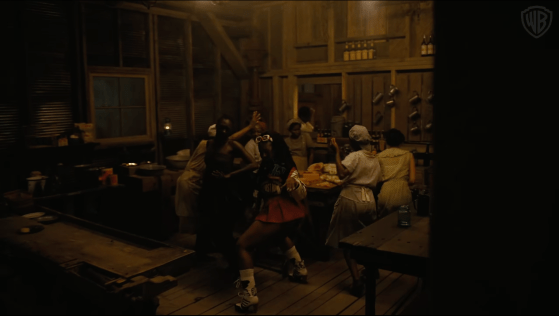
The bass was already bouncing off the walls when the line outside the Juke Joint started swelling. Inside, the air was electric, thick with anticipation, and it hit you like a wave as soon as you stepped in. The rhythm was infectious, pulling you into a pulsating crowd that moved as one, caught in the grip of something much deeper than just music. Here, in the heart of New Orleans, this wasn’t just a party. It was a release, a defiant act of joy and community.
New Orleans Bounce is often mistaken for mere raucous revelry, judged by mainstream eyes as chaotic and hedonistic. But let's be real , if that’s all you see, you’re missing the magic. What’s happening here is a ritual, one born from the streets and club floors of the Big Easy, rooted in a history that speaks volumes about resilience, freedom, and the everlasting spirit of Black culture.
The scene may look wild, but each twerk, each bounce is a story told through movement. From Big Freedia’s commanding presence on the mic to the dancers who transform the floor into a stage, this is a living, breathing celebration of Black identity. This is a space where you can shed the weight of daily struggles, the systemic burdens, and simply exist, unfiltered and unapologetic.
For decades, Bounce has been a megaphone for the disenfranchised, offering a voice to those who are all too often silenced. It’s a genre that emerged from New Orleans’ housing projects, a blend of hip hop, reggae, and the city's own second-line jazz traditions. Here, the beat is more than just sound; it’s a heartbeat, syncopated and strong, pushing back against erasure and oppression.
Bounce has grown beyond its regional roots, taking its place on national stages and streaming platforms. But its essence remains unchanged. It’s raw, real, and it resists sanitization. The mainstream might try to package it neatly, but Bounce can't be boxed in. It's a mirror reflecting the complexities and joys of Black life, a necessary counter-narrative to the stereotypes that persist in popular culture.
Here’s the real talk: New Orleans Bounce is both a celebration and a survival instinct. It's a reminder of the community’s power and the strength found in unity. When you’re moving to the beat, you’re not just dancing; you’re part of a lineage, an unbroken chain that links the past to the present and beyond.
The social dynamics that play out in these spaces are also worth noting. Class and race are inextricably tied to the Bounce scene, and they reveal a lot about who gets to define what’s 'acceptable' culture. Bounce is often marginalized, yet it’s a genre that thrives on the fringes, precisely because it challenges the status quo.
Looking forward, the future of New Orleans Bounce is as unpredictable as it is promising. As it continues to evolve, the world will be watching , and listening. But the heart of Bounce will always beat strongest in the back alleys, the house parties, and the clubs of New Orleans. It's an invitation to all to not just witness, but participate in a cultural movement that’s as resilient as the city it calls home.
So next time you hear a Bounce track, recognize the ritual. Feel the history with every beat. And remember, this is more than music; it's a testament to the enduring power of Black culture, a celebration that's both ancient and new. In a world that constantly tries to dampen Black joy, New Orleans Bounce will always be a sanctuary where the spirit can soar free.