Keffe D Appeals Tupac Shakur Murder Conviction — What This Means for Hip Hop History
By DeShawn Price, PowerVault Staff In the dimly lit courtroom, a figure emerges , Keffe D, the man implicated in one of Hip Hop's most enduring mysteries, stands ready to challenge his fate. With Tupac's murder still...
By DeShawn Price, PowerVault Staff
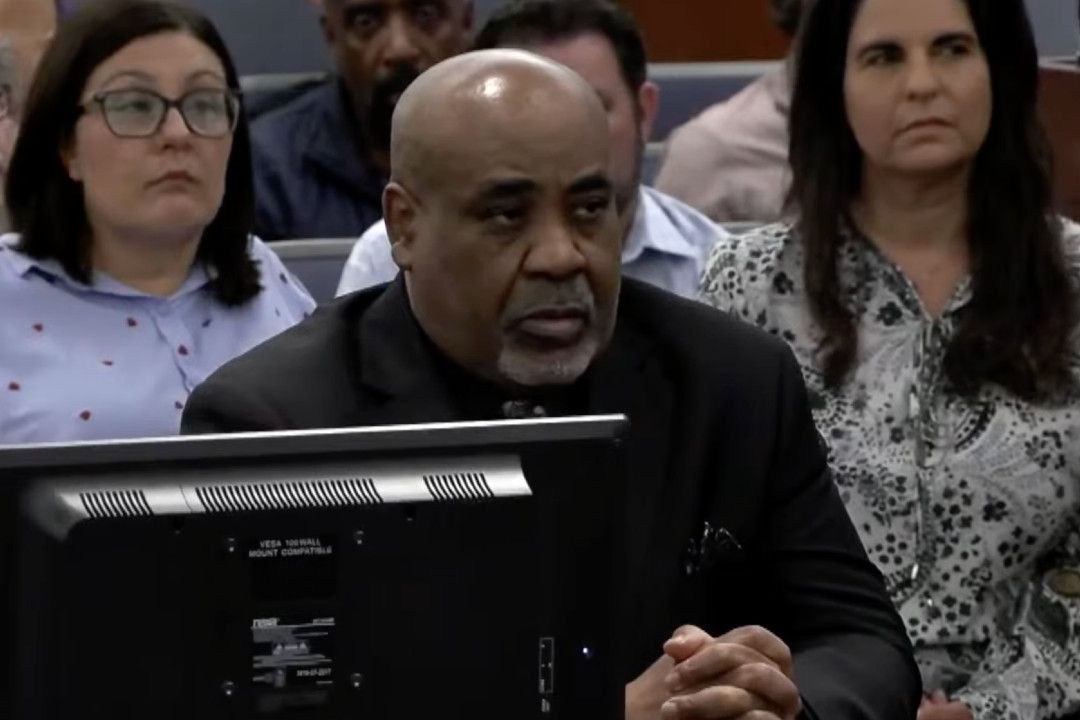
In the dimly lit courtroom, a figure emerges , Keffe D, the man implicated in one of Hip Hop's most enduring mysteries, stands ready to challenge his fate. With Tupac's murder still weighing heavily on the culture two decades later, the stakes couldn't be higher. As he prepares to appeal his conviction, the question echoes through the community: can justice truly be served in a case shrouded in controversy and complicity?
For those who’ve followed the saga of Tupac Shakur, the news of Keffe D’s appeal is like a punchline to a joke that’s lost its humor. This isn't just about a man seeking to overturn a conviction; it’s a commentary on the unresolved pain that still lingers over the Hip Hop community. With sentencing set for October, the clock is ticking, and with it, the memories of a fallen icon remain fresh, haunting conversations in barbershops, studios, and beyond.
As many know, Tupac was gunned down in a drive-by shooting in Las Vegas in September 1996. The circumstances surrounding his death have been debated endlessly, with theories and finger-pointing creating a cloud of uncertainty. Here we are, all these years later, and the cycle of suspicion continues. Keffe D's request for an appeal doesn't just open the door to legal wrangling; it reopens the chapter on an unsolved crime that feels all too familiar. Can we ever expect clarity in a world where truth is often masked by loyalty, fear, and a never-ending thirst for revenge?
Keffe D, born Duane Keith Davis, has long been a pivotal figure in this narrative. He was once close to Tupac and many in their circle. His testimony , and the stories he shared , painted a picture of a rivalry that exploded into violence, fueled by the East Coast-West Coast beef that defined the '90s. But as he now attempts to overturn his conviction, one has to ask: is this a genuine quest for justice, or another chapter in a tangled web of deceit and manipulation?
This appeal is not just legal maneuvering; it represents a larger discourse about accountability within the music industry. How often do we see those responsible for violence in Hip Hop walk away unscathed, while the victims become martyrs of a battle that should have never taken place? This is not merely about Keffe D and Tupac; it’s about a culture that often glorifies conflict instead of resolution. The industry thrives on the narratives of struggle, but at what cost?
While some may view Keffe D's actions as self-serving, others might argue that he is simply a product of a toxic environment. The world of Hip Hop has always had a complicated relationship with violence, loyalty, and betrayal. Rappers have historically found themselves entangled in conflicts that often end in tragedy, and the audience watches, entertained yet horrified. Does Keffe D's appeal highlight hypocrisy within the industry, where the lines between reality and artifice blur to the point of suffocation?
Moreover, the racial and social dynamics at play in this narrative cannot be ignored. The murder of a Black artist, whose life was extinguished too soon, speaks volumes about systemic violence faced by the Black community at large. Keffe D’s situation is a microcosm of a larger societal issue, one that sees Black lives caught in cycles of violence with little resolution or understanding. While fans argue about whose side they are on and whether Keffe D is simply a pawn in a more extensive game, the reality is that the culture is left holding the bag of unresolved trauma.
As Keffe D's appeal approaches, the Hip Hop community finds itself at a crossroads. Will we allow yet another chance for the truth to slip through our fingers, or will this be the moment when the past is finally confronted? Each artist, fan, and industry player holds a piece of this narrative, and it's essential to recognize the weight of that responsibility. Whether or not Keffe D wins his appeal, the conversation surrounding Tupac's legacy continues to evolve, challenging us to rethink how we approach conflict in our community.
The outcome of this appeal will undoubtedly set the stage for further discussions on Tupac’s legacy and the state of Hip Hop today. With recent events highlighting ongoing issues of violence and systemic injustice, every moment is an opportunity for growth and reflection. For fans, this is a call to transcend mere nostalgia for a legendary figure and instead actively engage with the complex realities of his story.
The case of Keffe D is not just about one man's guilt or innocence; it’s about a culture grappling with its past while trying to forge a new path forward. Tupac's music served as a vehicle for empowerment, social change, and a voice for the voiceless. As the appeal unfolds, the community must consider how to honor that legacy in a way that promotes healing and understanding above all else.
This story is far from over. As we await the court's decision, Hip Hop heads everywhere should reflect on the legacy of Tupac, the implications of Keffe D’s appeal, and the larger questions surrounding justice in our community. Will this be a moment of accountability or just another chapter in a tragedy that has yet to see its conclusion? The culture deserves answers, and it’s high time we demand them.