Arkansas Law Enforcement Comes Under Fire — What This Means for Black Communities
By Tanya Brooks, PowerVault Staff In a world where videos of police interactions have become as common as selfies, the tragic reality of Arkansas law enforcement is hitting harder than ever. With outdated practices re...
By Tanya Brooks, PowerVault Staff
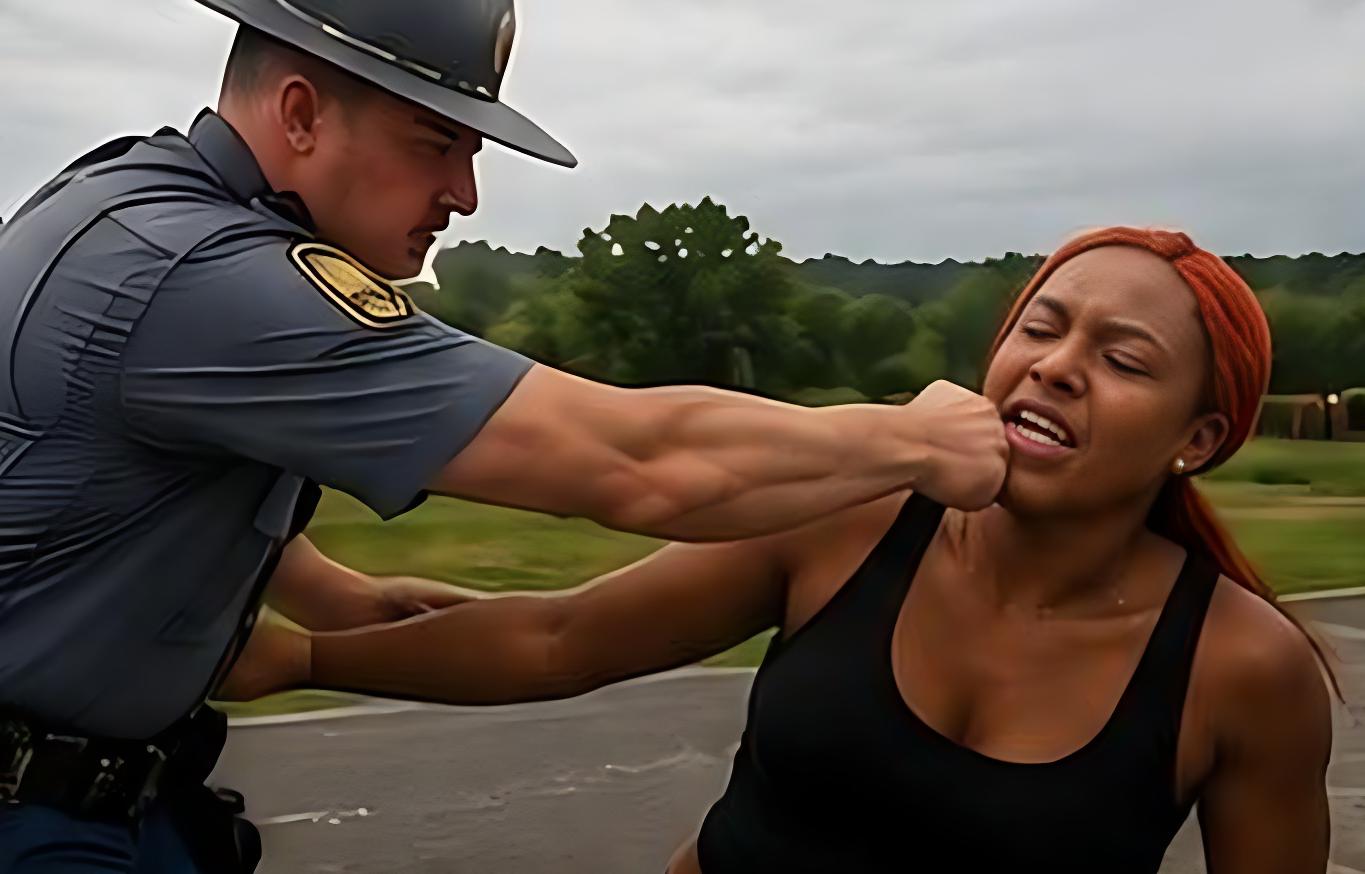
In a world where videos of police interactions have become as common as selfies, the tragic reality of Arkansas law enforcement is hitting harder than ever. With outdated practices reminiscent of Jim Crow era policing, the state's law enforcement is drawing national scrutiny for its treatment of Black citizens. It’s not just the headlines that are alarming; it’s the chilling feelings of déjà vu that accompany them. The echoes of civil rights struggles from the 1950s and 60s resound as we witness a troubling pattern of injustice that feels all too familiar.
The recent accusations against Arkansas law enforcement are not just allegations; they symbolize a larger systemic problem that has plagued Black communities across the nation. It’s a grim reminder that despite decades of progress, many Black Americans still find themselves on the receiving end of a justice system that is anything but just. The phrase 'strange fruit,' once used to describe the horrifying lynchings of the past, now takes on a new meaning as we see lives lost under the weight of racial bias and poor policing practices.
The backdrop of Arkansas , a state that has seen its share of civil rights battles , makes this situation particularly haunting. Is this a regression to a time when Black lives were expendable? The question isn’t just rhetorical; it digs at the core of our social consciousness. For Black communities, the conversation isn’t solely about what’s happening on the surface; it’s about how these patterns of oppression are deeply entrenched in the fabric of American society.
It's hard to ignore the role of systemic racism in amplifying these issues. The lack of accountability within law enforcement agencies fosters an environment where abusive practices can thrive unchallenged. As details continue to emerge, the conversations around police accountability are becoming increasingly urgent. How much longer can we allow these injustices to persist before action is taken? The silence from those in power is deafening, as mothers and fathers fear for their children’s safety every time they step outside.
One can’t help but connect the dots between various incidents across the country, from the police brutality in San Bernardino, which sparked outrage after a teen was assaulted, to the ongoing struggles against police violence in cities like St. Louis and Minneapolis. The common thread is a failure to protect and serve, particularly when it comes to Black lives. The power dynamics at play here cannot be overlooked. The fact that Black Americans are disproportionately affected by police violence is not merely a coincidence; it is a reflection of systemic inequities that have been ignored for far too long.
In navigating the cultural landscape shaped by these events, it becomes clear that representation matters. Whether it’s in media, politics, or law enforcement, the need for diverse voices is paramount. When law enforcement lacks representation, it leads to a disconnection that exacerbates the issues of trust and accountability. For many Black individuals, the feeling of being policed rather than protected by those sworn to serve leaves a lasting impact. It raises the question: can true reform occur without diverse leadership within these agencies?
The recent focus on Arkansas law enforcement is just one piece of a larger puzzle that requires urgent attention. As the nation grapples with racial injustice, the fight for reform becomes not just a local issue but a defining one for all of America. The emphasis on accountability means holding police departments to higher standards and demanding transparency from those who wield power. We need more than just hashtags; we require real change that is palpable and transformative.
In the aftermath of these revelations, communities are mobilizing. Grassroots organizations are stepping up to fill the void left by ineffective institutions. The call for police accountability resonates louder than ever, with protests and marches demanding justice for victims of police violence. The community is uniting, and they are refusing to back down. This is a moment for collective action, where the voices of Black communities cannot be silenced any longer.
As we look toward the future, the question remains: what will it take to shift the narrative? Beyond mere outrage, what does real change look like? Community engagement, policy reform, and, most importantly, voting for leaders who prioritize justice, accountability, and equity will play a crucial role. The fight against systemic racism is far from over, and this is just the beginning. Black individuals and communities should not have to bear the burden of a system that was never built to serve them.
In the words of civil rights icon Angela Davis, “Freedom is a constant struggle.” This struggle is not just for the present but also for the generations that will follow. It’s a fight worth engaging in, and as the national narrative shifts, it’s essential to keep pushing for equity and justice. The dialogue around policing must extend beyond the sensational headlines; it must delve into the systemic issues that give rise to these injustices. Until those responsible for maintaining order can be trusted by the communities they serve, the fight is far from over.
The moment calls for vigilance and solidarity. As we keep our eyes on Arkansas, we must also turn our gaze toward the larger fight for justice nationwide. The history of Black Americans is riddled with pain, but it is also filled with resilience. The path forward requires us to challenge the status quo at every turn, demanding accountability from law enforcement and advocating for a future where Black lives are valued, protected, and celebrated. In this ever-evolving narrative, the power lies in the hands of the people, and it’s time to use that power for transformative change.