Why Did Cam'ron Attend Keffe D's Trial? Here's What Happened and Why It Matters
By PVN Staff · August 30, 2026 · Hip Hop News
By Andre Coleman, PowerVault Staff
In a world where the lyrical prowess of legends like Biggie and Tupac still echoes through our airwaves, hip-hop remains not just a genre, but a living, breathing testament to cultural storytelling. The thing about stories is that they have chapters, unexpected plot twists, and characters that pop in and out when you least expect them. So, when Cam'ron, a titan in his own right, appeared at Keffe D's trial, it felt like a page-turner moment that demanded our attention.
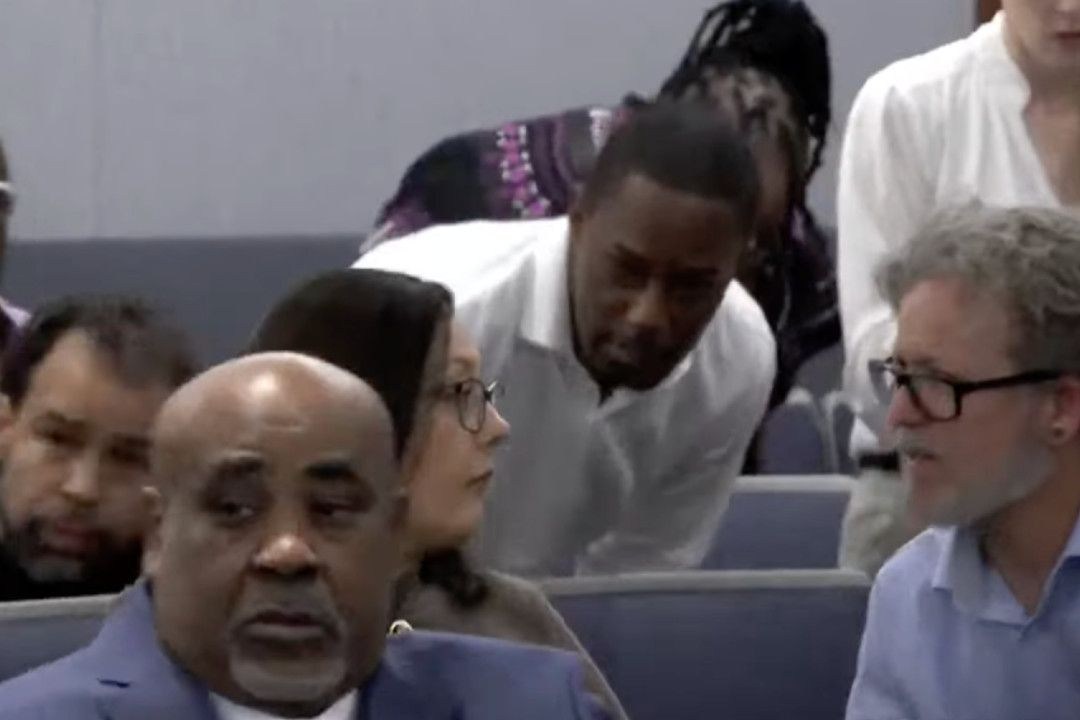
Cam'ron’s appearance at the trial of Keffe D, a name synonymous with the unsolved mysteries surrounding Tupac's murder, was as surprising as it was significant. For those who have been following the trials and tribulations of the East Coast-West Coast beef, the presence of a Harlem hip-hop mogul in a courtroom tied to one of the most infamous West Coast incidents is a scene that could only be scripted by real life.
Now, let's put it into perspective. Cam'ron is no stranger to the intricacies of the industry. As a founding member of The Diplomats, he's been part of a crew that understood the power of narrative and influence. His appearance isn't just a cameo in someone else’s story, but a nod to the interconnected web of hip-hop history where every player, every feud, and every resolution is tied to a greater cultural tapestry. Hip-hop is not just music; it's a narrative of identity, struggle, and legacy.
For Cam’ron, showing up at this trial is a symbolic gesture that speaks volumes about solidarity and reflection within the culture. It's a moment that prompts us to remember how deeply the industry is interwoven with these dramatic tales. At the heart of it, his presence signifies a respect for the gravity of unresolved histories and a reminder of the unfinished business within the community.
Let's take a beat and rewind to understand why Keffe D is a name that resonates with the hip-hop community at such a visceral level. Known to be one of the last surviving witnesses of Tupac's murder, Keffe D has long been a figure of controversy and intrigue. His confessions and interviews have lit fires of conspiracy and curiosity, keeping the flames of '90s hip-hop lore alive. The trial itself is more than just a legal proceeding; it's a public reckoning with a dark chapter in the culture’s history.
Cam’ron’s presence there is not just about nostalgia or paying respects. It's a call to remember the impact of past events on today's music and cultural landscape. Hip-hop has always been about more than the beats and rhymes; it's the unfiltered reflection of society’s undercurrents. The trial brings a chance to confront and reconcile with the past, offering lessons for future generations about the consequences of unresolved conflicts.
This moment also brings to mind previous instances where hip-hop figures have interjected themselves into pivotal events. Consider Jay-Z and Nas, whose former feuds once defined an era. Their eventual reconciliation wasn't just a personal resolution but a declaration that the culture matters more than individual grievances. Similarly, Cam'ron's attendance could very well be seen as a call for peace, understanding, and acknowledgment that the stories we tell and the histories we share have lasting effects on the community.
As hip-hop continues to evolve, bridging the past with the present and future becomes ever crucial. This trial, with all its heavy nostalgia and lingering questions, is a reminder that the ghosts of the past are not only storytelling elements but lessons and warnings. It’s about legacy. Cam’ron’s presence is him leaning into this legacy, reminding us that while the past may haunt, it also teaches.
Looking ahead, the trial's outcome might not deliver the closure many hope for, but it’s a chance to reflect on the culture’s journey and its still-persistent issues. The unresolved murder of Tupac Shakur is more than an unsolved case; it's a symbol of an era’s complex dynamics an era that shaped today's hip-hop world. Whether justice is served in the courtroom or not, the culture must continue to evolve and push forward, armed with the knowledge of its past and fueled by the creativity of its future.
In today's world, where the lines between music, activism, and personal expression blur more than ever, figures like Cam'ron showing up where it matters send a powerful message. Hip-hop is a living chronicle of Black excellence, struggle, and triumph. As the trial unfolds, it’s crucial to keep an eye on what this means for the broader narrative of hip-hop and Black culture. After all, understanding where we’ve been is essential to knowing where we’re headed.