Little Richard: The True Architect of Rock 'n' Roll and His Lasting Legacy
By Malik Carter, PowerVault Staff On a balmy Saturday morning, the music world woke up to a somber reality: the legendary Little Richard, the flamboyant force behind rock 'n' roll, had passed away at the age of 87. Hi...
By Malik Carter, PowerVault Staff
On a balmy Saturday morning, the music world woke up to a somber reality: the legendary Little Richard, the flamboyant force behind rock 'n' roll, had passed away at the age of 87. His son, Danny Penniman, broke the heartbreaking news, leaving fans and artists alike grappling with the loss of a titan whose influence stretched beyond music into the very fabric of pop culture. He wasn't just a singer; he was a cultural phenomenon, a trailblazer whose energy ignited the stage and whose impact still resonates today.
Born Richard Wayne Penniman on December 5, 1932, in Macon, Georgia, Little Richard was one of twelve children in a deeply religious family. That upbringing forged a complex identity for him, straddling the line between gospel music and the rebellious spirit of rock. His early life would set the stage for a career that not only shaped the sound of rock 'n' roll but also challenged racial norms of the time. Before Elvis could shake his hips or Chuck Berry could make the guitar sing, it was Richard who blasted open the doors to this new musical frontier with hits like 'Tutti Frutti' and 'Long Tall Sally,' songs that were edgy, vibrant, and unapologetically Black.
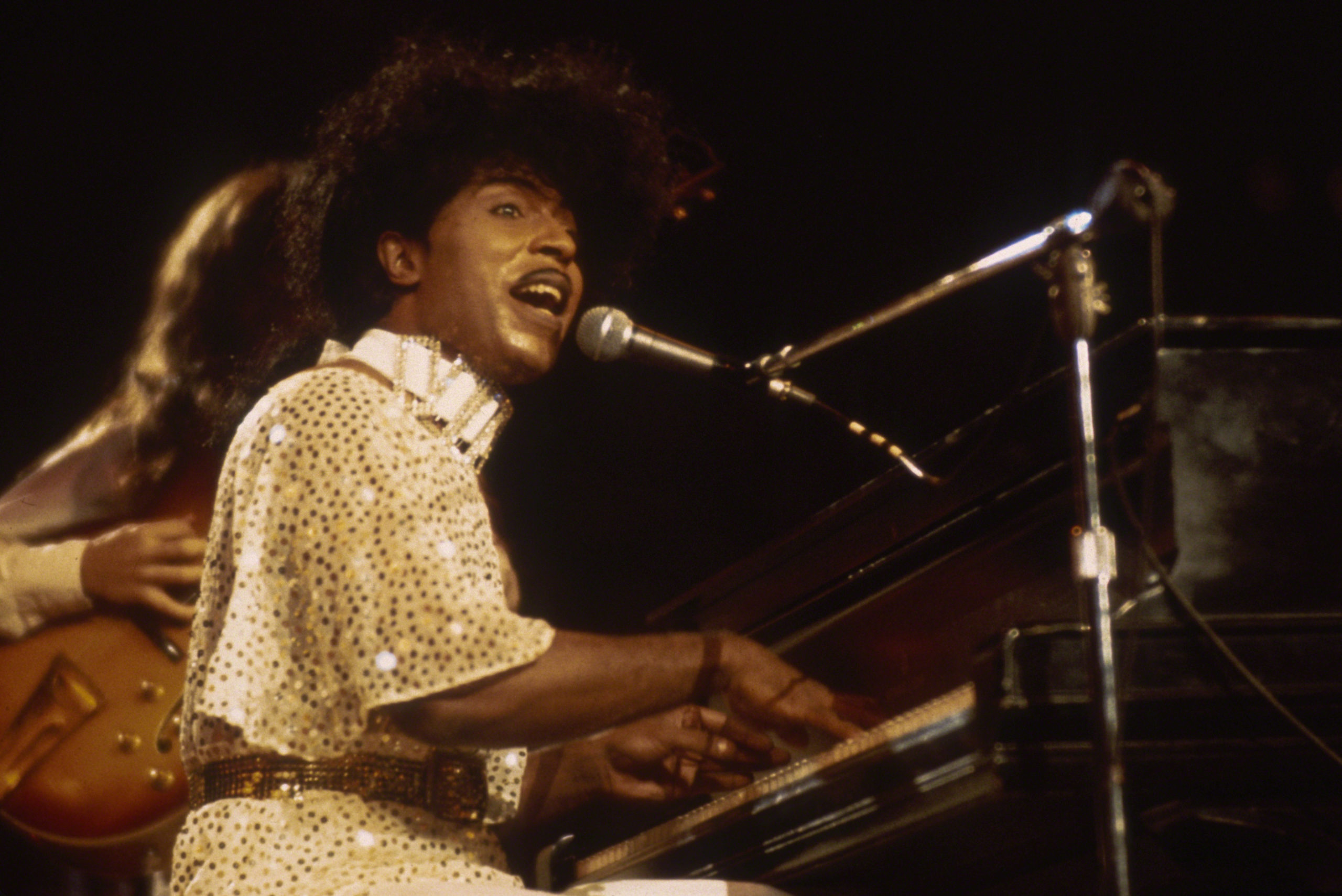
In a culture that often tried to stifle the loud, proud expressions of Black artists, Richard emerged with a persona so dazzling that it was impossible to ignore. His boisterous performances were filled with flamboyance, sexuality, and a kind of joy that transcended boundaries. He didn't just perform; he embodied a revolution. Richard's androgynous style and outrageous outfits challenged the conventional norms of masculinity, making him an icon not only for musicians but for the LGBTQ+ community as well. While he faced backlash and prejudice, he stood firmly in his truth, inspiring generations to embrace their individuality.
Little Richard's legacy is woven into the very DNA of rock music. When we talk about the artists who paved the way, his name must be mentioned alongside legends like Chuck Berry and James Brown. Yet, it's baffling how often he gets overshadowed. While other artists basked in the limelight, Richard often found himself relegated to the background, a victim of the very culture he helped create. This raises uncomfortable questions about how society values the contributions of Black artists. Why is it that the architect of rock 'n' roll isn't celebrated with the same fervor as his white counterparts? Why did his narrative become a side note in the annals of music history?
For many, Richard's flamboyance was a double-edged sword. His overtly sexualized persona didn't always sit well with the mainstream, leading to a complicated relationship with fame. While he broke barriers, he also faced discrimination and exclusion. Despite this, he used his platform to advocate for artists of color, often calling out the industry for its hypocrisy. In a world where Black artists still struggle for recognition, Richard's journey speaks volumes about the systemic issues embedded in the music industry. It’s a reminder that the fight for equality and acknowledgment isn’t over.
Little Richard didn’t just create music; he created a movement. His artistry is celebrated in the pantheon of rock history, but he should also be remembered as a cultural icon who championed the right to be authentically oneself. As new generations discover his music, it's crucial to ensure his contributions are recognized. The celebration of his life and work should extend beyond the music; it should become a call to action for change in how the entertainment industry acknowledges and uplifts Black voices.
With his passing, the industry must reckon with its history of erasure. As fans, we must honor Richard not only by listening to his songs but also by amplifying the voices of Black artists today. Who else is producing groundbreaking work that deserves our attention? How can we ensure that their experiences are validated and celebrated? Little Richard challenged norms and pushed boundaries, and now it is up to us to continue that legacy.
In remembering Little Richard, we also reflect on the broader cultural landscape. His story is intertwined with the evolution of rock and roll, as well as the ongoing struggles for representation and equality in the arts. His life is a testament to resilience, a reminder that the fight for our rightful place in history is far from over. We must keep the conversation going and challenge the industry to do better. Let us honor the architect of rock 'n' roll by advocating for the recognition and celebration of all Black artists who contribute to the culture.
The sounds of rock may echo differently now that Little Richard has left us, but his spirit will never fade. As we listen to the music he created, let us also carry forward the messages of love, acceptance, and authenticity that he lived. The next time you hear 'Tutti Frutti,' remember that you’re not just listening to a classic; you’re experiencing a piece of history, a slice of the life of a true pioneer. Celebrate the legacy of Little Richard, a man who dared to be different and changed the world with his music.