What Jay-Z's Roots Picnic Performance Means for His Legacy and the Hip-Hop Landscape
By Simone Walker, PowerVault Staff Picture this: the crowd at the 2026 Roots Picnic is buzzing, the air thick with anticipation. Lights flash, bass reverberates, and then there he is: Jay-Z. The 56-year-old titan saun...
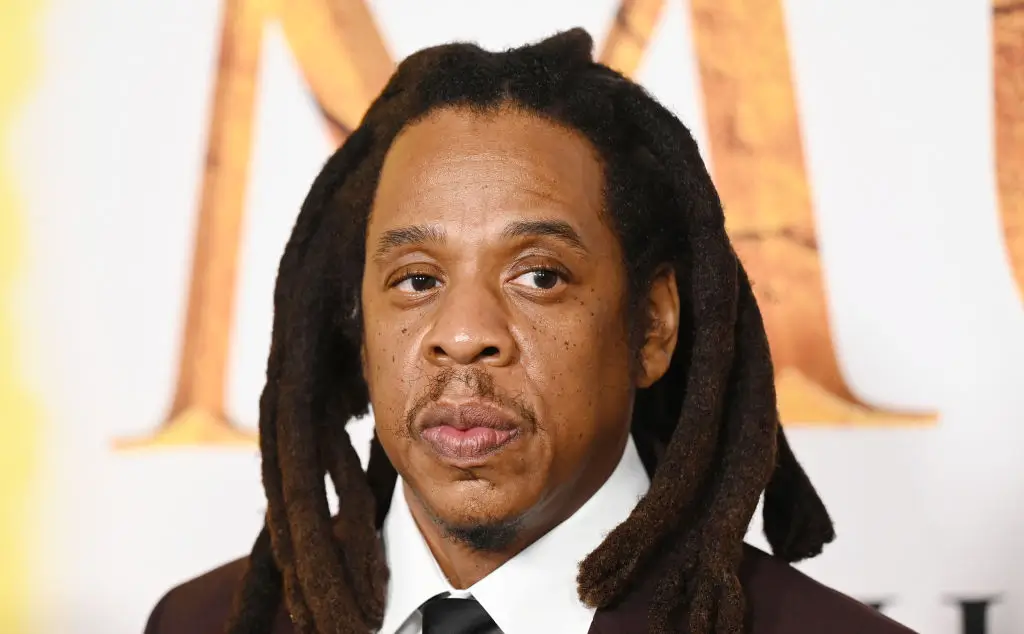
By Simone Walker, PowerVault Staff
Picture this: the crowd at the 2026 Roots Picnic is buzzing, the air thick with anticipation. Lights flash, bass reverberates, and then there he is: Jay-Z. The 56-year-old titan saunters onto the stage, not just as the legendary rapper we’ve known for decades, but as a man ready to settle scores. This wasn’t just another performance; it was a statement. After almost a decade of silence in the studio, Jay-Z’s return to the limelight was layered with meaning, a calculated move to address those who have taken shots at him over the years.
As the beats dropped, it was clear that Jay was done playing nice. The energy he exuded was a cocktail of nostalgia and ferocity. It’s been nine years since he released a studio album, and fans have been waiting not just for new music, but for a reminder of why Jay-Z is often regarded as one of the greatest in the game. With every lyric, he revisited the legacy he built, while simultaneously calling out those who seemed to forget it. This was more than a comeback; it was an assertion of dominance in a space where the youth often forget the pioneers.
What made the night even more tantalizing was the aftermath , the way Dame Dash, his former business partner turned adversary, decided to rise to the occasion. Dame took to his own platforms to bait Jay, throwing shade like it was confetti. This isn’t just a musical spat; it’s a reminder of the complexities of friendship, loyalty, and betrayal in the world of hip-hop. For those of us who have been following this saga, it's clear that the dynamics between Jay and Dame are anything but over. It’s a classic tale of brothers turned foes that keeps the timeline buzzing.
For anyone who thought Jay-Z would let the barbs fly without a response, think again. The rapper’s lyrical prowess has never been in doubt, but it’s his ability to adapt and respond to a changing landscape that keeps him relevant. In the era of social media feuds and fleeting fame, Jay-Z's strategic retorts remind the culture of the importance of legacy and respect. He may not have released new tracks in a while, but his impact continues to reverberate through the beats being dropped by younger artists who owe their careers to the paths he paved.
It's important to ask: Why is Jay-Z speaking out now? This resurgence isn't just about reclaiming his throne; it reflects a broader cultural moment where older rappers are asserting themselves against younger generations that sometimes forget the roots of hip-hop. In an age where the genre is often consumed in bite-sized clips and quick trends, Jay’s insistence on authenticity and legacy feels like a much-needed reminder that hip-hop is built on real experiences and real stories. And let’s be real , sometimes the youth need a little history lesson.
Moreover, Jay’s confrontation with Dame shines a light on the unspoken issues of loyalty and betrayal in the industry. Their dynamic is a microcosm of what so many artists face: the struggle between personal and professional relationships. As Jay-Hova steps back into the ring, he is not just fighting Dame; he’s battling a cultural shift that often sidelines the voices of veterans. This moment carries decades of history, and for many, it’s a rallying cry to remember where we came from.
Despite the tension, it’s exciting to see Jay-Z not only reclaiming his narrative but also using it to uplift the genre as a whole. This isn’t just about him. It’s about the countless artists who have come after him, inspired by his story and his hustle. For those who might dismiss this as just another celebrity feud, it’s worth taking a moment to reflect on what this means within the broader context of hip-hop culture.
As Jay continues to challenge critics and rivals, the implications are profound. He’s not just an artist; he’s a mentor, a figure who embodies the trials of navigating fame, fortune, and legacy. His presence at the Roots Picnic was not merely a performance; it was a masterclass in how to stand firm in your truth amidst chaos. The cultural shifts we see today often blur the lines, making it easy to forget the contributions of those who laid the groundwork.
What does this mean moving forward? As fans, we have to stay engaged with the narratives that matter. The beef between Jay-Z and Dame Dash is not just an entertaining subplot; it’s a reflection of the ongoing struggles within the industry. What happens now could set a precedent for how emerging artists navigate their own journeys in a world where the past is often conveniently forgotten. The challenge is to recognize these voices and stories as part of our collective history.
In the coming months, as Jay-Z potentially prepares to drop new music, the industry will be watching closely. Will he continue to address these personal and professional rivalries, or will he pivot back to the music itself? Either way, one thing is certain: Jay-Z is far from done. As he re-establishes his stake in the game, let’s keep the conversation alive. What stories do we need to revisit? What lessons can we learn from the past? As we watch this narrative unfold, the music will always be there, but the stories behind it deserve just as much attention.