Keffe D Found Guilty: What This Means for Tupac’s Legacy and Hip Hop Culture
By Malik Carter, PowerVault Staff The courtroom buzzed with a tension that could be felt from a mile away. Fans, journalists, and family members huddled together at the edge of their seats, caught somewhere between an...
By Malik Carter, PowerVault Staff
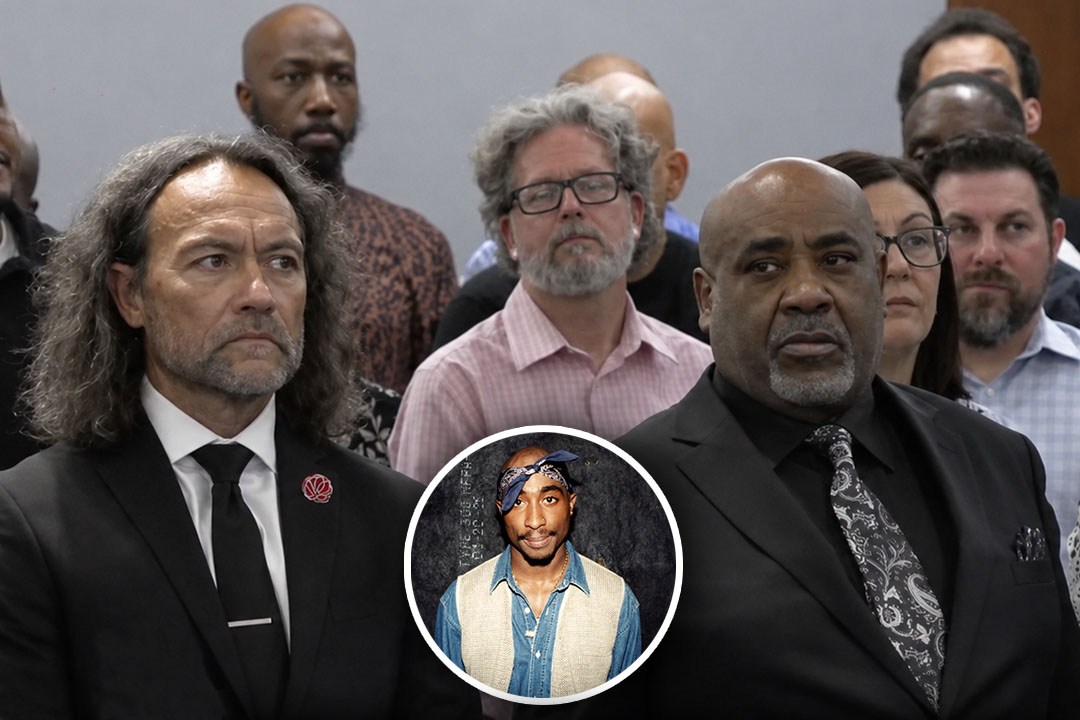
The courtroom buzzed with a tension that could be felt from a mile away. Fans, journalists, and family members huddled together at the edge of their seats, caught somewhere between anticipation and dread as the verdict dropped like a bombshell. Keffe D, the man long suspected of having a hand in one of the music industry’s most notorious unsolved murders, was found guilty of first-degree murder in the death of Tupac Shakur. This verdict doesn’t just close a chapter; it opens up a whole book of questions about the past and future of Hip Hop culture.
Tupac’s death in September 1996 isn’t just a footnote in music history; it’s a seismic event that reverberated through the entire industry, shaping the landscape of hip-hop for decades. His influence is undeniable, from the raw lyrics that cut deep to the passionate activism that sought change in a broken system. Now, with Keffe D’s conviction, the narrative shifts again, compelling the culture to confront its ghosts while honoring its legends.
For years, Keffe D, whose real name is Duane Keith Davis, was a name whispered in the shadows of Hip Hop lore. He claimed to be a witness to the event but was also rumored to be more involved than he let on. His recent trial brought everything back to the fore, igniting debates on the ethics of snitching, loyalty, and street codes.
The verdict feels like a final mic drop in a decades-long saga, but it also forces a reckoning with a culture that often glorifies violence. How many more stories will end in tragedy before we make a meaningful change? Keffe D’s role, whether as a shooter or a reluctant participant, is a reflection of the choices many make in a world where the streets can often dictate life’s harshest lessons.
This case shines a glaring light on the complexities of the East Coast-West Coast rivalry that dominated the 1990s, a feud that not only claimed Tupac but also Biggie Smalls. The fallout from their beef stretched far beyond just two artists; it fractured communities, inspired countless diss tracks, and pushed the genre into a darker, more dangerous territory. The question that looms now is whether justice can ever truly be served in the shadow of such chaos.
It’s easy to point fingers at Keffe D, to vilify him as the face of betrayal and violence in Hip Hop. But the truth is, he is also a product of a system that has historically marginalized Black voices. Growing up in a world where survival often meant picking up arms, his decisions are but a reflection of the environment that shaped him. This isn’t to absolve him of responsibility; rather, it’s a call to look deeper into the societal issues that birthed such tragedies.
The racial and class dynamics in this case cannot be ignored. For decades, the narrative surrounding police investigations into Black deaths has been tainted with indifference. Now that a conviction has come down, it’s worth asking what has changed for the families of the countless others who never saw justice for their loved ones. Tupac’s murder case drew attention; it was sensationalized in the media, debated in rap lyrics, and became a part of our collective consciousness. But what about the unsung victims? The nameless, faceless lives lost to violence? Are their stories worthy of the same fervor?
With the conviction of Keffe D, the Hip Hop community faces a crossroads. Will this moment incite a change, or will it merely serve as another chapter in the ongoing saga of violence and loss? As fans, artists, and cultural leaders, this is a moment to reflect on the legacy of Tupac, not just as an artist but as a beacon of hope and social justice.
The impact of Tupac’s work transcended music; it was a movement that sought to elevate the struggles of Black America. As Keffe D’s case unfolds, it’s vital to remember the essence of Tupac’s message: that art can challenge, provoke, and create dialogue. How can the culture grow from this moment? The responsibility lies with all of us.
In a time when the barrier between artistry and life is often blurred, the lessons learned from Tupac’s life and tragic death must not be lost in the noise of this verdict. The streets are filled with stories waiting to be told,stories of resilience, pain, and ultimately, hope. Keffe D’s conviction is a moment of reckoning, but it also serves as an invitation to honor Tupac’s legacy by continuing the fight for justice and understanding.
So what’s next? As the dust settles and the music plays on, it’s crucial for the culture to engage in conversations about healing and community-building. Artists have the power to influence thought and inspire change. Will they use their platforms to elevate awareness, or will they return to the same cycles that have plagued the genre? The choice is ours. The future of Hip Hop hangs in the balance, and every voice matters.
The memory of Tupac Shakur deserves more than just reflections and tributes. It requires action. As we move forward, let’s challenge ourselves to do better. To love harder. To create safer spaces for dialogue in both music and communities. The story of Tupac, Keffe D, and the streets of America is far from over. It’s up to us to write the next chapter.