Could Diddy Finally Face Tupac Murder Charges? What This Means for Hip Hop Culture
By DeShawn Price, PowerVault Staff Las Vegas was simmering under the neon lights, the sound of tires screeching against asphalt drowned out by the pulse of bass-heavy music. It was September 1996 when Tupac Shakur was...
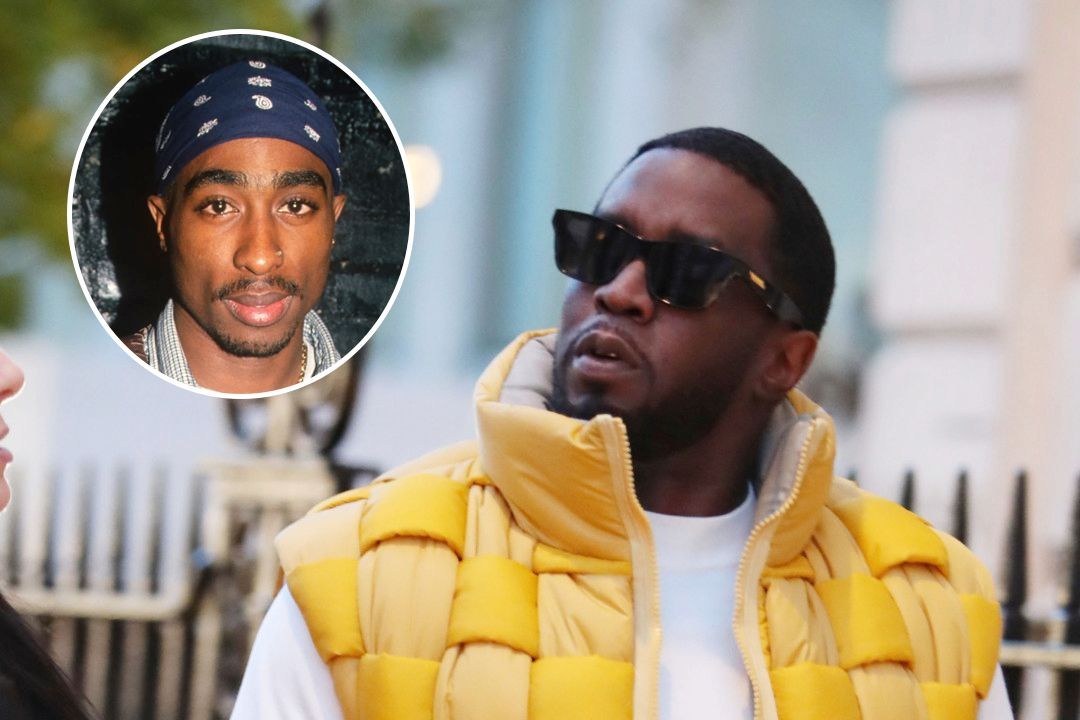
By DeShawn Price, PowerVault Staff
Las Vegas was simmering under the neon lights, the sound of tires screeching against asphalt drowned out by the pulse of bass-heavy music. It was September 1996 when Tupac Shakur was cut down in a drive-by shooting, leaving a gaping hole in the culture and an even larger mystery surrounding his death. Almost three decades later, the specter of that night continues to haunt Hip Hop, and the recent resurfacing of allegations against Sean 'Diddy' Combs in relation to Tupac's murder has sent shockwaves through the community.
The latest buzz comes in the form of ongoing proceedings in the trial of Duane 'Keffe D' Davis, where some believe the walls are closing in on Diddy. Rumors and whispers have long swirled about possible connections between the Bad Boy mogul and the violent end of one of rap's most significant figures. Those whispers are hitting a crescendo now, leading many to wonder: Is Diddy on the verge of being implicated in a case that has long felt like an unsolvable puzzle?
For years, Diddy’s name has been tossed around in the context of this case, most notably after Keffe D's admission that he was present during the shooting, claiming Tupac was targeted due to a longstanding feud rooted in the complex and often toxic dynamics between East Coast and West Coast rap. While there’s no smoking gun linking Diddy directly to the crime, the speculation and renewed focus on his potential involvement are enough to ignite a firestorm. It's a reminder that in this game, the past never really dies; it just waits for the right moment to resurface.
This isn’t just a matter of celebrity gossip; this hits at the heart of the culture. The death of Tupac Shakur was a seismic event that transformed Hip Hop forever, amplifying the violence and tension between artists and their camps. It highlighted the consequences of rivalry gone too far, a cautionary tale that remains relevant in today’s climate. The ongoing discussion about Diddy brings us back to that painful chapter, forcing us to confront the implications of violence in the industry and how it shapes the narrative around artists, fans, and the music itself.
The beef between East Coast and West Coast rappers was more than just lyrical; it was an indictment of systemic issues within the Black community. The media sensationalized every conflict, exacerbating the divide for ratings and profit. Shakur and other artists became pawns in the game, and Diddy was no exception. His rise to power came amidst this turmoil, and now, as questions swirl about his potential involvement in a murder case, the industry must reckon with its past decisions.
Every time a new piece of the puzzle emerges, the question looms larger: Who really was involved in Tupac's murder? Was this a result of larger industry politics, or was it simply a collision of egos? Diddy, who has built an empire on the foundation of Hip Hop, now faces the possibility of his legacy being forever marred by these allegations. If he is implicated, it will not just tarnish his name but could reshuffle the entire narrative of Hip Hop’s history.
And what about Keffe D? As he takes the stand, he carries the weight of years of silence and the burden of knowledge that could finally resolve one of Hip Hop's greatest mysteries. His testimony has the potential to change everything. The streets want answers, and they want them now. The culture demands transparency, and after years of waiting, it seems the truth is inching closer to the surface.
But let’s consider something else: the implications of this trial on a broader scale. Many artists today continue to navigate the choppy waters of fame, rivals, and the repercussions of their words. The younger generation looks up to icons like Diddy, not just for their music but for their business acumen. If this case does unfold in a way that brings Diddy into the crosshairs of legal action, it will serve as a stark reminder of the potential consequences that come with fame in a violent industry.
There’s also the ugly reality that the Hip Hop community must confront. Many artists live with the legacy of violence; too many have fallen victim to it. Tupac’s death wasn’t just a loss , it was a symptom of something much larger that the industry refuses to address. The glorification of the gangster lifestyle, combined with the insatiable appetite for conflict, can create an environment where the stakes are too high. If the charges against Diddy do come to fruition, it could lead to a reflection on how the culture celebrates and commodifies street beefs without considering the long-term impact.
The storm brewing over the potential charges against Diddy is indicative of the complexity of loyalty, betrayal, and the ever-evolving landscape of Hip Hop. Fans are left wondering how the events of the past continue to shape the present. This conversation goes beyond one artist or one incident; it’s a reckoning for the entire community. The industry has a duty to ensure that everything it represents isn’t just about fame and profit, but also about accountability and respect for those who have paved the way.
As the world watches this trial unfold, the implications stretch far and wide. For fans and artists alike, this case serves as a reminder that the past is never far behind. In a culture that prides itself on authenticity, transparency is paramount. As questions linger over Diddy’s potential involvement, it opens the door for more discussions about accountability, the lessons learned from a tragic history, and how the industry can move forward without repeating the same mistakes.
In the end, whether Diddy faces charges or not, the narrative surrounding Tupac’s murder will continue to haunt Hip Hop. Artists and fans alike must grapple with the dual realities of celebrating the culture while acknowledging the violence that sometimes comes with it. The lessons of the past remain unlearned, and as the trial progresses, the Hip Hop community stands at a crossroads. What happens next could change the narrative for generations to come, forcing everyone involved to confront the uncomfortable truths that have lingered in the air for too long.