50 Cent's Insight: How J. Cole Paid the Price in Kendrick Lamar and Drake's Beef
By Simone Walker, PowerVault Staff A room buzzing with that unmistakable mix of adrenaline and anticipation, a vibe only true Hip Hop heads recognize. These aren't just fans; they're devotees hanging onto every word f...
By Simone Walker, PowerVault Staff
A room buzzing with that unmistakable mix of adrenaline and anticipation, a vibe only true Hip Hop heads recognize. These aren't just fans; they're devotees hanging onto every word from Fiddy, the mastermind behind G-Unit, known for his strategic moves in both music and business. The energy was electric, a palpable current, as 50 Cent dropped a bombshell that no one saw coming. Suddenly, J. Cole was pulled into the Kendrick Lamar and Drake beef saga, a narrative already thick with tension and anticipation. It is more than entertainment; it was a real insight into the decade's most talked-about rivalry, a peek behind the curtain of Hip Hop's elite circle, where every move is a calculated step in a high-stakes game.
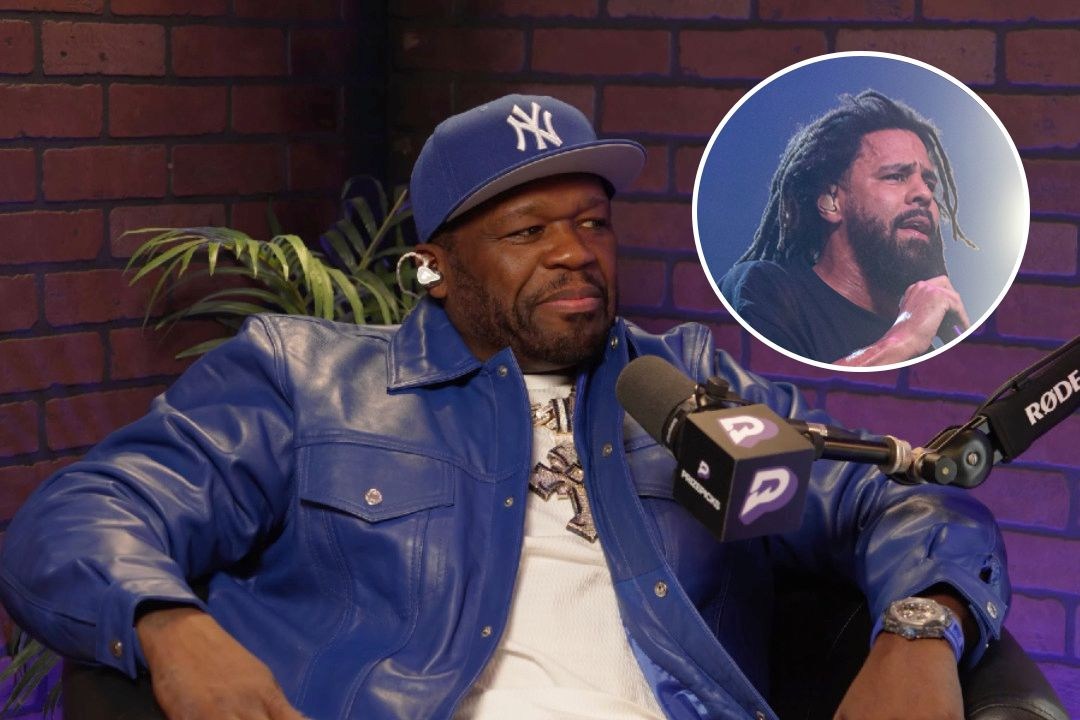
The music world got a jolt when 50 Cent voiced his take on the long-standing tension between Kendrick Lamar and Drake, but with an unexpected twist that few anticipated. On 'The Crew Has It' podcast, joined by Power co-stars Michael Rainey Jr. And Gianni Paolo, Fif suggested that it wasn't Kendrick or Drake who bore the heaviest burden in this lyrical bout, it was J. Cole. This revelation shifted the narrative entirely. The episode delved deep into how opting out of the fray went against the competitive spirit that has long fueled Hip Hop's fiery core. For 50, the stakes were clear: Cole, by sidestepping the clash, paid the highest cultural price, risking his standing in a genre where engagement is often equated with validity.
Fif's words echo loud in a scene that's all about flexing your lyrical prowess, the kind of environment where every bar is a potential game-changer. 'I think it's a part of Hip Hop culture to compete,' 50 emphasized, tapping into a fundamental truth of the genre. His observation was clear-cut and unfiltered: not engaging in this epic feud signaled a missed opportunity for J. Cole, despite his revered status in the rap game. The ripples of this statement were felt across social media, where the buzz and chatter only underscored the weight of 50's words. For an artist like Cole, known for his introspective and often profound lyricism, the decision to sit this one out is both a personal and cultural statement.
Backtracking to 2024, J. Cole fired the first shot at Kendrick Lamar with his track '7 Minute Drill.' It was a bold move, signaling his willingness to step into the arena with one of the most formidable MCs of our time. But just as quickly as it appeared, the track vanished from streaming platforms, a disappearing act that left fans puzzled. Cole soon took the stage at his very own Dreamville Fest, where he issued a public apology to Kendrick, a move that was both unexpected and revealing. This act of retreat left the battleground wide open for Drake and Kendrick to continue their lyrical sparring, a clash that had already captivated fans with its twists and turns, each bar a new chapter in an ongoing saga.
50 shared a critical moment from his conversation with Drake, a candid exchange that peeled back the layers of public perception. He recounted a time he asked the Toronto star what he felt he lost in this heated battle. Drake's response was nonchalant, almost dismissive: 'Nothing.' This simple yet profound reply says a lot about his position in the game. It's proof of his ability to churn out hits that resonate beyond beefs, keeping him afloat in the turbulent waters of Hip Hop. Drake's knack for crafting catchy anthems ensures his relevance, his music transcending the ephemeral nature of most rap beefs. The conversation between 50 and Drake reveals a deeper understanding of the industry's mechanics, where the real currency is influence, not just controversy.
Hip Hop has always thrived on the spirit of competition, a dance as old as time between rivalry and respect, where each artist vies for the top spot. The Kendrick-Drake saga is reminiscent of past iconic clashes, like the legendary Jay-Z versus Nas battle in the early 2000s. Each bar, each jab, carried the weight of crafting a legacy and solidifying one's place in the hip-hop hierarchy. Opting out, as J. Cole did, echoes moments like when Common and Ice Cube decided to call a truce, choosing peace over perpetual conflict. It's a deviation from the norm, where battling is seen as a rite of passage, a necessary proving ground for those seeking to cement their status as true contenders in the rap arena.
But here's the kicker: J. Cole's choice challenges the industry norm of public rivalry, urging a closer look at authenticity in Hip Hop.
J. Cole's choice challenges the industry norm of public rivalry, urging a closer look at authenticity in Hip Hop.
J. Cole's decision isn't just about pulling back from a potential clash; it's a bold statement about identity and purpose in an industry obsessed with image and perception. His actions suggest that success might not always tie to public dukes and Twitter storms, a provocative notion at a time when headlines often define careers. Cole's route is more about introspection and creating meaningful art away from the noise, a path less traveled but potentially more fulfilling. It puts a spotlight on whether fans value substance over spectacle, challenging the very core of what it means to be a successful artist in this era. By choosing authenticity over theatrics, Cole invites us to reconsider the metrics of success, advocating for a more complicated appreciation of artistry.
For the industry, J. Cole's move prompts a reevaluation of what it takes to stay relevant in a scene where beef can spike streams and headlines. Choosing a path of less public confrontation can be risky, especially when attention is often equated with success. Yet, it also opens a dialogue about defining success beyond charts and clicks, urging a reconsideration of what truly matters in an artist's career. Is it possible that authenticity, as J. Cole seems to suggest, is the next evolution in Hip Hop? His stance challenges the industry to look beyond superficial metrics, considering the long-term impact of genuine artistry over temporary sensations. It's a call to redefine what it means to be influential and enduring in a rapidly changing musical scene.
The Hip Hop audience, particularly the younger generation, stands at a crossroads, caught between two worlds. They grew up witnessing explosive beefs that shaped the culture, yet they're also in an era where mental health and authenticity gain ground. Cole's decision might signal a shift in what this generation values, hinting at a move towards deeper, more meaningful expressions of self. This generation is increasingly aware of the pressures and pitfalls of public life, valuing transparency and sincerity over the manufactured drama of past eras. In this evolving scene, Cole's choice to opt out of a high-profile beef invites a conversation about priorities, urging fans to consider what truly resonates with them on a personal level.