50 Cent's Political Apathy: What It Reveals About Hip Hop's Voice
By Jasmine Reed, PowerVault Staff The room buzzed with the electric energy only 50 Cent can ignite. A sea of faces, some familiar and others fresh, gathered at a venue as iconic as his name, reminiscent of a time when...
By Jasmine Reed, PowerVault Staff
The room buzzed with the electric energy only 50 Cent can ignite. A sea of faces, some familiar and others fresh, gathered at a venue as iconic as his name, reminiscent of a time when hip hop shows were raw and unfiltered. No lights or stage necessary, just Fif holding court in an unscripted moment that felt like a throwback to the essence of the culture. You could hear the crowd's anticipation, the collective bated breath waiting for the mogul's next move. But this time, it wasn't about music or movies or even his latest business venture. It was about taking a step back from something much larger, politics.
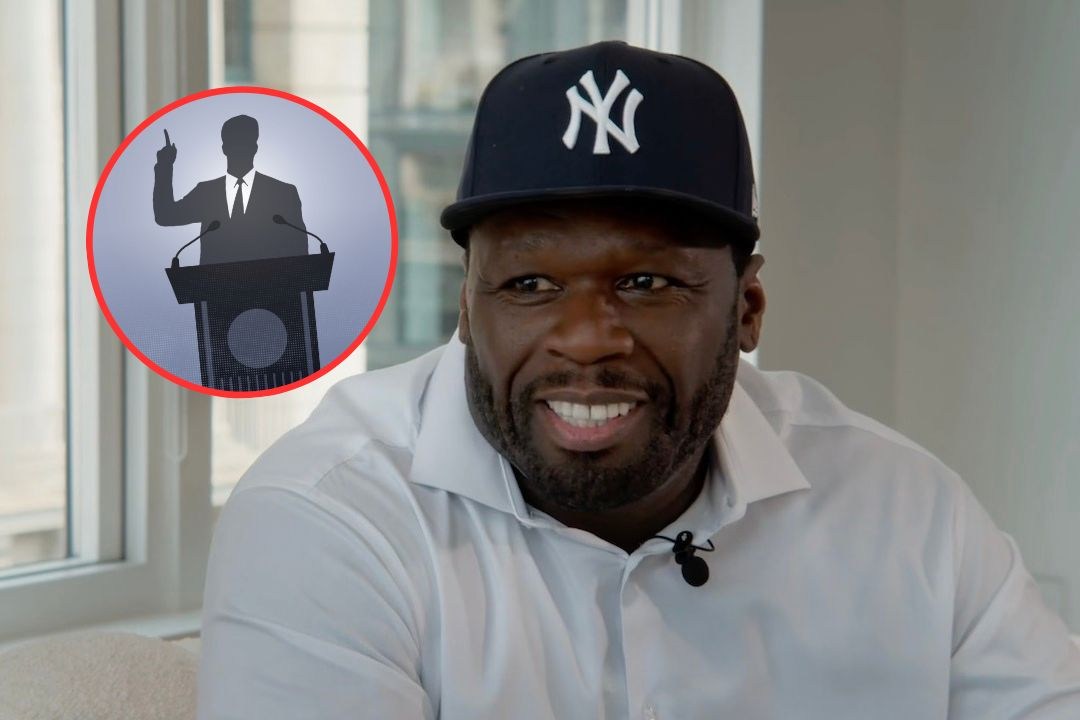
50 Cent, never one to hold back, recently shared his thoughts on politics, or rather, his indifference to them. As reported by XXL Magazine, Fif made it clear: he's not about to get political. For a rapper who’s used to making headlines with his unapologetic takes, this statement was as striking as his past controversies. At a time when politics often intertwine with public life, especially for influential figures who are expected to take a stand, 50's decision to stay neutral is both surprising and telling. It echoes a sentiment of disengagement that resonates with those tired of the political noise, yet it also sparks curiosity about what drives such a bold stance.
50 Cent, born Curtis Jackson, has always been more than a musician. His ventures in business and entertainment have made him a household name, from his groundbreaking albums to his successful TV shows like 'Power'. Yet, his foray into politics, or lack thereof, raises eyebrows. When asked about political involvement, his response was blunt, almost dismissive, as if to say that realm isn't worth his time. It's not his focus, not his lane, and he's not about to pretend otherwise. To some, it was a relief to see someone sidestep the political circus; to others, a disappointment for not leveraging his platform. But for those who know his history of calculated moves, maybe it was expected all along.
Historically, Fif has flirted with political commentary, though often with a grain of salt. Remember his 2020 dalliance with Trump endorsements, only to backtrack amidst backlash when the heat got too real? Or his public feuds with other artists who took strong political stances, like when he clashed with Diddy over voting campaigns? Each instance seemed more about provocation than genuine political engagement, a way to keep his name buzzing rather than standing firm on an issue. For 50, staying in the spotlight has always been priority number one, and politics might just be a tool rather than a cause, a chess piece in the game of maintaining relevance.
Yet, his apathy towards politics isn't entirely out of character. 50 Cent has always been a businessman first. His empire spans music, television, and spirits, most notably his Sire Spirits brand, which includes Branson Cognac and Le Chemin du Roi Champagne. Politics, with its polarizing nature, could potentially disrupt his diversified portfolio, where controversy could translate to lost sales. Aligning with a political cause might alienate part of his consumer base, and that's a risk he's unwilling to take. Like many moguls in the game, his decisions are often guided by the bottom line, and staying neutral ensures he keeps the cash flow steady, avoiding unnecessary drama that could hit him where it hurts, in the pockets.
But this is more than about 50 Cent. His stance reflects a pattern seen across hip hop, where engagement in politics varies widely. Artists like Kendrick Lamar and J. Cole have used their platform to address social issues, crafting albums that double as political statements, resonating with fans who crave that depth. In contrast, others choose to sidestep the political arena, focusing on personal narratives or entertainment that speak to different aspects of the human experience. This dichotomy within hip hop isn't new. Back in the '80s and '90s, Public Enemy and N.W.A laid down tracks that were as much about social protest as they were about music, setting a precedent for politically charged lyrics. Fast forward to today, and the question remains: Should artists be activists, or is their art enough to make a statement? The lines are blurred, and each artist must decide where they stand.
And yet, when an industry built on rebellion opts for silence, we're left wondering if apathy is the new protest.
When an industry built on rebellion opts for silence, we're left wondering if apathy is the new protest.
For 50 Cent, the choice not to engage politically could be a statement in itself. In a climate where everyone is expected to have an opinion, choosing not to participate might be the loudest commentary, a move that says a lot in its silence. It could signal disillusionment with a system that seems broken beyond repair, reflecting a sentiment shared by many who feel their voices go unheard. Or, perhaps, it's a reflection of the evolving nature of celebrity involvement, more strategic than sincere, where every move is calculated for maximum impact or minimal backlash. By opting out, 50 might be redefining what it means to be a public figure in the modern era, where sometimes saying nothing says everything.
In the broader industry, 50's stance highlights a potential shift. With the rise of social media, artists are now brands, and brands thrive on staying neutral, avoiding the chaos that comes with taking sides. As fans demand authenticity, the narrative of the artist as an activist may be losing its allure, as audiences become wary of performative gestures that lack substance. The industry's pivot towards media conglomerates over grassroots movements could explain the apathy, a move where the focus is on maintaining marketability over making waves. It's a shift from revolution to revenue, where the stakes involve dollars more than ideals, and where the new currency is engagement rather than enlightenment.
For the audience, Fif's decision to stay out of politics stirs mixed feelings. On one hand, it raises the question of responsibility. Should celebrities leverage their influence for social change, using their platform to amplify important causes? On the other, it reflects a growing sentiment of frustration among the public, where political engagement feels less impactful, like shouting into a void with no one listening. In a world oversaturated with voices, perhaps staying silent is the real revolution, a way to reclaim agency and handle the noise on one's own terms. It challenges the expectation that every public figure must play a role in the political arena, suggesting that sometimes, stepping back is the most powerful move.
The underlying dynamics of race, class, and industry politics can't be ignored. Hip hop, born from marginalized voices, has always been a platform for social commentary, a way for the oppressed to speak truth to power. But as artists ascend to new heights, the pressure to conform to industry standards increases, with commercial success often demanding a certain level of neutrality. The racial undertones of staying neutral in politics are complex, highlighting the tension between authenticity and accessibility. It's a balance between staying true to roots and adapting to new realities, a tightrope walk where one misstep could cost credibility or connection. For Black artists, this balance is even more delicate, where their influence is both celebrated and scrutinized, making every decision a statement in itself.
So what happens next? 50 Cent’s apathy could inspire a new wave of artists focused solely on their craft, prioritizing music and creativity over political engagement. Or, it could spark renewed interest in political engagement among those who feel underrepresented, fueling a desire to see change reflected in the culture. As the industry continues to evolve, the role of the artist will too, adapting to the shifting scene of expectations and expressions. Whether Fif's stance marks a new trend or remains an outlier is up to the next generation of artists, who will define what it means to be a voice in the culture. But for now, it leaves us pondering: in a world demanding constant commentary, is silence the final word, or just the beginning of a new dialogue?