Lil Durk's Opp List: What It Means for His Beef with NBA YoungBoy and the State of Hip Hop
By Tanya Brooks, PowerVault Staff Late nights in the studio can get real, but they just got a whole lot wilder. Lil Durk, known for his raw storytelling and fierce loyalty to his crew, has allegedly been caught with a...
By Tanya Brooks, PowerVault Staff
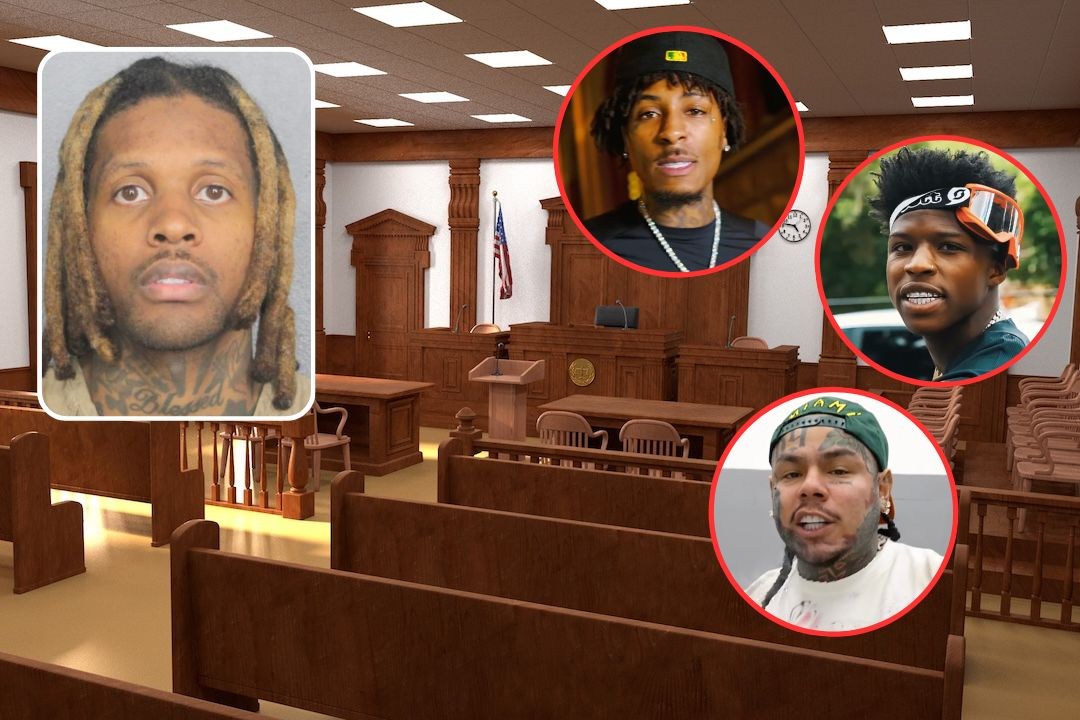
Late nights in the studio can get real, but they just got a whole lot wilder. Lil Durk, known for his raw storytelling and fierce loyalty to his crew, has allegedly been caught with a so-called "Opp List." This is no ordinary top 10; it includes heavyweights like NBA YoungBoy, Quando Rondo, and even the controversial figure 6ix9ine. The mere mention of these names sends shockwaves through the culture, showing just how deep the rivalries run in the current Hip Hop landscape.
With the rise of social media and the internet being the new streets, nothing stays hidden for long. Fans are buzzing, dissecting every move on this chessboard of beef that Durk is playing on. The revelation of this list raises eyebrows and questions. Is this just a marketing ploy, a hint at new music, or something more sinister? In a genre that thrives on authenticity and real-life experiences, the notion that a rapper might maintain a list of rivals suggests the stakes are higher than ever.
In Hip Hop, beefs aren't just entertainment; they're often deeply personal and sometimes deadly serious. Durk's ongoing tension with YoungBoy and others has been simmering for a minute. Given their histories, it's not just a passing jab or a casual rivalry. This is about legacies, respect, and survival in an industry that doesn't forgive easily. When you throw someone like YoungBoy into the mix, you’re dealing with a force known for his unfiltered aggression and fiery responses. Their lyrical exchanges have been electrifying, and this list just adds more kindling to the fire.
The ramifications of this situation extend far beyond rap bars. This isn't merely an artist's personal views; it taps into a broader narrative about community, conflict, and the cycle of violence often associated with Hip Hop. These beefs shine a light on the complicated relationships between artists and how fame and success can blur the lines of friendship and rivalry. When Durk names his "Opps," he’s not just pulling names out of a hat. Each one comes with a backstory and a possible confrontation.
Durk's list could easily be interpreted as a call to action. By making it public, he might be signaling to his fans that he’s ready for whatever comes next, whether it's a diss track or a physical confrontation. The fact that these names carry weight in the game means he’s deliberately stepping into a ring filled with dangers. It’s a bold move that could either solidify his position or spark further chaos.
This isn’t the first time we've seen such lists pop up in Hip Hop. Remember when 2Pac had his infamous beefs or when Biggie was labeled with the “East Coast vs. West Coast” narrative? There’s a long history of rappers marking their territory and laying out their opposition. In many ways, Durk is following in those footsteps,except now it's playing out for millions to see on social media. The stakes are not just personal but very much public, with fans everywhere weighing in.
However, there’s a certain irony in using a list to denote “Opps” in a genre that prides itself on authenticity. Durk could be viewed as both a product of his environment and someone who helps perpetuate it. By vocalizing these rivalries, does he embolden violence, or is he merely reflecting the reality that surrounds him? With many fans longing for unity and peace in the culture, one must wonder if this list serves as a distraction from the real issues at hand, such as the struggles many artists face in their daily lives.
Furthermore, the racial and systemic issues tied to this narrative can't be ignored. African American artists have historically been scrutinized for their portrayals of conflict, and when a figure like Durk makes a list like this, it can perpetuate negative stereotypes. The industry has a long history of exploiting the chaos among Black artists for profit, leaving communities to deal with the fallout. This dynamic raises essential questions about the responsibility artists hold and how they leverage their platforms.
In a time when genuine connections and support within the community are needed more than ever, a list like this can seem counterproductive. For every track that celebrates success and upliftment, there's a response that fuels the fire. Durk may be positioning himself as a leader, but he’s also walking a tightrope between authenticity and toxicity, a balance that can easily tip either way.
As the streets watch closely, the reactions to this list will be telling. Will it provoke diss tracks or heated exchanges? Will YoungBoy respond with his signature ferocity? Fans are already primed for more drama, ready to dissect each line and every tweet. This is the nature of Hip Hop today,a blend of entertainment, confrontation, and artistry that keeps the culture alive.
Ultimately, what happens next is anyone’s guess. Durk's "Opp List" could lead to a new wave of music that encapsulates this tension or spiral into something uglier that perpetuates the cycle of conflict in Hip Hop. Whatever the outcome, the culture will feel the ripple effects. Fans and artists alike must grapple with what it means to engage in such rivalries and how they shape the future of the genre.
One thing is certain: the culture thrives on these moments of tension, reflection, and raw honesty. As the story unfolds, everyone needs to stay tuned because the next chapter in this saga is just around the corner. Whether it’s about healing or heightening the stakes, it's time to pay attention and reflect on what this all means for the evolution of Hip Hop.