Stedman Bailey's Latest Arrest: What It Tells Us About the Struggles of Black Athletes Post-NFL
By DeShawn Price, PowerVault Staff On a humid night in Pembroke Pines, Florida, the clamor of arcade machines mixes with muted laughter, but the scene suddenly shifts when reality breaks in. A former NFL wide receiver...
By DeShawn Price, PowerVault Staff
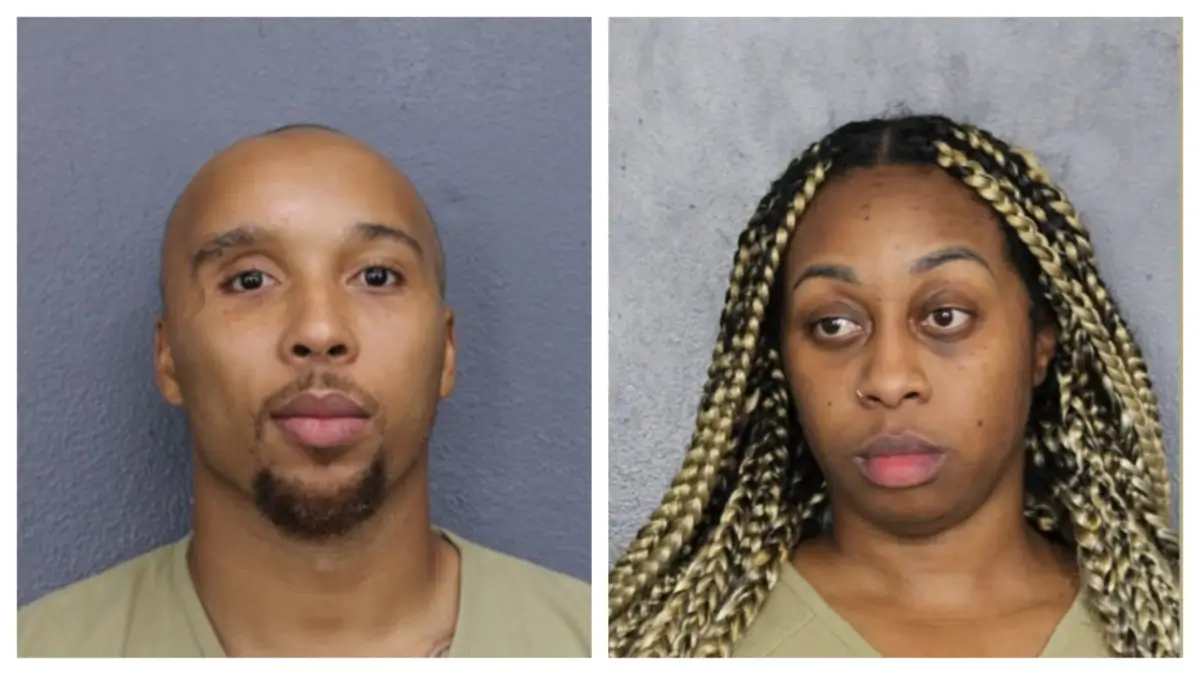
On a humid night in Pembroke Pines, Florida, the clamor of arcade machines mixes with muted laughter, but the scene suddenly shifts when reality breaks in. A former NFL wide receiver is in the spotlight for all the wrong reasons. Stedman Bailey, known for his time with the Rams, finds himself arrested alongside a woman after witnesses claim they were engaged in a public act of indecency. It’s a jarring narrative, but for Bailey,whose career was derailed by gun violence,it’s just another chapter in an ongoing saga that reflects broader issues faced by Black athletes in America.
It’s hard not to feel a sense of frustration when reading Bailey's story. Once brimming with potential, Bailey's NFL journey took a catastrophic turn after he was shot in the head twice in 2015. His comeback attempts, full of grit and determination, have been overshadowed by his past and now, yet again, by this latest incident. The juxtaposition of his tragic experience with the subsequent charges against him highlights how fragile the perception of Black athletes can be. Bailey was already fighting against the odds to reclaim his narrative, and this arrest complicates that struggle.
This isn’t merely a tale of a young man making poor choices; it’s an exploration of how society views Black men, particularly those who once donned the mantle of success. The moment Bailey was arrested for alleged lewdness, he became fodder for ridicule and judgment, a narrative that plays out far too often for Black athletes. The public’s perception can shift dramatically from admiration and respect to scandal and shame, especially when missteps occur outside the sports arena.
Authoritative voices in sports and culture often fail to connect the dots between the pressures of fame and the systemic issues that plague many Black athletes. While Bailey’s choice to engage in public behavior raises eyebrows, one must ask: What drives a man who has faced life-threatening circumstances to act out in such a manner? It’s more than a reflection of character; it’s an indictment of support systems,or the glaring lack thereof. After overcoming a life-altering setback, where was the guidance to help him navigate his newfound freedom and identity post-football?
For many Black athletes, the transition from the limelight of professional sports to everyday life can be jarring. They are often thrust into a world that demands they continue to perform at a high level without addressing the psychological scars left by both their experiences on the field and in society. The societal expectations placed on them can feel suffocating. Bailey's arrest is just another example of someone caught in that whirlwind, struggling to maintain dignity while grappling with a past that won't let go.
The incident at the arcade bar might seem trivial to some but represents a larger narrative about the scrutiny Black men face. It's a reminder that any wrongdoing is amplified, becoming a reflection of their community rather than an isolated incident. The societal lens often fails to see the complexities of the individual; rather, it distills their existence into simplified narratives that can be damaging. Bailey, like so many others, finds himself navigating this treacherous landscape where mistakes are not just personal failures but collective ones that can perpetuate stereotypes.
Moreover, the financial aspect cannot be ignored. In the world of sports, a career can be abruptly ended, leaving players to reconfigure their lives without the financial stability they once enjoyed. Bailey, who has spoken openly about attempting to make a strong comeback against all odds, must now contend with the ramifications of this latest legal trouble. The cost of a legal battle could weigh heavily on his finances and future opportunities, potentially reinforcing negative stereotypes about financial literacy in the Black community. The prevailing narrative that Black athletes are either reckless or incapable of managing their finances is perpetuated by these incidents, further entrenching systemic racism.
It’s important to contextualize what Bailey faces within the broader narrative of Black athletes. The pressure to succeed, to be exemplary, and to remain in the public’s good graces is immense. The consequences of falling from grace are often more pronounced for Black players than for their white counterparts, who often receive more leeway for similar transgressions. The media portrayal of their lives can skew heavily towards negative, painting a picture that ignores the daily challenges they navigate.
As Bailey’s story unfolds, it’s crucial to think critically about the systemic issues at play. What are the societal expectations we place on athletes? How can the sports community better support players transitioning out of the league? What does rehabilitation look like for someone who has faced trauma but is also subjected to the harsh realities of public scrutiny? These questions require honest dialogue and commitment to change.
Looking ahead, the sports industry and society must grapple with how to support former athletes like Bailey. The narrative surrounding Black men in sports must evolve; they deserve more than the fleeting spotlight of success or the harsh glare of scandal. It’s time to redefine what it means to be a Black athlete in America, to champion resilience while providing pathways for rehabilitation and growth.
Stedman Bailey’s future remains uncertain, yet his story can ignite crucial conversations about accountability, support, and the complexities of being a Black man in a predominantly white sports culture. It can serve as a catalyst for change, urging fans, influencers, and policymakers to reevaluate how they perceive and support athletes. Ultimately, it raises a challenge to us all: to understand that behind every headline is a human being navigating the complexities of life, often without the tools necessary to thrive.