Yella Beezy's Alleged Connection to Mo3's Murder: What It Means for Dallas Rap
By Tanya Brooks, PowerVault Staff The courtroom was heavy with tension, a palpable reminder of the darkness hanging over Dallas. When Detective Eric Barnes stepped up to the stand, whispers darted through the room lik...
By Tanya Brooks, PowerVault Staff
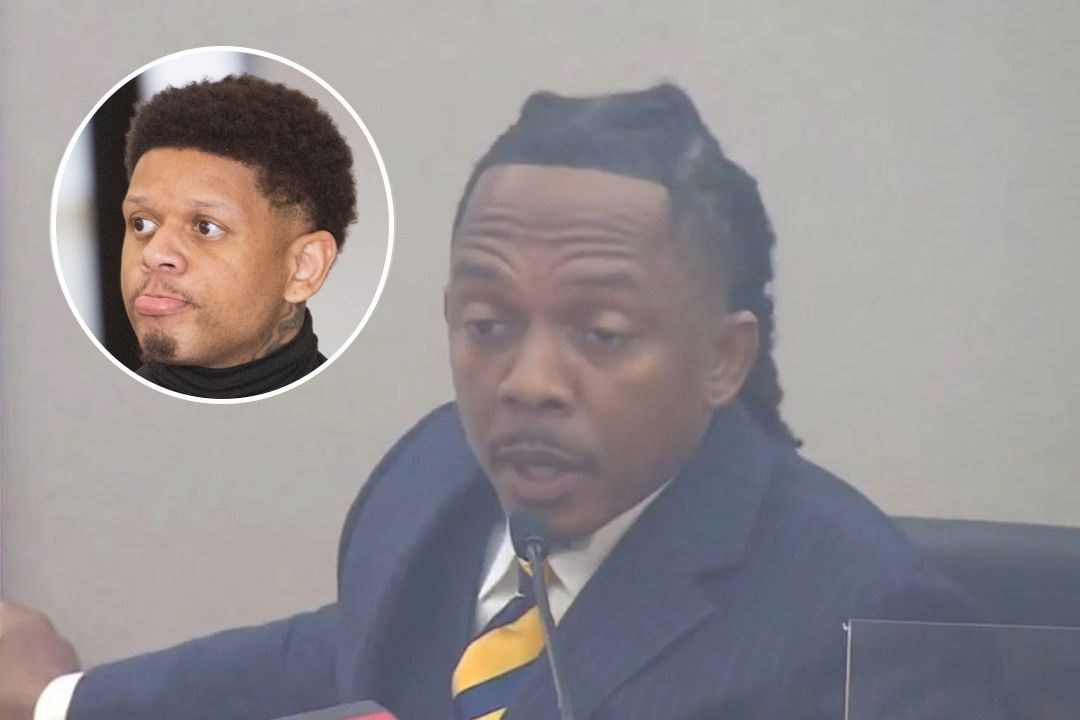
The courtroom was heavy with tension, a palpable reminder of the darkness hanging over Dallas. When Detective Eric Barnes stepped up to the stand, whispers darted through the room like stray bullets. The case was already tragic, but Barnes' revelations added a chilling layer to the story of Mo3, a rapper cut down too soon. In explosive testimony, the detective alleged that Yella Beezy, another prominent figure in the Dallas rap scene, had financially backed the hit on Mo3. This is a wild twist in a saga that touches on the core of rap's often tumultuous relationship with violence and betrayal.
Mo3 was known for his raw talent and ability to reflect the struggles of his community in his music. His untimely passing in November 2020 sent shockwaves through the hip-hop world, igniting a firestorm of speculation and theories. Now, as Kewon White stands trial accused of being the trigger man, the courtroom drama hints at even deeper veins of conflict within the Dallas rap scene. The allegation that Yella Beezy allegedly paid for Mo3's murder shifts the narrative from one of rivalry to something much darker,pre-meditated betrayal.
For those who don’t know, Yella Beezy and Mo3 were not just colleagues in the industry; they were part of a generation of artists trying to shape Dallas into a rap hub. But here lies the crux of it: even within a community striving for greatness, the streets can be treacherous. This scenario resonates not just in Dallas, but across the entire hip-hop landscape, where personal beef can spiral dangerously out of control. As Barnes recounted the details, the room seemed to breathe in a collective gasp, the weight of the accusations hanging thick with implications.
Yella Beezy has long been celebrated in the industry, known for his infectious hooks and charismatic flow. But if these allegations hold any truth, it tarnishes not just his reputation, but the entire Dallas rap scene. It raises questions about the lengths to which artists will go to protect their status. The culture is riddled with stories of friends turning into foes, but rarely do we see such brazen financial motivations behind these betrayals. It begs the question: how much is loyalty worth in a world where the stakes are life and death?
The dynamics of the hip-hop industry often blur lines between friendship and rivalry. In this case, what could have been a collaborative effort to uplift one another devolved into something sinister. The culture has seen this play out in various ways, from the East Coast-West Coast beefs to the bitter feuds between artists like Drake and Pusha T. But in the realm of life and death, the stakes feel alarmingly high. The question isn’t just about what happened to Mo3; it’s about the impact this has on the next generation of rappers growing up in a world where such violence is becoming more commonplace.
As this trial unfolds, the implications reach beyond the courtroom walls. It’s a reflection of a systemic issue that rap culture has dealt with since its inception. The glorification of street credibility often intersects dangerously with financial gain, leading to a culture where loyalty is compromised. The role of social media in amplifying these situations can’t be ignored either; platforms like Twitter and Instagram allow for instant communication, but they also fuel the fire of rivalry. The dramatic unfolding of this case has captured the attention of many, and it will be interesting to see how it shapes conversations moving forward.
In this moment, it’s crucial for fans and industry players alike to pause. This isn’t just another headline,it's a reflection of deeper societal issues, including the lack of resources and support systems for artists in the community. How do we move past glorifying violence in music, and instead uplift stories that promote unity and collaboration? This could be a wake-up call, not just for the artists involved but for everyone who loves the culture.
Yella Beezy’s response to these serious allegations will be pivotal. Will he deny everything, or will we see a shift where accountability takes precedence over street cred? Given the public nature of the trial, every detail will be scrutinized, and the culture will be holding its breath to see how this plays out. This case could either reinforce stereotypes about hip-hop artists or serve as a turning point for change within the community.
As the trial continues, fans and critics alike must be vigilant. There’s a unique opportunity here to engage in meaningful dialogue about the narratives we promote within hip-hop. This isn’t about sensationalizing violence; it’s about understanding the roots of these issues and coming together to fight against them. We owe it to Mo3 and everyone touched by this tragedy to ensure that his legacy inspires change, rather than more cycles of violence.
The fact that these allegations are surfacing now is no coincidence. As hip-hop continues to grow in influence and commercial power, the pressure on artists to deliver authentic narratives increases. But authenticity should never come at the expense of life. The culture has lost too many talented voices to gun violence. This narrative of betrayal, if proven true, serves as a stark reminder of what can happen when ambition collides with personal vendettas.
Going forward, all eyes will be firmly fixed on the courtroom. What happens next could define not just the future for Yella Beezy and Kewon White, but for an entire city of artists trying to navigate their careers amid such chaos. Will Dallas emerge stronger, or will it continue to be plagued by the shadows of its past? We must challenge the status quo, demand accountability, and foster a community where artists can thrive free from the threat of violence. The time for change is now.