What’s the Status of All the Murdered Rappers’ Cases? Here’s the Real Deal
By Tanya Brooks, PowerVault Staff It’s a cold reality that looms over the hip-hop community like a dark cloud, the blood-soaked history of murdered rappers. Names like Tupac, Biggie, Nipsey Hussle, and most recently,...
By Tanya Brooks, PowerVault Staff
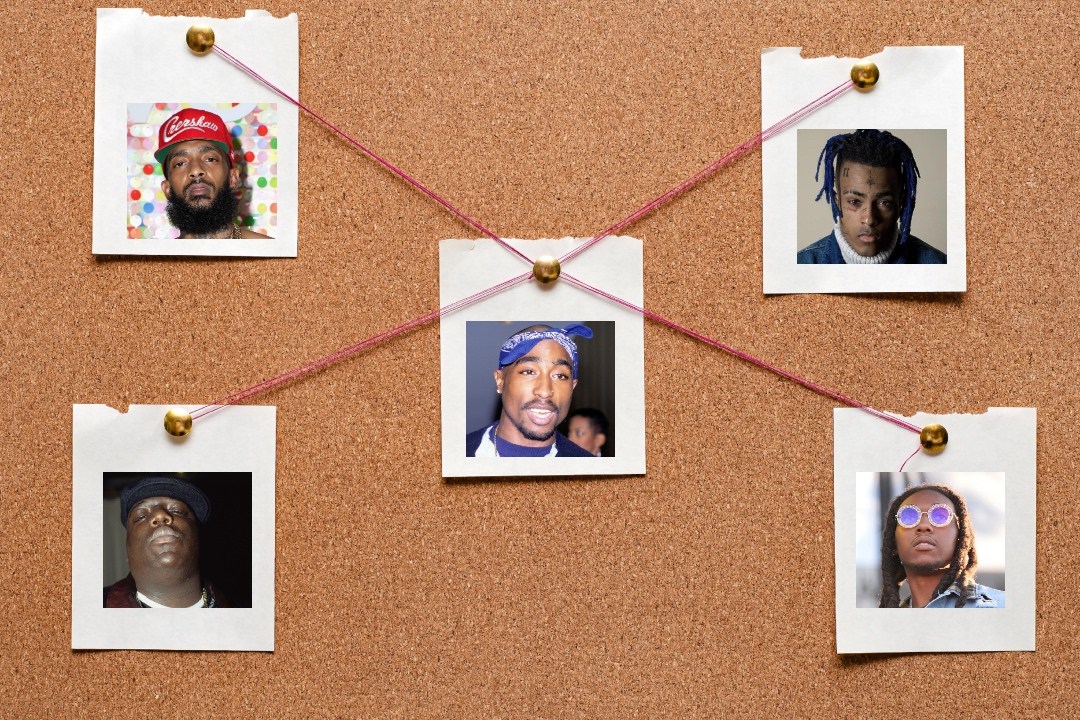
It’s a cold reality that looms over the hip-hop community like a dark cloud, the blood-soaked history of murdered rappers. Names like Tupac, Biggie, Nipsey Hussle, and most recently, PnB Rock linger in the air, reminders of the violence that can erupt in a life devoted to art. Each murder isn’t just a statistic; it’s a story filled with dreams unfulfilled, families shattered, and a culture left to grapple with grief while still creating. As the industry continues to thrive and evolve, far too many artists have been silenced before their time, leaving behind unresolved cases that often feel cold and distant.
When you dig deeper into the status of these cases, it’s a mix of frustration and injustice. In a recent piece by XXL, the ongoing investigations into the murders of several rappers were reviewed, highlighting not just the names we know but also the families desperately searching for answers. With some cases remaining unsolved for decades, it raises the question: why is the hip-hop community often left in the lurch? Why do the authorities seem to give up on these artists while their music continues to resonate and inspire?
Take the cases of Biggie and Tupac. Even today, decades after their tragic endings, the investigations feel like an endless loop. Theories abound, and while conspiracies ignite discussion, the real family members, fans, and friends of these icons suffer the most. Each year that passes feels like a slap in the face to their legacy. The truth remains elusive, buried in a mix of police negligence and potential corruption, leaving a bitter taste among fans who yearn for justice.
The murder of Nipsey Hussle sent shockwaves through the culture. He wasn’t just a rapper; he was a beacon of hope and an example of what could be accomplished through hard work and dedication. His case brought a brief moment of clarity as the community rallied to seek justice. However, it also sparked conversations about the reasons behind the violence that plagues the industry. Was it jealousy? Was it systemic issues deeply rooted in the communities these artists hail from? Or was it simply the tragic consequences of a life lived on the edge?
Fast forward to PnB Rock's untimely death in Los Angeles, which sent ripples of concern over the safety of artists, especially in urban areas. His murder feels painfully relevant, raising alarms about the culture that sometimes turns its back on its own. Social media lit up with outrage, and the conversations grew, but what’s truly being done to protect artists? It’s not just about the grief; it’s also about the systemic issues at play. The industry needs to step up, not just in mourning but in making tangible changes that ensure artists can walk freely without fear of violence.
It’s also essential to delve into the broader social dynamics at play. Hip-hop originated as a voice for the marginalized, the disenfranchised, a way to tell stories often overlooked by mainstream society. However, when these artists become victims of violence, it reveals the vulnerabilities that many face , struggling against not just rivalries in music but the very real dangers of their environments. Rappers are often caught between their success and the streets that once shaped them, and the industry tends to romanticize that struggle while neglecting the very real consequences.
We see the constant cycle: a rapper rises, gains fame, and soon enough, they become a target. It’s a narrative that repeats so often it feels almost scripted. The business side of hip-hop often turns a blind eye, focusing on profits while leaving the community to deal with the fallout. This disparity in how life is valued , particularly for Black men in America , brings an uncomfortable truth to the forefront. The industry profits off the lifestyle but fails to protect those who create it.
Hip-hop as a genre is deeply intertwined with the realities of street life, and while it tells compelling stories, it also often mirrors the violence that exists within those very streets. Artists find themselves glorifying elements of that life, but when it culminates in tragedy, the industry’s reaction is often muted. Fans are left with a mix of anger and sorrow as they watch their favorite artists lose their lives to the very violence they rapped about. What does it say about the culture when this becomes a norm?
The ongoing investigations into these cases, particularly with names like Juice WRLD and XXXTentacion still resonating with fans, remind us that there’s a deeper story to be told. Each case is not merely a headline; it’s a life cut short and a narrative that deserves closure. For the families left behind, the pain is not just amplified by the loss but by the ongoing fight for justice that often feels hopeless. The lack of closure contributes to a larger societal ill , how we value Black lives and the urgency with which we seek justice for them.
As we reflect on these tragic losses, it’s wise to ask ourselves how we can shift the narrative. How can we as a community push for accountability? There’s a need for artists, fans, and industry executives to come together. The fight for justice shouldn’t be relegated to hashtags or social media posts; it has to manifest in real ways that protect and uplift. We can no longer afford to be passive spectators in this culture; we need to demand better.
The future isn’t as bleak as it seems, especially with younger generations leading the charge for change. They’re vocal and unafraid to challenge the status quo. More artists are taking control of their narrative, advocating for safety, mental health, and standing against violence within the community. They’re using platforms to spark discussions about the importance of protecting one another and advocating for justice, becoming more than just entertainers but also activists.
As the cases of murdered rappers continue to haunt the industry, it’s crucial that fans remain engaged and demand action. The art form that we cherish needs to protect its own. Fighting for justice is also about fighting for the culture. It’s about ensuring that future generations can thrive without fear. Hip-hop has always been a beacon of resilience and creativity, and as it continues to evolve, the calls for justice and accountability should remain at the forefront. In a culture where life can change in an instant, let’s commit to ensuring that those who contribute to it are given their due respect and protection.