Lil Durk’s Defense Takes a Hit: Witness Lies and FBI Footage Shake the Case
By Malik Carter, PowerVault Staff The courtroom was tense, the air thick with anticipation. Lil Durk, the voice of Chicago’s streets, sat quietly, his demeanor cool but his mind racing. OTF was in the crosshairs, caug...
By Malik Carter, PowerVault Staff
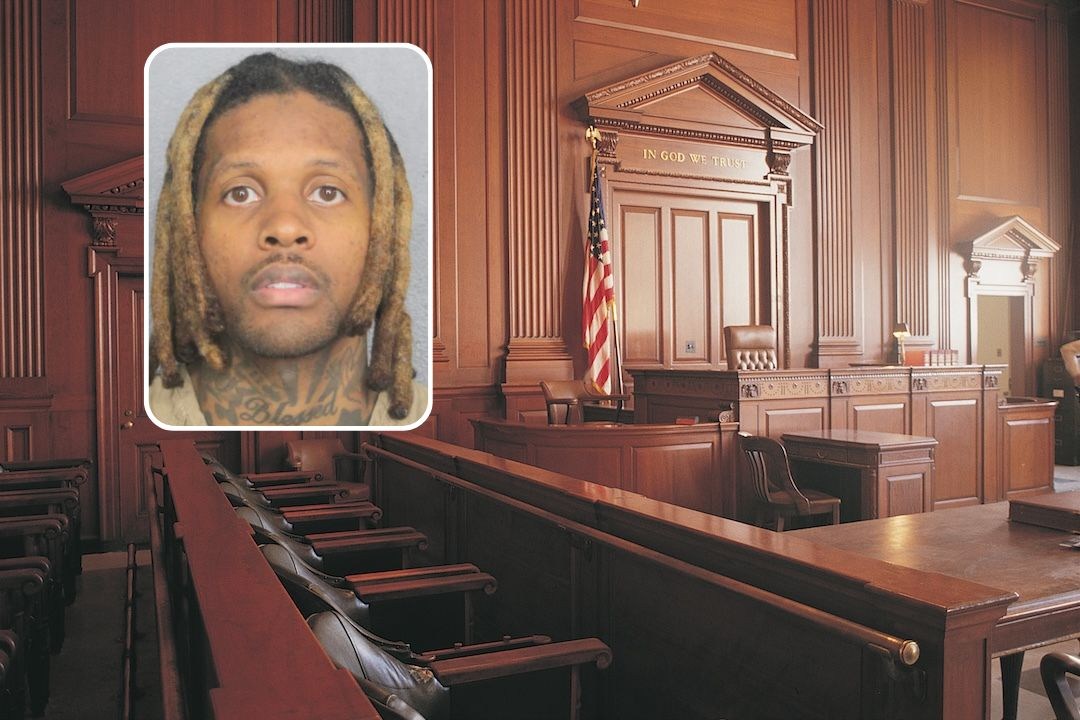
The courtroom was tense, the air thick with anticipation. Lil Durk, the voice of Chicago’s streets, sat quietly, his demeanor cool but his mind racing. OTF was in the crosshairs, caught in the whirlwind of legal troubles that have plagued the label. This time, it wasn’t just the usual barbs and beefs; this was a matter of freedom. Witnesses took the stand, and one ex-girlfriend’s testimony would become a focal point, turning the tide in a case that has all the makings of a classic rap saga. With the FBI arrest footage played in the courtroom, what happened next was nothing short of a bombshell.
As the defense laid out its case, the ex-girlfriend of OTF Jam,a key witness,found herself tangled in her own web of lies. Not the first time this has happened in high-profile cases, but it stings harder when it’s someone from the inner circle. The video shown by the prosecution, capturing FBI agents swooping in, painted a definitive picture that didn’t align with her claims. This isn’t just a battle for Durk’s reputation; it’s a reflection of the larger fight many in the industry face against a system that often sees them as guilty before proven innocent.
In a time when the stakes are higher than ever for artists, the courtroom scene was a stark reminder of the realities behind the rap game. It’s one thing to drop bars about hustling and street life; it’s another to live the repercussions that come with it. Lil Durk’s situation is emblematic of the broader struggles many artists endure, navigating legal pitfalls while trying to establish their legacies. As more witnesses come forward, the cracks in the prosecution’s case may widen, but the damage to OTF’s reputation is already done. How will this impact Durk’s image, considering he’s one of the genre's leading voices?
The fallout from this trial could mean a lot for the Chicago scene. Lil Durk isn’t just a rapper; he’s a figurehead for a generation. His narrative parallels those of countless artists caught in the gears of the justice system. For many, the allure of the streets and the traps of fame intertwine in ways that make it dangerous to navigate. This isn’t just about one man; this is about a community that feels the weight of systemic oppression. The culture’s relationship with law enforcement has long been fraught, and this trial is just another chapter in a lengthy saga.
The implications of the trial extend beyond the courtroom. It goes right to the heart of how the industry operates. The music world often romanticizes gangster culture, but when the lights dim and the cameras turn off, the consequences can be dire. The hip-hop community must ask itself hard questions about loyalty, truth, and survival. Artists are forced to become warriors, not just in the booth but in the courtroom too. It’s a duality that many aren’t prepared for, and the outcome of this trial could set a precedent for how future cases involving hip-hop figures are handled.
The social dynamics at play here are complex. Lil Durk, like many artists from similar backgrounds, deals with the stigma of being tied to violence and crime. The justice system frequently portrays rap artists as threats rather than as products of their environments. It’s a narrative crafted over decades, where Black men in particular are often seen through a lens of suspicion. The ex-girlfriend's lie is just another cog in this machine, a tale of betrayal that speaks to the profound impact of betrayal and loyalty within the culture.
If she was willing to lie, what does that say about the pressures surrounding this movement? The need for self-preservation often leads individuals to save themselves at the expense of others. As the industry evolves, so too do the dynamics of trust among artists, friends, and family. The stakes are high when a man like Durk, whose lyrics resonate with millions, stands on trial. His case could inspire others to find their voice or, conversely, reinforce fears about the hazards of speaking out in a world that already misunderstands them.
Looking ahead, the path for Lil Durk remains uncertain. As court dates approach and more details emerge, fans and followers will be watching closely. What happens next could shape not only his career but also the lives of those around him. Will the truth emerge, or will this become another cautionary tale of how the justice system preys on the vulnerable? For those in the hip-hop community, the pressure is on. Artists must navigate a landscape that feels more perilous with every new headline. They must continue to push boundaries while also protecting themselves from a system that seems less interested in justice than in punishment.
For those invested in this case, whether through the lens of entertainment or as part of the culture, the next steps are critical. The trial isn’t just about Lil Durk. It’s a reflection of broader societal issues,how race, culture, and the legal system intersect. Each headline carries weight, and each verdict will resonate far beyond the courtroom doors. As these proceedings unfold, the community must remain vigilant, questioning not just the narratives being presented but also how they can support their own. Hip-hop has always been about resilience. This is another test of that resilience, one that could redefine what it means to be an artist in today’s world.
