Afroman Faces Lawsuit from Ohio Cops Over Home Raid Footage in Music Video: Here's the Breakdown
By Renee Fontaine, PowerVault Staff It’s a bright day in Ohio, but for Afroman, the sun is shining a little too brightly on a police department that feels exposed. Picture it: the beloved rapper, known for his laid-ba...
Advertisement

By Renee Fontaine, PowerVault Staff
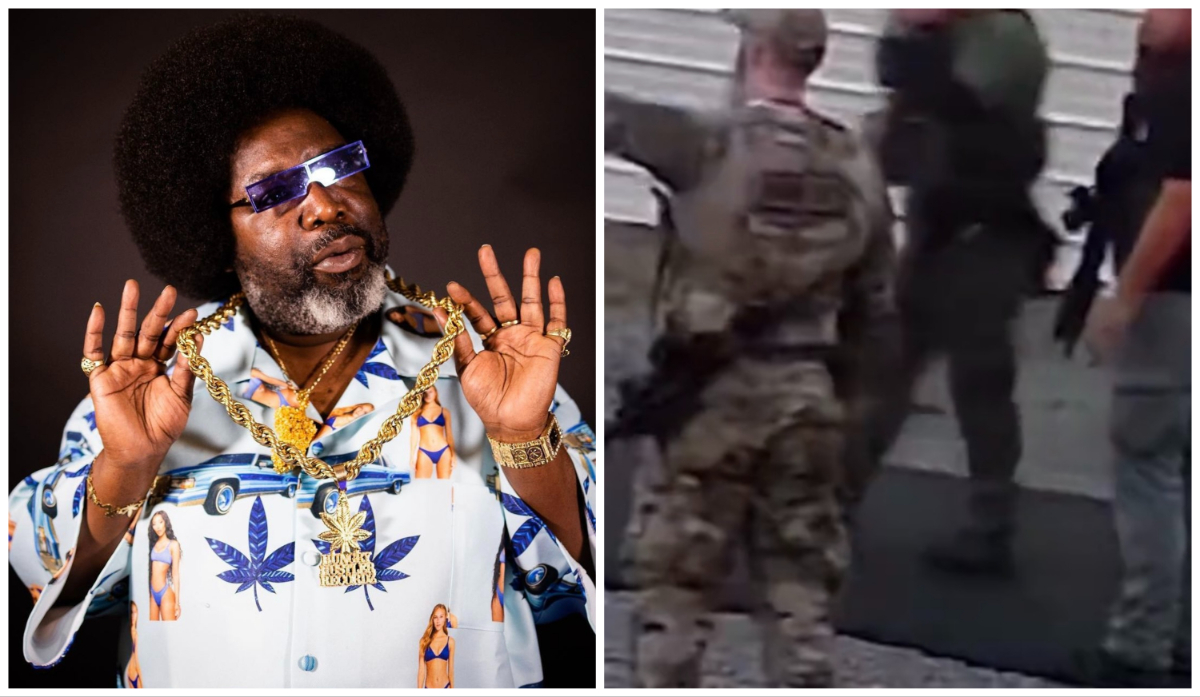
It’s a bright day in Ohio, but for Afroman, the sun is shining a little too brightly on a police department that feels exposed. Picture it: the beloved rapper, known for his laid-back vibe and the iconic hit 'Because I Got High,' has turned a traumatic experience into a moment of art , and now the Adams County Sheriff’s Office is suing him. The cops claim that his use of footage from a 'botched' 2022 home raid in his music videos has led to 'loss of reputation' and 'humiliation.' It’s a wild turn of events, and only Afroman could spark such drama from a home invasion.
In August 2022, while most of us were enjoying the last bits of summer, Afroman was dealing with a police raid that turned out to be more than just a misunderstanding. The authorities were looking for evidence connected to a crime, but in a classic case of 'wrong place, wrong time,' they got it all wrong. Afroman responded in true creative fashion , he took the footage and used it in his music, turning what could have been a moment of vulnerability into a source of empowerment. But instead of applause, he gets a lawsuit. Now, that’s a plot twist even Shonda Rhimes would envy.
These officers, stepping into the courtroom with their heads held high, are claiming that Afroman's portrayal of them in his music is detrimental to their reputation. But here’s the rub: how do you maintain credibility when you’re the one who botched a raid in front of the cameras?
This isn’t just another celebrity versus the law story; it’s a cultural commentary on how Black narratives are often twisted by those in power. Afroman’s decision to use the footage feels like a reclaiming of his narrative. When you look back at the cultural significance of artists using their art to speak on injustices, Afroman fits neatly into a long history of expression that challenges the status quo.
In an age where social media lets everyone be their own producer, artist, and storyteller, Afroman’s situation raises critical questions. Why should he, as a Black man, be silenced for telling his truth? Historical context matters here; this incident isn’t isolated. It reflects an ongoing struggle against systemic oppression and the silencing of Black voices. For decades, the media, law enforcement, and lawmakers have portrayed Black individuals in a negative light while trying to dictate how those same individuals should respond to their experiences. Weren’t we just celebrating the freedom to express ourselves?
What’s even more surprising is that these deputies are attempting to frame their case around 'humiliation.' Did they not think about the humiliation Afroman felt when they turned his home upside down? It’s a classic example of the double standard in play. Officers get to wield their power, and when their image takes a hit, it’s time to run to the courts. Meanwhile, Afroman gets to craft a narrative that pushes back against the shame of being a victim in this scenario. As he aptly stated, “If they can’t take a joke, they shouldn’t be in law enforcement.”
This lawsuit is also a reminder of how the legal system can sometimes act as a silencer for Black creatives. In the courtroom, the narrative can be twisted, making it easy for authorities to position themselves as the victim while deflecting the very real trauma they imposed. This case opens the door to discussions about accountability, artistic expression, and the lengths that public figures go to protect their reputations, especially when their actions fail to uphold public trust.
Beyond just Afroman and his situation, there’s a broader conversation about how Black artists navigate their careers in the wake of injustice. Historically, artists have used their crafts to flip pain into power. Think of artists like Nina Simone, who channeled the civil rights struggle into her music. Afroman’s choice to showcase this incident is akin to that legacy , it’s not just about him but about elevating the conversation around police misconduct and accountability.
And let’s not forget the role of humor in Black culture. Afroman isn’t just a rapper; he’s a storyteller, a satirist. By using humor, he breaks the tension and addresses heavy issues in a way that’s relatable and engaging. The very essence of his art is built on turning adversity into something that resonates. This is why the lawsuit feels so petty. The police are trying to stifle a voice that represents many who have faced similar struggles, and that’s a disservice to the very community they claim to protect.
Advertisement
But where does this leave Afroman? He’s proven time and again that his artistry is more than just music; it’s a platform for change and reflection. As this lawsuit unfolds, the public will watch closely. It’s likely that he will continue to create and innovate, possibly using this experience to fuel future projects. In the meantime, his resilience serves as a reminder that the law can’t silence creativity.
In the end, this legal battle raises an important challenge to the community: What happens when those in power overstep their boundaries? Afroman is pushing back, and in stepping into the light, he is not just defending his reputation but also spotlighting a broader issue about transparency and accountability in law enforcement. Let’s keep the conversation going and support the artists who dare to take a stand. The next chapter in this saga isn’t just about Afroman; it’s about all of us and how we tell our stories.