Angel Reese and Atlanta Dream: Why the WNBA Left Millions on the Table
By Jasmine Reed, PowerVault Staff Angel Reese's blockbuster move to the Atlanta Dream was one for the history books, but the WNBA’s failure to capitalize on its immense potential is a story that lays bare the league's...
Advertisement

By Jasmine Reed, PowerVault Staff
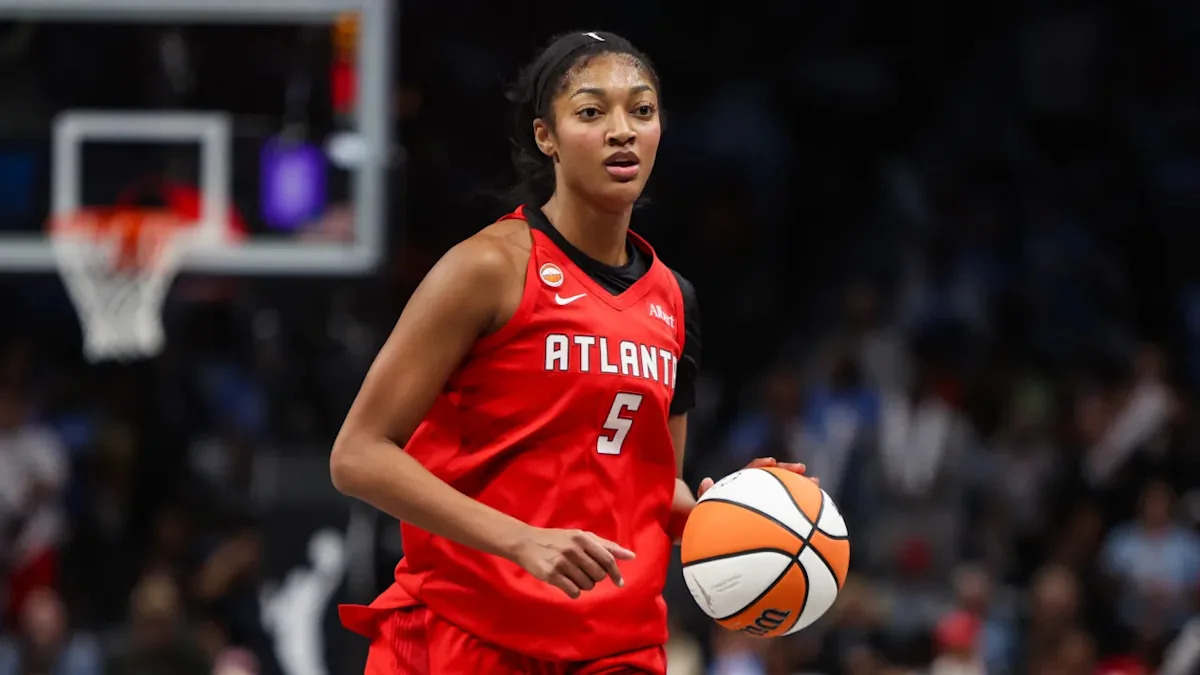
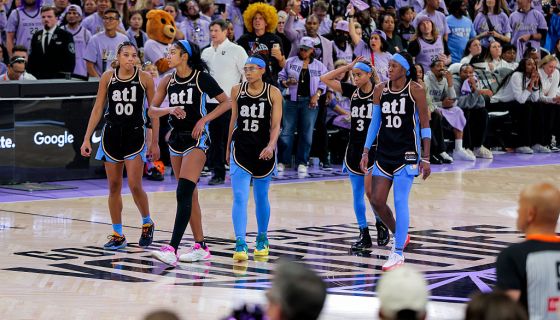
Angel Reese's blockbuster move to the Atlanta Dream was one for the history books, but the WNBA’s failure to capitalize on its immense potential is a story that lays bare the league's ongoing issues with valuing Black athletes. Reese's arrival in Atlanta was more than just a roster change; it was a turning point that could have redefined the league's narrative. Her presence was meant to be a new dawn, a chance for the WNBA to showcase one of its brightest stars to the world. Yet, despite the clear opportunity to elevate Reese as a global ambassador for the sport, the WNBA chose to sideline this opportunity, leaving millions in marketing revenue on the table and sidelining a moment that could have resonated far beyond the court.
According to a detailed report by NewsOne, the acquisition of Angel Reese from the Chicago Sky shook the WNBA scene. Her presence in Atlanta was instantly felt, driving a 15x spike in ticket demand, a franchise record that signaled her immense drawing power. Reese’s jerseys flew off the shelves, selling out within two hours, an unprecedented feat that highlighted her commercial appeal. This was more than just a transfer; it was a cultural moment that underscored the potential for the WNBA to leverage its Black talent on a global stage. This was a golden opportunity for the league to ride the wave of Reese’s influence and attract a broader audience, yet it was an opportunity that was largely ignored.
Despite Reese’s undeniable impact, the league’s executives opted to stick with traditional favorites, bypassing a golden opportunity to amplify her star. The question remains: why did they choose not to ride the wave of Reese’s immediate and explosive influence? The potential for advertising and broadcast deals was colossal, as Reese's star power had already proven to draw significant attention and revenue. Yet, the WNBA seemed more invested in maintaining its status quo, a decision that not only left money on the table but also ignored the shifting dynamics of sports marketing. By sticking to their old playbook, the league missed a chance to engage a new generation of fans who see Reese as more than just a player, but as a cultural icon.
In the YouTube video below, Reese's first game with the Dream is captured in all its glory, showcasing her prowess on the court and the electric energy she brought to the team. The footage highlights the intensity and skill that Reese brings to the hardwood, drawing comparisons to some of the greatest players in the sport. Her ability to dominate both ends of the floor is on full display, as she commands the game with a presence that is both formidable and inspiring. The energy in the arena was palpable, with fans and celebrities alike riveted by her performance. This video serves as proof of what Reese brings not just to the Dream, but to the entire league when given the spotlight she deserves.
The Atlanta Dream may have ended their season with a Finals loss, but the journey was emblematic of a narrative that had all the makings of a sports documentary. Throughout the season, the Dream showcased a blend of grit, talent, and determination that captivated their fanbase and beyond. Key performances and record-breaking games by Reese weren’t enough to grab the league’s top brass' attention, which remained fixed on predetermined narratives. Instead of recognizing the potential for a marketing bonanza, they stuck to scripts that ignored this dynamic shift. This oversight not only undervalued Reese's contributions but also missed out on telling a compelling story that could have expanded the league's reach and appeal.
This isn’t the first time the WNBA has failed to leverage the cultural capital of its Black athletes. One only needs to recall the era when legends like Lisa Leslie and Sheryl Swoopes dominated the courts with their talent and charisma, yet were often overshadowed by league narratives focused elsewhere. The pattern is clear, and it begs the question of whether the WNBA truly values the stars who build its brand. These women laid the foundation for the league's success, yet their contributions were frequently sidelined in favor of less controversial or more palatable narratives. For more on this historical oversight and its implications on the league's growth and legacy, check out this article.
It's a harsh reality that mirrors broader societal issues.
The WNBA's reluctance to embrace Angel Reese's market power reveals a broader discomfort with centering Black athletes.
The WNBA's reluctance to embrace Angel Reese's market power reveals a broader discomfort with centering Black athletes. By not capitalizing on Reese's draw, the league not only undervalues its most marketable stars but also sends a message that it is hesitant to move beyond its traditional safe zones. This decision doesn't just hurt the league's bottom line; it disrespects the fans who crave representation and excellence. It overlooks the unique opportunity to connect with a diverse audience and to redefine what success looks like in women's sports. By sidelining Reese, the league missed a chance to affirm its commitment to celebrating and elevating Black talent, which has been integral to its achievements.
For the players, this situation highlights a frustrating dynamic where immense personal achievements do not translate into equivalent professional recognition. Reese dominated on the court, earning Defensive Player of the Year and setting new records, yet she remained a background character in the league's broader storyline. This disparity between performance and recognition is all too familiar for Black athletes handling predominantly white spaces, where their contributions often go underappreciated. It's a reality faced not just in sports, but across industries, echoing the sentiment of Styles P's commentary on identity and corporate influence. In a league built on the brilliance of its Black players, failing to recognize and promote their achievements only perpetuates a system that marginalizes their contributions.
For the WNBA, and for professional sports at large, there lies a crucial lesson in fully embracing the power of Black athletes. The league has a chance to recalibrate its priorities, choosing to elevate the stories and achievements of players like Angel Reese. This is about more than just basketball; it's about recognizing value where it truly exists and seizing the opportunities that come with it. By tapping into the cultural resonance of its Black stars, the WNBA can redefine its brand and expand its reach. This moment calls for a reimagining of what the league stands for and who it represents, with an eye towards inclusivity and innovation.
Advertisement
Underneath this, the dynamics of race, class, and industry politics are undeniable. The WNBA's decisions reflect broader societal discomforts with Black excellence that challenge the old guard's comfort zones. Reese’s ability to draw massive crowds and commercial interest from a diverse fanbase challenges traditional industry narratives. Ignoring this is more than a business decision; it's a cultural stance that speaks to deeper issues of representation and equity. By failing to fully embrace Reese's potential, the league misses a chance to engage with the broader conversations around race and power that are reshaping the sports world. It’s a call to action for the WNBA to lead with courage and authenticity.
As we look ahead, the spotlight is on the WNBA to evolve and address these challenges head-on. Will the league rise to the occasion and honor the impact of players like Angel Reese, or will it continue to resist change, leaving talent untapped and potential growth unclaimed? The coming seasons will be telling, and the world is watching to see if the WNBA can truly become a league that champions all its stars. The challenge has been laid down, and the path forward requires a bold step away from the familiar and into the future. It is an opportunity for the league to redefine its legacy and demonstrate its commitment to being a true leader in professional sports.