Angelynn Mock Convicted: The Tragic Case of a News Anchor's Familial Betrayal
By Tanya Brooks, PowerVault Staff In a dark bedroom in Kansas, the shadows of Halloween night lingered longer than usual. Angelynn Mock, a former TV news anchor, quietly entered her mother’s room with a chilling purpo...
By Tanya Brooks, PowerVault Staff
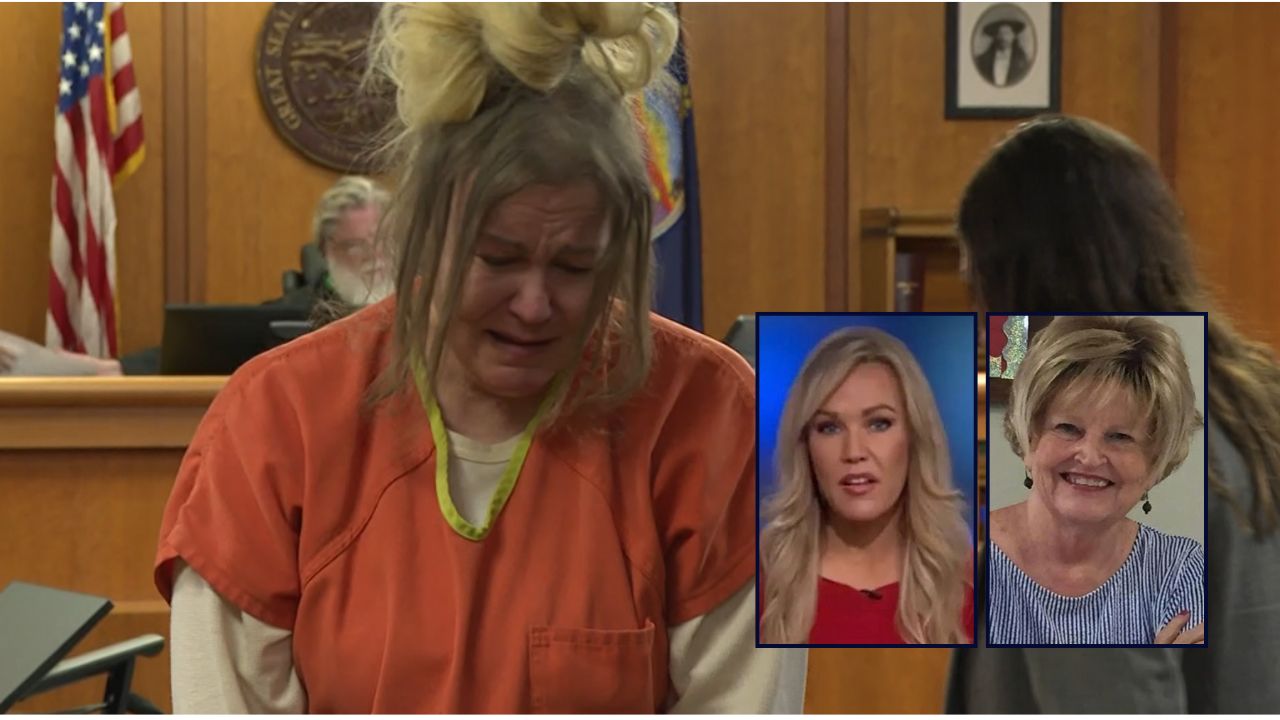
In a dark bedroom in Kansas, the shadows of Halloween night lingered longer than usual. Angelynn Mock, a former TV news anchor, quietly entered her mother’s room with a chilling purpose. The scene that unfolded was not a mystery novel but a heartbreaking reality. Angelynn, once the face of daily news, became the center of her own grim headline.
The shocking case of Angelynn Mock has captured the public’s attention, not merely for its sensational details but for its disturbing implications about mental health and family violence. This former anchor, who once delivered the day's most pressing stories, now faces decades in prison for murdering her own mother, Anita Avers, an 80-year-old therapist, in a brutal act of violence.
The early hours of November 1st, 2026, will forever be marked in the annals of Kansas crime reports. Angelynn Mock enacted a lethal betrayal against a woman who had not only brought her into the world but had also dedicated her life to helping others as a therapist. Reports from Law and Crime detail the gruesome aftermath, with Mock allegedly claiming she acted in self-defense, a narrative the jury ultimately found unconvincing.
This harrowing episode begs the question: How does someone transition from trusted news anchor to convicted murderer? In examining this case, we need to dig deeper into the societal pressures and hidden mental health struggles that often go unnoticed until it’s too late.
In today's media scene, the line between public persona and private turmoil can blur disastrously. Angelynn's story is sadly not unique. It evokes echoes from similar cases, like the South Carolina hate crime conviction of Jonathan Felkel, where underlying issues erupted into public violence. The systemic failures in addressing mental health, particularly within families, become painfully apparent. Did anyone see the warning signs? If they did, why was nothing done?
The video below captures the courtroom scene that set the timeline ablaze. It's a keen reminder of how quickly life can unravel.
Throughout the trial, evidence emerged painting a portrait of a fractured relationship between mother and daughter. Angelynn’s claims of self-defense were met with skepticism, especially in light of the meticulous planning the prosecution argued was involved. Mock's defense crumbled under the weight of forensic evidence and a motive that seemed far from self-preservation.
Mental health, or the lack thereof, is a critical element here. According to the City of Wichita’s official statement, Anita Avers was not just a mother but a seasoned therapist. It raises a disturbing irony, how could someone so versed in the human psyche fail to detect the growing storm within her own daughter?
As the trial progressed, the public grappled with mixed emotions. On one side, there was empathy for Angelynn’s mental health struggles. On the other, there was unequivocal condemnation for her actions. The courtroom became a stage not only for legal arguments but also for broader societal discussions about mental health awareness and familial relationships.
This case forces us to confront the uncomfortable truth: our mental health system often fails to intervene until it’s too late.
Angelynn's story is just one among many that highlight the need for systemic change. The intersections of mental health, family dynamics, and crime are complex and often overlooked until tragedy strikes. The conversation emerging from this case parallels discussions about broader social issues, such as those highlighted in Jaimie Bethea's tragic story, where neglecting mental health had devastating effects.
The video below offers another perspective on the case, providing insight into the court's final verdict and the reactions that followed.
On a cultural level, the Mock case shows a critical discourse about the pressures faced by public figures like Angelynn. The façade of success can sometimes mask deeper issues, a theme recurrent in stories from across society and entertainment. Just as the rumors surrounding Drake's career decisions remind us of the ever-watchful public eye, Angelynn's fall from grace emphasizes how public scrutiny and personal demons can collide with tragic results.
As the dust settles from the trial, one question looms large: what steps can we take to prevent future tragedies like this? For starters, improving access to mental health resources and establishing a robust support system for those in high-pressure roles could make a significant difference. Moreover, family counseling should be made accessible and de-stigmatized to help identify and address deep-seated issues before they escalate.
In the wake of her conviction, Angelynn Mock’s story serves as a cautionary tale. As a society, the responsibility lies in lifting the veil on mental health and family dynamics, advocating for systemic changes that ensure support is available long before desperation dictates action. The journey towards healing and prevention is long, but it's a path we must tread together.