Anthony Mackie on 2Pac: Why Fans See Different Versions
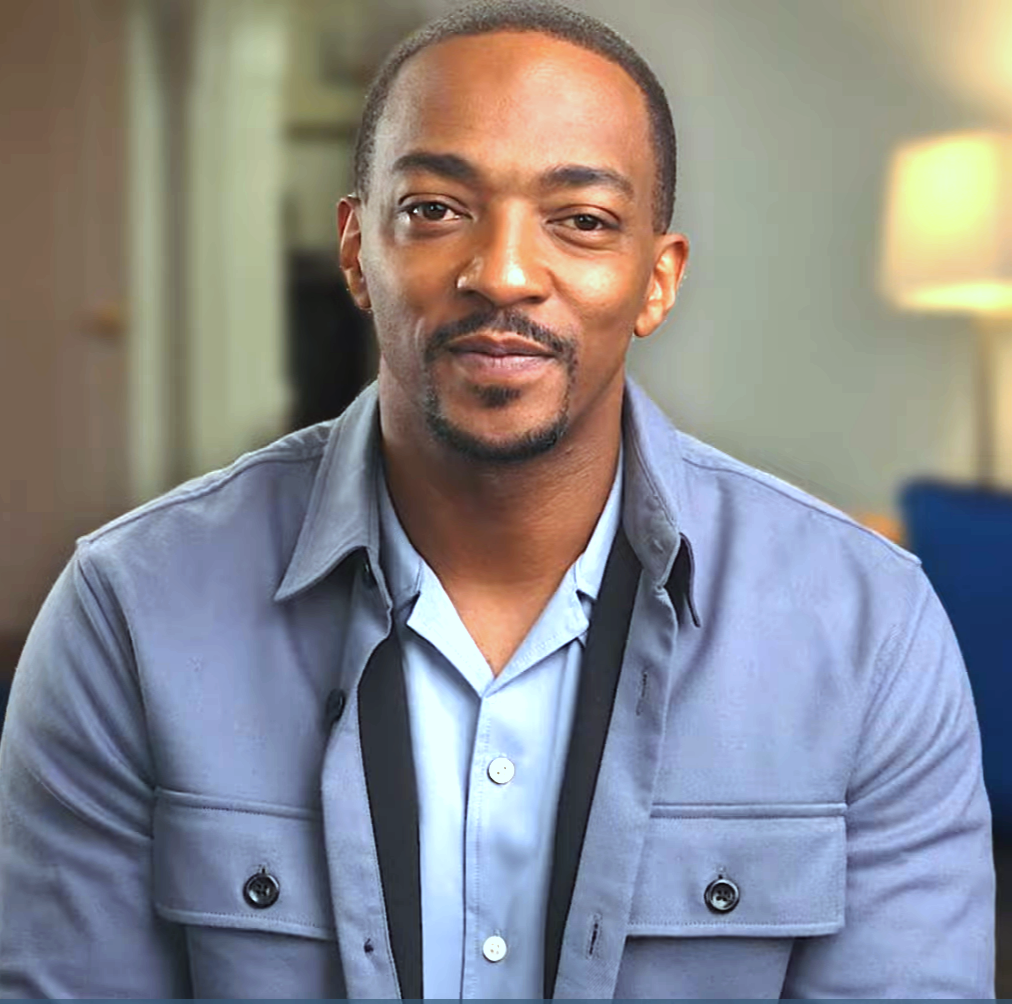
By DeShawn Price, PowerVault Staff Anthony Mackie says 2Pac lived in three different realities, which is why no actor can play him to every fan’s satisfaction. Mackie has had two chances to try. His point lands becaus...
Advertisement

By DeShawn Price, PowerVault Staff
Anthony Mackie says 2Pac lived in three different realities, which is why no actor can play him to every fan’s satisfaction. Mackie has had two chances to try. His point lands because it takes a familiar argument about casting and flips it back on the audience. When somebody says an actor didn’t get Pac right, which Pac are they grading him against?
Mackie played Tupac Shakur onstage in 2001 in Up Against the Wind, then again in the 2009 musical biopic Notorious, directed by George Tillman Jr.On Film... With Kevin McCarthy. Those credits give Mackie a useful vantage point. One production put Shakur at the center. The other asked Mackie to play him inside somebody else’s story.
Mackie put Shakur in the same company as Elvis, Bob Marley and Muhammad Ali when he explained his three realities. There’s the person people actually meet. There’s the public figure shaped by what gets written and said about him. Then there’s the version a fan builds out of the records, interviews and stories that reached them. Mackie lays out that distinction around the 21 minute mark in the interview below.
The interview gets especially good when Mackie puts two song titles next to each other. His introduction to 2Pac was “Brenda’s Got a Baby.” Another listener might have met him through “Hit ’Em Up.” “Those are two very different people,” Mackie said. One record asks the listener to pay attention to a girl in crisis. The other is a diss record aimed squarely at rivals. Both are Pac. Neither needs to be declared the original and the other a costume.
Afeni Shakur had a more direct basis for judging Mackie’s work. Mackie recalled that she saw him in Up Against the Wind and later handpicked him to play her son in Notorious. He had wanted to work as the director’s assistant on the movie. That detail gives the casting story some texture. Mackie was looking for a place behind the camera, and Afeni remembered what he had already done in front of an audience.
Afeni’s choice deserves its own weight. She had seen an actual performance, not a headshot next to a photo of her son. That doesn’t mean she signed off on every choice the movie would make, and Mackie’s account doesn’t say that she did. What it does show is a mother exercising judgment over who would play her son. That’s more telling than any debate about who looked most like him.
The song comparison also gets at why genre can be such a lazy shortcut for talking about a person. PVN’s coverage of Fivio Foreign and Kirk Franklin talking faith beyond drill offers another way into that conversation. If there’s room for faith in a conversation about drill, there’s room for care and confrontation on the same rapper’s records. The listener doesn’t have to pick a side like there’s a vote coming.
A record can tell the truth about your life without telling you everything about the person who made it.
The industry has a choice here, too. A biopic has limited time, and a famous feud can tell viewers where they are in seconds. But when a Black artist’s anger does all the work of making him recognizable, the people selling the story get a shortcut and the artist loses range. A stronger film has room for a scene that reveals character even if nobody can cut it into a trailer and sell it as a showdown.
Fans have a different kind of responsibility. A record can tell the truth about your life without telling you everything about the person who made it. That distinction protects something good about being a fan. The song still belongs in the story of how somebody got through a hard year or learned to hear the people around them. It just doesn’t give that listener the final word on Shakur.
Netflix’s four part special The Tupac Tapes with Angie Martinez puts that distinction to work by revisiting part of Martinez’s 1996 interview with Shakur. He takes aim at The Notorious B.I.G., Diddy and Mobb Deep in the conversation. The tape gives viewers a chance to hear him speak for himself in that moment. It doesn’t make his account the last word on the people he talks about. A microphone can preserve what was said without settling whether it was true.
Martinez has said she feared releasing the full interview back then could lead to more violence. That gives the interviewer a role beyond being the person who happened to have the tape. What gets aired, and when, is an editorial decision with consequences. PVN asked a related question in its coverage of SZA on where coverage of Chrisean Rock’s son should stop. Having material that will draw attention still leaves the question of who might pay for airing it.
Advertisement
The next time a Pac scene or interview excerpt lands in the group chat, give it one more question before calling it definitive: What does this show that the last one didn’t? That question makes room for the actor’s craft, the interviewer’s choices and the song somebody else heard first. The first Pac a fan met can still be their favorite without getting the only speaking part.
More from PowerVault Network: