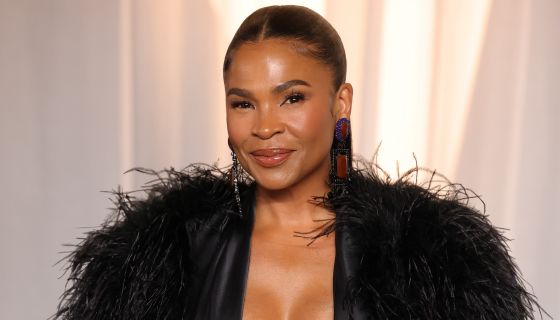
Anweih Cox's Senate Island USA: The Midterms Meet Reality TV
By Simone Walker, PowerVault Staff Anweih Cox is bringing a playful yet innovative twist to the 2026 midterm elections by taking inspiration from the wildly popular reality show Love Island USA. Her brainchild, Senate...

Advertisement

By Simone Walker, PowerVault Staff
Anweih Cox is bringing a playful yet innovative twist to the 2026 midterm elections by taking inspiration from the wildly popular reality show Love Island USA. Her brainchild, Senate Island USA, is a creative platform that reimagines Senate candidates as 'islanders' vying for votes. By inviting Gen Z to engage with the political process in a way that feels more like a dating show than a civics lesson, Cox is tapping into the cultural zeitgeist. The goal is to get young voters to explore political compatibility just as they would explore romantic connections on their favorite reality TV show. This imaginative approach seeks to transform the often dry and daunting task of learning about candidates and issues into an exciting and relatable experience.
Cox, a visionary from Chicago, launched Senate Island USA after being inspired by the phenomenal success of the Love Island USA mobile app, which captivated millions and even experienced technical crashes due to its overwhelming popularity. According to WAPT, these app crashes illuminated a path for Cox to engage younger voters using a format they already love and understand. Recognizing this cultural moment, she decided to harness its energy to create a similarly interactive and engaging platform. Rather than focusing on romantic matches, Senate Island USA encourages users to get into political compatibility, allowing them to connect with candidates who align with their values and priorities. This innovative approach aims to translate the addictive nature of reality TV into a meaningful civic engagement tool.
Senate Island USA offers users a dynamic experience, allowing them to dive into candidate profiles, participate in daily polls, and eagerly anticipate what Cox cleverly calls 'the recoupling,' a playful reference to Love Island's dramatic pairings. The platform spotlights notable candidates, including Sen. Cindy Hyde-Smith, Scott Collom, and Ty Pinkins, transforming them into relatable 'islanders' who need voter support to 'stay in the villa.' Cox has crafted a virtual environment where voters meet these candidates, learn about their positions, and decide who should get their vote. The viral video below showcases how Cox's innovative concept all comes together, blending entertainment with political education in a way that feels fresh and exciting.
The design of the Senate Island USA website is as captivating as its concept, featuring ocean-blue backdrops and vibrant pink buttons that draw users into a villa-themed navigation experience. This visually engaging setup invites visitors to choose their state and explore connections with candidates based on their stances on pressing issues. Cox’s vision was to transform complex political information into easily digestible content that feels as approachable as a favorite TV show. Her goal is to demystify the political scene, making it accessible and enjoyable for a generation accustomed to quick, engaging content. The platform’s design and user interface are intentionally crafted to make the journey through political information seamless and enjoyable.
Senate Island USA is far more than a playful gimmick; it's a strategic move towards making political information accessible and appealing to a generation that thrives on digital interaction and entertainment. As Cox explained to WAPT, her approach is a groundbreaking take on political engagement, designed to capture the interest of a demographic often perceived as politically disengaged. By blending elements of pop culture with civic education, she aims to create a platform that not only informs but also excites young voters. This reimagining of voter outreach challenges the status quo, offering a fresh perspective on how to engage a tech-savvy audience in meaningful political discourse.
Historically, engaging young voters has been a persistent challenge in the United States. The U.S. Census Bureau reported that in the 2018 midterms, a mere 36% of eligible voters aged 18-29 turned out at the polls. Despite numerous initiatives aimed at boosting engagement, this age group has consistently shown low voter participation rates. However, the key to changing this trend may lie in shifting how political engagement is presented. By reframing the appeal of political participation, platforms like Senate Island USA could offer a more resonant and impactful way to capture the attention of young voters. This could lead to increased participation, as the traditional barriers to engagement are dismantled in favor of a more inclusive and dynamic approach.
Anweih Cox's venture is a prime example of how cultural phenomena can be leveraged to inspire civic duty. By borrowing the language of entertainment, Cox is flipping the script on how we approach civic participation.
By borrowing the language of entertainment, Cox is flipping the script on how we approach civic participation.
Senate Island USA has the potential to revolutionize how political campaigns engage with young voters. If Cox's model proves successful, it might set a new standard for campaigns, encouraging them to merge pop culture with civic education to better reach the digital native demographic. This strategy could usher in a new era where politics becomes as engaging as the latest meme or viral video. By tapping into the fast-paced, meme-driven world of social media, campaigns can create a dialogue that resonates with young voters, making them feel seen and heard in the political process. This shift could redefine how political engagement is approached in the digital age.
The platform sends a loud and clear message to political candidates: the future of winning over the next generation lies in meeting them on their turf. Traditional advertisements alone won't cut it; today's young voters are looking for engagement that fits seamlessly into their digital lives. This shift reflects a broader industry trend of weaving politics into spaces traditionally reserved for leisure and entertainment. By embracing this integration, candidates can connect with voters in a more authentic and impactful way, ensuring that political discourse is as accessible and engaging as the content young people already consume daily.
For Gen Z and millennials, Senate Island USA offers a distinctive opportunity to engage with politics in a way that feels both familiar and thrilling. By presenting political engagement in a format akin to their favorite reality shows, Cox is challenging traditional perceptions of voter outreach. Her innovative approach resonates with those who might otherwise remain disengaged, encouraging them to become active participants in the democratic process. By meeting young voters where they are and speaking their language, Cox is not just innovating political engagement; she is redefining it. Her compelling message to potential voters is proof of the power of creative, culturally relevant civic education.
Beneath this innovation lies a profound narrative about race and representation. By energizing a diverse and youthful demographic, Senate Island USA amplifies voices that have often been marginalized in political discourse. Cox's initiative is not just about increasing voter turnout; it's about ensuring that young Black voters and other minorities are heard and represented in the political arena. By leveraging the cultural language of entertainment, Cox is empowering these communities to actively participate in shaping their futures, making sure that their concerns and perspectives are part of the national conversation.
Advertisement
As we approach the midterm elections, the spotlight will be on the effectiveness of platforms like Senate Island USA in boosting voter turnout. Anweih Cox's innovation could very well serve as a blueprint for future electoral engagement, challenging the traditional methods of reaching voters. Whether it proves to be a fleeting trend or the start of a new chapter in voter participation, it compels us to reconsider how we engage with democracy in our increasingly digital world. Cox's initiative is a bold step forward, inviting us to explore new possibilities in the intersection of culture and civic duty.
More from PowerVault Network: