
Big30 Denies Involvement in Gucci Mane Kidnapping: The Real Story Behind the Allegations
By Simone Walker, PowerVault Staff Big30 is standing firm, denying any involvement in a sensational case that has grabbed headlines: the alleged robbery and kidnapping of hip hop heavyweight Gucci Mane. The Memphis ra...
Advertisement
By Simone Walker, PowerVault Staff
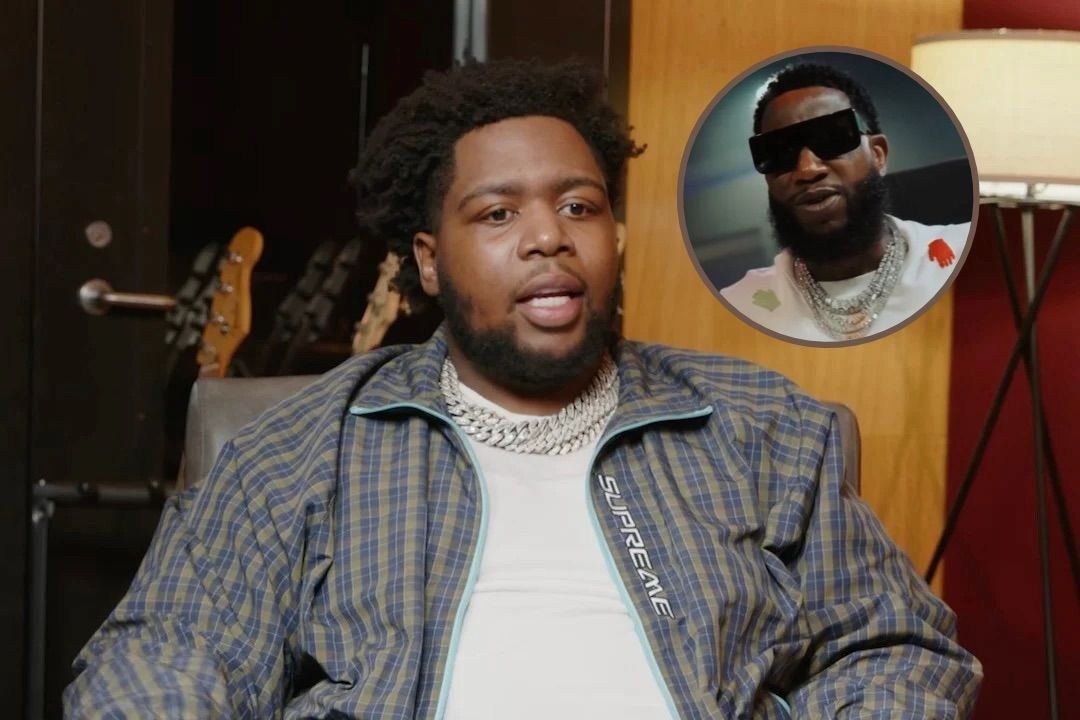
Big30 is standing firm, denying any involvement in a sensational case that has grabbed headlines: the alleged robbery and kidnapping of hip hop heavyweight Gucci Mane. The Memphis rapper, whose real name is Rodney Wright Jr., emphatically declared his innocence in a recent interview, pushing back against federal allegations that he played a role in orchestrating the crime. This case has captured the attention of both the streets and the industry, with many speculating on the true nature of the events that unfolded. In a culture where the line between fact and fiction often blurs, Big30’s vocal defense of his innocence is proof of his resolve to clear his name. As the legal drama unfolds, all eyes are on Big30, who remains steadfast in his assertion that he’s been wrongfully accused.
Speaking on the Perspektives with Bank podcast, Big30, alongside host Big Bank, confronted the swirling accusations head-on. The case, which links him to fellow rapper Pooh Shiesty and others, alleges that the crew targeted Gucci Mane during a studio session in Dallas, forcing him to sign over rights at gunpoint. This bold accusation has rocked the hip hop community, as Gucci Mane is a respected figure whose influence extends far beyond the microphone. Big30, in the hour-long discussion, passionately refuted claims that he cooperated with authorities to secure his bond release, stating the legal proceedings are misconstrued. The rapper’s insistence on his innocence comes at a time when rumors and speculation can rapidly spiral out of control, especially in the age of social media. The podcast served as a platform for Big30 to set the record straight and push back against the narrative being spun by prosecutors.
In the conversation, Big30 made it clear that the charges were unfounded, stating, "I feel like it going to turn out good...we innocent. What they said we did, we didn't do," showcasing his confidence in the face of serious federal charges. He insisted on his innocence, challenging the prosecution to prove otherwise, a bold stance considering the weight of the federal government's allegations. This moment is pivotal, not just for Big30, but for how these high-profile cases are perceived in the public eye. At a time when accusations can quickly overshadow facts, Big30's call for tangible proof rather than assumptions is a significant statement. The rapper's defiant tone shows his determination to fight the charges and emerge unscathed, maintaining not just his freedom but the integrity of his career.
The legal debacle doesn't just involve Big30 and Pooh Shiesty. Pooh's father and other associates have also been drawn into the fray, painting a complicated picture of loyalty and legal battles. Court documents submitted earlier this year reveal that Big30 purportedly recorded parts of the incident on his phone, under Pooh's orders, raising the stakes in a case that's as much about trust as it is about crime. The involvement of family and close associates adds layers to an already intricate case, highlighting the complex web of relationships that can either bolster or break an artist's defense. As the legal proceedings unfold, the bonds of loyalty are tested against the harsh realities of federal prosecution, where every detail is scrutinized and every relationship is dissected. This case is not just a legal battle; it’s a narrative about who stands by whom when the pressures of the system bear down.
The narrative that Big30 cooperated to gain his release was also addressed. He clarified that his bond was set by a Memphis magistrate but contested by prosecutors. A Dallas judge eventually honored the original decision, pointing out Big30's clean record and lack of flight risk. This context is crucial for understanding the legal strategy at play, especially in a system that often pits young Black men against the full weight of federal prosecution. The perception of cooperation with authorities can severely impact an artist's credibility and standing in the community, making this clarification essential. Big30’s explanation explains the legal maneuvers that often occur behind closed doors, where public perception can be as damning as actual evidence. The rapper's transparency about the process shows the importance of maintaining one's reputation amidst the swirling rumors and half-truths that pervade such high-stakes cases.
This high-profile case is just the latest chapter in an ongoing saga of legal troubles for hip hop artists. It's reminiscent of past legal dramas involving artists like Meek Mill and Kodak Black, where legal entanglements have as much to do with systemic issues as with personal actions. These cases often expose the harsh realities of the criminal justice system and its disproportionate focus on Black communities. The cycle of legal challenges faced by hip hop artists reflects broader societal issues, where the intersection of race, fame, and legal scrutiny creates a volatile mix. The stakes are not just personal but political, with each case highlighting the need for reform in a system that seems to stack the odds against young Black men. This case, like those before it, is a microcosm of larger issues that continue to plague the community and the industry.
But here's the twist: the culture has seen this all before, yet the lessons seem unlearned.
The distrust between artists and the industry only grows when legal cases blur the lines between reality and rumor.
Big30's situation highlights the precarious path many artists walk between the lure of the streets and the promise of music fame. The allegations against him reflect a broader dynamic where industry politics, artist behavior, and public perception collide. For artists like Big30, the stakes are high, with reputations and careers on the line. And the culture often finds itself questioning who really benefits when artists fall into legal snares. The intricate dance between staying true to one's roots and handling the treacherous waters of the music industry is a reality many artists face. The allure of the streets can sometimes clash with the responsibilities and expectations that come with fame, leading to situations where personal and professional worlds collide. In such a high-stakes environment, every decision counts, and the consequences of missteps can be career-defining or career-ending.
The distrust between artists and the industry only grows when legal cases blur the lines between reality and rumor. Whether in the music business or the courtroom, Black artists often face a different set of rules, forced to handle a scene rife with traps and biased perceptions. The sheer volume of such cases begs the question of how much systemic injustice feeds into these high-profile legal battles. In an industry where narratives can be shaped by those in power, the truth often becomes obscured. This ongoing tension is not just about individual cases but about the broader dynamics that perpetuate inequality and bias. As artists strive to tell their stories and assert their truths, they constantly battle against a system that seems intent on silencing them. The resilience required to push back against these forces is immense, and each case is a reminder of the ongoing struggle for fairness and justice.
For fans and the community, these cases are more than just tabloid fodder. They serve as a stark reminder of the societal forces that shape and sometimes shatter the lives of those who give voice to their realities through music. Every legal battle echoes deeper issues about race, class, and the relentless scrutiny Black celebrities endure. The repercussions of these cases extend beyond the courtroom, affecting how communities view themselves and their place in a society that often marginalizes them. The artists embroiled in these legal battles are not just fighting for their freedom but for the right to be heard and respected in a world that frequently seeks to undermine them. As fans watch these dramas unfold, they are reminded of the systemic barriers that persist and the resilience required to overcome them.
Advertisement
Underneath the surface of this legal turmoil, there's a pressing narrative about the commodification of Black artistry and the power dynamics at play in the music industry. When labels and legal systems intersect, the outcomes can determine the trajectory of entire careers. It's a pattern that continues to replicate itself, demanding scrutiny and reform. The intersection of music and legal systems highlights the vulnerabilities artists face when their art becomes a commodity subject to external control. These dynamics often prioritize profit over integrity, leaving artists to handle a minefield of contracts, rights, and legal entanglements. The need for change is clear, as the repetitive nature of these issues suggests a system in desperate need of overhaul. As the industry continues to evolve, the hope is for a more equitable scene where artists retain control over their narratives and destinies.
As for what’s next, Big30's trial will be one to watch. The outcome will undoubtedly influence both his career and broader discussions about justice in the music world. It’s a reminder of the resilience required to handle an industry and a world that often tests the very boundaries of fairness. In the meantime, the community watches with bated breath, hoping for a resolution that reflects truth and justice. This trial represents more than just a legal battle; it’s a moment that could redefine narratives around artists and their engagement with the legal system. The implications of this case will ripple through the music community, impacting how future legal challenges might be perceived and addressed. As Big30 and his team prepare for the next steps, the hope is that justice prevails, not just for him, but for the broader community that stands with him.
