Black Icons and Global Culture: How Geography Shapes Their Stories
By Tanya Brooks, PowerVault Staff In an era where the globe is more connected than ever, our favorite Black icons are not just personalities but symbols of cultural convergence and global narratives that redefine what...
Advertisement

By Tanya Brooks, PowerVault Staff
In an era where the globe is more connected than ever, our favorite Black icons are not just personalities but symbols of cultural convergence and global narratives that redefine what it means to learn geography. These stars, from Rihanna's unmistakable Caribbean flair to Burna Boy's infectious Nigerian rhythms, are rewriting the textbook definitions of geography beyond classroom walls. They're not only entertaining us with their undeniable talents but also teaching us about a world intricately woven together through music, art, and activism. Their influence stretches across continents, demonstrating how cultural intersections create new narratives and inspire global conversations. Each beat, each lyric, and each performance becomes a lesson in understanding a world where borders blur and cultures fuse, reflecting the dynamic and ever-evolving Black experience.
The stories of icons like the late Tina Turner and President Barack Obama are powerful examples of how Black cultural influence transcends borders and reshapes identities. Tina Turner, the legendary songstress who started as a small-town girl from Nutbush, Tennessee, eventually became a global icon and a Swiss citizen, symbolizing the ultimate journey of transformation and cultural exchange. Similarly, Barack Obama's life story, which spans from the serene shores of Hawaii to the bustling streets of Jakarta, Indonesia, and ultimately the political arenas of Chicago, showcases how personal histories are intricately linked to global identities. As Geo Factbook highlights, nations such as Brazil and Nigeria, both giants in population size, resonate with these diverse backgrounds, reminding us of the vastness and richness of the Black diaspora. Their journeys are more than mere anecdotes; they are blueprints of how individual experiences contribute to a broader, interconnected world.
Understanding the roots and travels of these celebrities adds a profound layer of depth to their public personas and enriches our appreciation of their artistry. Take Rihanna, for example. Her journey from the vibrant streets of Barbados to the pinnacle of global superstardom is not merely a tale of musical success. It is a narrative of cultural shifts, resilience, and international influence that highlights the power of Black creativity on a worldwide stage. Similarly, Burna Boy's rise to international acclaim is proof of the power of Nigerian afrobeats, as he skillfully blends traditional sounds with contemporary beats, creating a fusion that crosses cultural boundaries and resonates with audiences everywhere. These artists are not just performers; they are cultural ambassadors who use their platform to bridge gaps and connect people across continents, showcasing the beauty of diversity.
This YouTube video takes a close look into the captivating stories behind these icons, shedding light on how their global journeys have significantly influenced their artistry and advocacy efforts. By understanding this context, we not only enhance our appreciation of their work but also open the door to exploring our own cultural identities within a broader framework. The video highlights how these artists handle the complexities of fame while staying true to their roots, using their platforms to advocate for social change and cultural understanding. By delving into their backgrounds and experiences, we are invited to reflect on the interconnectedness of our own stories and how they fit into the larger mix of global culture. This exploration encourages us to embrace our heritage and appreciate the diverse influences that shape our worldviews.
The transatlantic slave trade has left a mark on Black culture, tracing its origins back to African communities and culminating in the Americas. This historical backdrop is crucial for understanding the profound influence of the diaspora today. The forced migration of millions of Africans across the Middle Passage created a foundation upon which new societies and cultures were built, fundamentally shaping the cultural scene of the Americas. This legacy is evident in the migration patterns of Black Southerners to cities such as Chicago and Detroit, as chronicled in books like 'The Warmth of Other Suns.' These movements have not only shaped American culture but have also extended their reach into global popular culture, influencing music, art, and social movements around the world. Acknowledging this history allows us to appreciate the resilience and creativity that have emerged from such adversity, driving the cultural innovation that continues to inspire future generations.
Before she became Switzerland's own and asked the world what love truly means, Tina Turner's story began in the small, unassuming town of Nutbush, Tennessee. Her ascent to global stardom is proof of her unparalleled talent and resilience, as she navigated the music industry's challenges and overcame personal struggles. From her early days performing in St. Louis to commanding stages worldwide, Turner's journey epitomizes the quintessential American dream, wrapped in the strength and tenacity of a Black woman who refused to be defined by her circumstances. Likewise, Barack Obama's life traversed continents, from the lush landscapes of Hawaii to the vibrant streets of Jakarta, Indonesia, before making his mark in American politics. It was in Chicago where he would meet his equally iconic partner, Michelle Obama, and begin a journey that would ultimately lead him to the White House. Both Turner and Obama illustrate how personal histories can transcend borders and inspire global movements, shaping not only their own legacies but also the cultural and political landscapes they inhabit.
And here’s the twist: what these icons reveal is that geography is more than just a physical space, it's a narrative of identity, struggle, and triumph that resonates with every Black person charting their own path.
These stories aren't just about celebrity; they're about the resilient spirit of the Black community that continues to inspire across borders.
Consider the monumental impact of Black American culture, which, despite representing just 13% of the U.S. Population, has managed to cast an immeasurable global footprint. From the rhythmic beats of Motown that shaped generations to the strategic business acumen of Jay-Z, who has redefined what it means to be a modern mogul, the reach and influence are undeniable. Jay-Z's Legacy Tour, for instance, is more than just a musical event; it is a journey through cultural evolution, showcasing the transformative power of Black creativity and entrepreneurship. His ability to handle the music industry while simultaneously building a layered empire highlights the resilience and innovation inherent in the Black experience. This cultural influence extends beyond the realm of entertainment, permeating various aspects of society and inspiring change on a global scale. As we celebrate these achievements, we recognize the enduring legacy of Black culture and its profound impact on shaping the world.
These stories are far more than mere tales of celebrity; they embody the indomitable spirit of the Black community that continues to inspire and transcend borders. They tell us that our individual journeys, regardless of how localized they may seem, are intricately woven into a larger narrative that connects us all. Icons like Bob Marley, who put Saint Ann on the map with his uplifting reggae beats, echo this sentiment with every note that reverberates across the globe. Marley's music, infused with messages of unity and resistance, has become an anthem for change and a beacon of hope for marginalized communities worldwide. Similarly, the stories of other icons remind us of the shared experiences and struggles that unite the Black diaspora, reinforcing the idea that our cultural heritage is a powerful force for transformation and empowerment. Through their art and activism, these icons continue to inspire new generations to embrace their identities and contribute to a more inclusive and interconnected world.
But let's not ignore the underlying dynamics: the Black experience is often one of existing 'in between', caught between countries, cultures, and identities. The entertainment industry, while thriving on the creativity and innovation of Black artists, often falls short in providing equitable opportunities and representation across the board. From token representation to the push for genuine inclusion, the global stage is ripe for a shift that mirrors the transformative journeys of these icons. As the world becomes more interconnected, there is a growing demand for authentic narratives and diverse voices that reflect the true breadth of human experience. This shift requires a commitment to dismantling systemic barriers and creating spaces where Black creativity can flourish without limitations. By embracing the rich mix of Black culture and its myriad influences, we can pave the way for a more inclusive and equitable future that honors the contributions of all communities.
These stories compel us to ask: what will the future hold as Black culture continues to spread and influence every corner of the globe? With emerging artists drawing from these rich histories, we can anticipate a more complicated and inclusive cultural scene that respects the roots while branching into new territories. As the next generation of creatives takes the stage, they bring with them the lessons and legacies of those who came before, infusing their work with fresh perspectives and innovative ideas. This evolution is not just about preserving tradition; it's about pushing boundaries and redefining what is possible. By celebrating the diversity and complexity of Black culture, we can inspire a global movement that values inclusivity and fosters cross-cultural understanding. The future is bright, and it's being shaped by the bold voices and visionary leaders who are unafraid to challenge the status quo and create new pathways for progress.
Advertisement
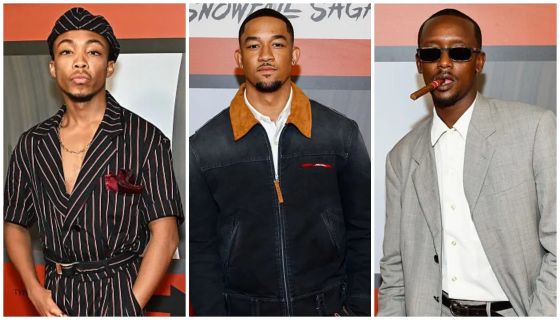
As we celebrate these icons and their journeys, it's crucial to keep our eyes on the horizon, where new voices and stories are waiting to be heard and embraced. Asante Blackk's bold pursuits are proof of the power of dreaming beyond survival, reminding us that such dreams are not merely goals but necessities for progress and transformation. His work challenges us to envision a future where creativity knows no bounds and where every individual has the opportunity to thrive and contribute to the cultural mix. By uplifting emerging talents and supporting their endeavors, we can ensure that the legacy of Black culture continues to flourish and inspire generations to come. As we handle the complexities of an ever-changing world, these stories serve as a guiding light, encouraging us to embrace our unique identities and celebrate the shared humanity that unites us all.
So, next time you listen to that Motown melody or stream Burna Boy's latest hit, remember: the music, the culture, and the stories are as much about the journey as they are about the destination. And just like our icons, the narrative of geography is one that will keep evolving, reflecting the beautiful complexity of the Black experience in every corner of the globe.