Blockstar Apologizes to Pop Smoke's Mom: What This Means for the Streets and the Industry
By Marcus Ellison, PowerVault Staff In a dimly lit room, with shadows casting a haunting silhouette on the walls, a young man sits facing the camera. His voice is steady, but his eyes tell a story of regret and unspok...
By Marcus Ellison, PowerVault Staff
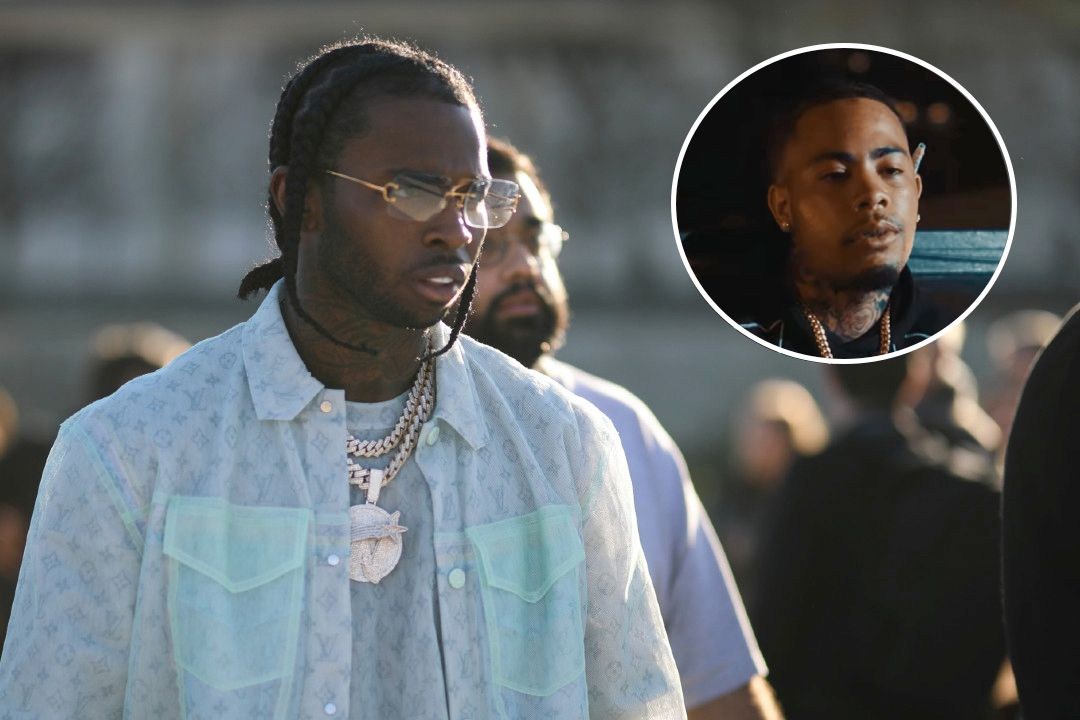
In a dimly lit room, with shadows casting a haunting silhouette on the walls, a young man sits facing the camera. His voice is steady, but his eyes tell a story of regret and unspoken truths. This isn’t just a confession; it’s an attempt to bridge a chasm carved by tragedy and poor decisions. Blockstar, one of the men involved in the 2020 murder of Pop Smoke, is finally speaking his truth. The apology he never got to give to Pop's mom is his first step into a world that might never forgive, but one that needs to hear it anyway, even if the words feel like they’re carried on the wind.
Blockstar, who was only 17 when Pop Smoke was killed, has come forward with an apology that seems as complex as the streets themselves, layered with the weight of unfulfilled dreams and lost potential. In an interview with XVTV, he addresses the late rapper's mother directly, showing the depth of a young man caught in a cycle of survival. Blockstar claims the incident wasn't personal, a robbery gone wrong, a young man's pursuit of quick money at a time when opportunities are scarce. But sincere or not, the weight of his words hangs heavy, echoing through the corridors of a community still grieving. The clip that set everything off is below.
The details of Pop Smoke's murder have been examined under a microscope ever since that fateful night in February 2020. Blockstar, alongside three others, broke into the Brooklyn rapper’s Hollywood Hills home, resulting in a confrontation that ended with Pop Smoke getting shot. Yet, Blockstar insists that Pop was never his enemy, a claim that attempts to separate personal animosity from the chaos of that night. A recorded call revealed that Deijae Jester, the youngest of the crew, was the one who shot Pop Smoke. Now, Blockstar's released on time served from juvenile detention, but the scars remain, both on him and the community that idolized Pop, a wound that feels fresh every time his music plays.
The recorded interview digs deeper into the layered dynamics of crime, survival, and the quest for redemption in a world quick to judge but slow to understand. Blockstar's words, “It was just on some young ni**as getting money,” echo the same urban struggles many young Black men face daily, where the line between right and wrong blurs under the pressure of survival. Yet, the price paid was immeasurable, leaving a void that no amount of remorse can fill. Blockstar’s assertion that the situation was never meant to escalate resonates in the streets where desperation often fuels dangerous choices, and where the consequences are rarely considered until it's too late. The full clip is available below.
Pop Smoke, born Bashar Barakah Jackson, was more than a rising star; he was a beacon for the Brooklyn drill scene, redefining soundwaves and expectations. His untimely death was not just a loss to music but a reminder of the fragility of life when fame intersects with danger, a tragic intersection where dreams are often derailed. Corey Walker and Keandre Rodgers, adults at the time of the incident, faced heavier sentences, pointing to the legal system's harsher grip on those deemed responsible, a system often unforgiving to young Black men. Meanwhile, Jester, separated by age but not by consequence, faces new charges for smuggling fentanyl, a cycle of incarceration that seems unending, capturing the harsh reality of lives lived on the edge.
Blockstar’s apology fits a tragic pattern etched into the history of hip-hop, marred by violence and loss, a cycle that seems to repeat with every new generation. Recall Biggie and Tupac in the '90s, their deaths still unsolved, yet their impacts remain monumental, ghostly reminders of what could have been. And Nipsey Hussle, another star snuffed out too soon, with similar roots in the streets that shaped him. The cycle of violence and music intertwines, suggesting a deeper issue that extends beyond individual cases to a systemic crisis. This crisis demands a hard look at factors like poverty, lack of opportunity, and the glamorization of a lifestyle many feel is their only way out, a way that often leads to the same tragic end.
Apologies, however sincere, can't resurrect the dead, nor can they ease the pain of those left behind.
Blockstar's apology is more about surviving the system than seeking forgiveness.
Blockstar's statement adds layers to the conversation about accountability and survival, opening a window into the harsh realities that many young men face. His words remind us that the young men involved in Pop's murder are products of an unforgiving environment, where choices are limited and the path to prosperity is fraught with peril. For some, his apology might seem like an attempt to absolve himself, but it’s also a stark revelation of a life cornered by limited options, where every decision feels like a gamble. In an industry that often romanticizes the hustle, Blockstar’s life is a vivid reminder of its dangerous realities, a reality where the stakes are life and death.
From an industry standpoint, Blockstar's apology spotlights the often-overlooked aspect of how young artists and their entourages handle fame's treacheries. The music business reaps billions from the stories of struggle and success but often abandons its stars when those narratives turn dark, leaving them to fend for themselves in a world that can be as ruthless as it is rewarding. The question remains: what support systems are in place for artists rising from marginalized communities? Just as Nas has emphasized, honoring roots matters, but so does nurturing talent responsibly, ensuring that young artists are equipped with the tools they need to handle the complexities of fame without losing themselves in the process.
For the community and Pop Smoke's fans, the loss is irreplaceable. His voice, which once spoke to the ambitions and dreams of a generation, was silenced, but the echoes still resonate, creating a haunting melody that lingers in the hearts of those he touched. Blockstar’s words serve as a chilling reminder of how quickly the hope Pop represented can be snatched away, a bittersweet testament to the fleeting nature of success. As we listen to Blockstar, we’re compelled to ask: how many more voices must be lost before change is made? The apology might seem like a hollow gesture, but for many, it’s a first step toward understanding and healing, a fragile bridge over a chasm of pain.



