BloodHound Q50 Funeral Shooting: What We Know and What It Means for Hip Hop
By Marcus Ellison, PowerVault Staff The streets were supposed to be paying their final respects, but guns had other plans. BloodHound Q50, a rising star from the Chicago rap scene, had his funeral turned into another...
By Marcus Ellison, PowerVault Staff
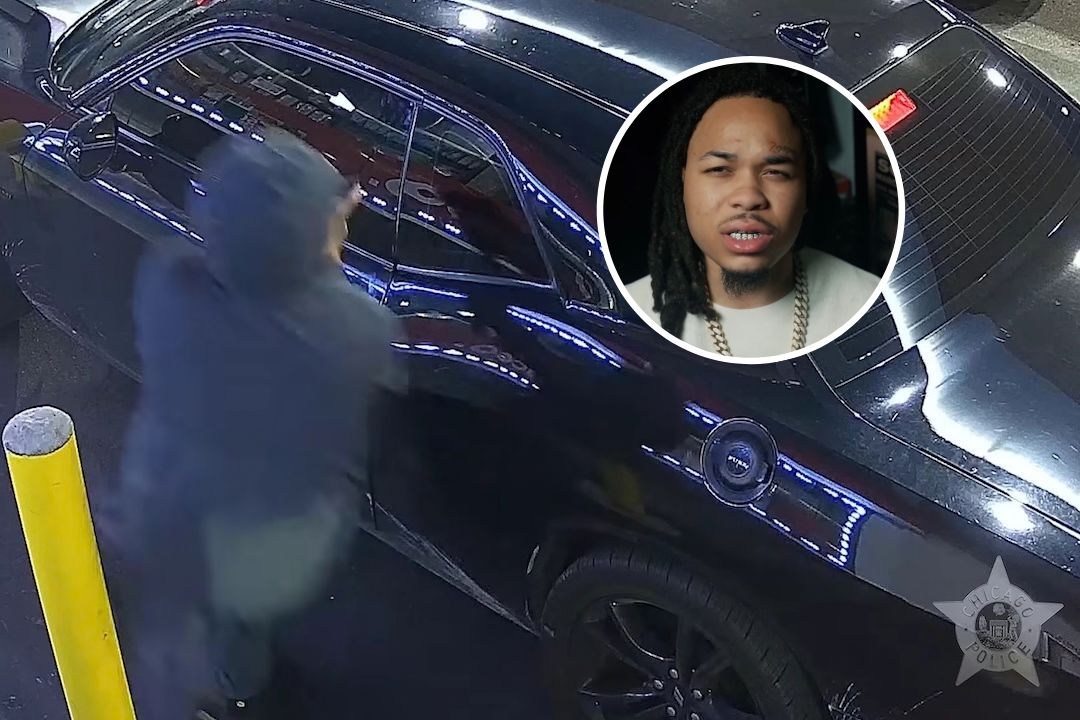
The streets were supposed to be paying their final respects, but guns had other plans. BloodHound Q50, a rising star from the Chicago rap scene, had his funeral turned into another crime scene. Someone opened fire at the service, and now another man lies dead. As the police piece together what happened, one question echoes: Who shot ya?
Funerals should be moments of peace, places where friends and family come to mourn and celebrate a life. Instead, Q50's funeral served as a grim reminder of the violence that shadows the hip hop community. According to police reports, the shooting took place outside the funeral home as attendees were leaving. The victim, yet unnamed, was struck and later pronounced dead at the hospital.
Hip hop and violence, unfortunately, have a history as intertwined as the beats and rhymes that define the culture. From Biggie and Tupac to Nipsey Hussle, gun violence looms large over the genre. BloodHound Q50, known for his gritty lyrics and authentic storytelling, wasn't immune to this harsh reality. The shooting at his funeral shows the cycle that we're yet to break.
The music video below, one of Q50's most popular tracks, is a testament to the raw energy he brought to the game.
His life and death unravel a story common to many young Black men in America. Raised in the streets, Q50 transformed his struggles into verses. But escaping the streets isn't as simple as leaving the block. The industry loves to capitalize on the authenticity of street-life narratives, yet too often, it offers little protection to the artists who live that reality.
Critics might say that hip hop glorifies violence, but let's be real: the music is a reflection, not the cause. Artists like Q50 rap about the life they know, not the one they dream of. The industry is quick to celebrate these stories, but slow to address the systemic issues that create them. Where's the accountability when the same systems that profit off these stories remain silent when tragedy strikes?
It's deeper than just one funeral or one shooting. We must ask ourselves, why does the cycle of violence persist? Economic disparity, systemic racism, and lack of opportunities are not just buzzwords, they're realities that fuel the fire. As long as these issues remain unaddressed, the cycle will continue.
For the community, this isn’t just about losing an artist but losing another voice that spoke to their experiences. BloodHound Q50 was more than just a rapper; he was a storyteller of the people's pain and resilience. The tragedy that befell his funeral is a stark reminder of the battles we still fight every day.
Shifting the lens to the industry, it’s time to examine the role of record labels and managers who benefit while providing little to no protection for their artists. The glamorization of dangerous lifestyles sells records, but at what cost? The industry needs to take a hard look at how it supports its artists beyond the studio. Are they just commodities, or does their safety and well-being matter?
In this next video, we see a different side of Q50, more introspective and raw, showing the complexity of an artist caught between worlds.
For the fans, the loss hits hard. You can hear the sadness and frustration in their voices online, in the forums, in the streets. They see themselves in BloodHound Q50's story. The reminder here is brutal: talent alone cannot protect you from the perils that lurk when the music stops.
The hip hop community is often criticized for its ties to street life, but it’s high time we honor the resilience it takes to rise from those streets. The community should be a shield, not a target. We need to celebrate the victories while addressing the issues that lead to such senseless losses.
The industry loves to capitalize on the authenticity of street-life narratives, yet too often, it offers little protection to the artists who live that reality.
So what comes next? The streets are watching, and so is the industry. It's about time for change, and it starts with recognizing the value of life over a platinum record. Artists, fans, labels, everyone has a role to play in shifting the narrative. Until then, the cycle of tributes followed by tragedy will keep spinning.
BloodHound Q50's death is a call to action. It's a plea for the community to rally around solutions, not just mourn the losses. We must demand more from an industry and society that has long thrived on our pain but offered little in return. For the culture, for our future, let's make sure our voices are heard.