
BloodHound Q50's Final Moments: What His Death Reveals About Chicago's Hip Hop Scene
By DeShawn Price, PowerVault Staff The early morning peace of Chicago’s South Side was shattered by the echo of gunfire on September 13. At the BP gas station in Fuller Park, Mikquale T. Cooper, known to fans as Blood...
Advertisement

By DeShawn Price, PowerVault Staff
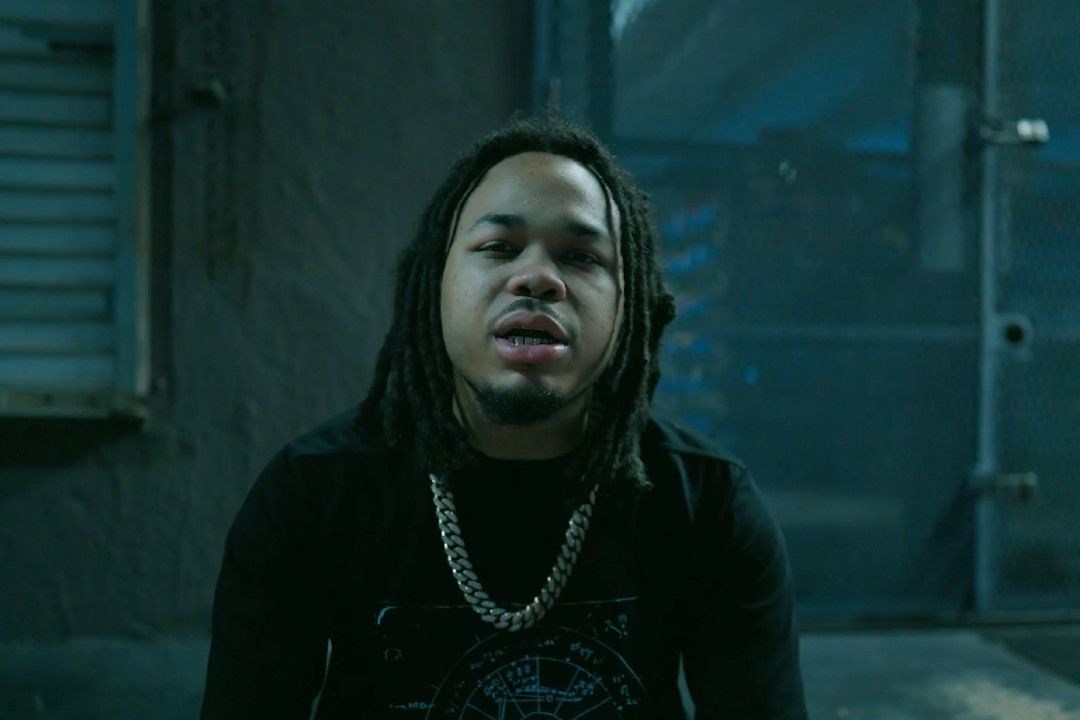
The early morning peace of Chicago’s South Side was shattered by the echo of gunfire on September 13. At the BP gas station in Fuller Park, Mikquale T. Cooper, known to fans as BloodHound Q50, met his tragic end. A white Tesla, the rapper's signature ride, became the scene of a ruthless ambush that claimed his young life. This is more than another shooting; it was a targeted execution that took down a promising talent in a burst of violence. Once a rising star on the Chicago drill scene, Q50's promising trajectory was abruptly cut short by a barrage of bullets. His death marks another chapter in the ongoing narrative of gun violence plaguing the city's music community, leaving fans and peers in shock and mourning.
According to the autopsy report published by the Chicago Sun-Times on October 19, Q50 endured five gunshot wounds, head, neck, back, and shoulder, each proof of the brutal nature of this attack. At just 22 years young, Q50 was a product of Chicago's vibrant yet perilous music scene. Over 50 shell casings were found scattered around the gas station, stark evidence of a premeditated strike involving six armed assailants. Surveillance footage captures Q50’s last moments, painting a grim picture of his final walk. The video shows him leaving the station’s store, then pausing, perhaps sensing danger, before stepping back outside into a deadly hail of gunfire. This wasn't a random act; it was a cold and calculated move, leaving the community reeling from yet another loss.
The video evidence also reveals a woman accompanying Q50, who later took to Facebook to fiercely deny any involvement in setting him up. Her post was a raw outpouring of emotion and frustration, where she detailed her desperate attempts to urge Q50 to leave the scene, sensing imminent danger as suspicious figures circled the car. According to her account, their escape was tragically delayed by a malfunction with the car’s seatbelt mechanism, a minor glitch that ended up having catastrophic consequences. She insisted she was not complicit in the attack, describing how she fled the Tesla and sought refuge in a stranger's vehicle as the bullets flew. Her passionate plea was a call for understanding and respect for both her and Q50's memory, challenging the narrative of betrayal that quickly spread online.
The aftermath of Q50’s murder has rattled Chicago’s music scene and beyond, stirring conversations about the cyclical nature of violence in the industry. Despite ongoing investigations, no arrests have been made, leaving the community on edge. The situation grew even more complicated when another rapper, Naseem D. Stevens, known as Poohman, was gunned down at a gas station just after attending Q50's funeral. Poohman's murder, believed to be linked to Q50's death, shows the dangerous entanglements in Chicago’s drill scene, where street politics often intertwine with musical rivalries. These incidents raise pressing questions about ongoing feuds, the price of fame, and the deadly stakes that come with it in a city where the music scene can sometimes mirror the harsh realities of the streets.
BloodHound Q50’s death is not just an isolated tragedy but part of a distressing pattern of violence that has long plagued the hip hop community. This recent chapter in Chicago's tumultuous history echoes past tragedies in the broader hip hop scene, reminiscent of the high-profile murders of Tupac Shakur and The Notorious B.I.G. In the mid-90s. Although the circumstances of these deaths differ, the underlying narrative remains the same: a relentless cycle of loss and mourning that continues to haunt the genre. The tragic end of Q50 highlights the precarious balance between artistic expression and the harsh realities faced by many young artists trying to handle the treacherous waters of fame and street life.
The culture of Chicago’s drill music, celebrated for its raw and unfiltered authenticity, also carries a dark undercurrent that is difficult to ignore. The aggressive beats and confrontational lyrics reflect the harsh realities of the environments these artists come from, often serving as both a form of expression and a survival mechanism. Yet, this artistry sometimes becomes a blessing and a curse, where the pursuit of authenticity and street credibility can lead to real-world violence. The interplay between music, street politics, and the relentless quest for respect creates a potent mix that can be lethal. As we've seen time and time again, the lines between art and life blur, and some artists find themselves caught in a deadly cycle they can't escape.
This is more than about a rapper meeting a tragic end; it's a reflection of the systemic issues within the industry and communities.
This is more than about a rapper meeting a tragic end; it's a reflection of the systemic issues within the industry and communities.
From an industry perspective, Q50's murder shows the brutal realities many young artists face in the music business. Often, they are thrust into the spotlight without the necessary guidance or protective measures to handle the treacherous waters of fame. Record labels are quick to capitalize on their raw talent and marketability but slow to offer the mentorship or security needed to safeguard these artists’ lives and careers. This negligence leaves emerging talent vulnerable, exposed to the dangers that come with fame and the street politics they may not be fully prepared to handle. The industry's silence on these critical issues is deafening, revealing a systemic problem where profit often takes precedence over the well-being and safety of the artists who drive the culture.
For the audience and the community, Q50's death serves as a harsh reminder of the consequences of unchecked violence and the glamorization of a perilous lifestyle. Young fans often idolize these rappers, emulating their personas without fully grasping the life-or-death stakes involved. The allure of street credibility and the depiction of a dangerous lifestyle in music can be captivating yet misleading. It's crucial for the community to step up and address these influences, fostering environments where young people can engage positively and pursue their passions without falling into the traps of violence and street politics. By creating spaces for positive expression and mentorship, we can begin to shift the narrative away from tragedy and towards empowerment and growth.
Racial and class dynamics also play a significant role in these tragedies, with Chicago's South Side serving as a backdrop for a cycle of violence fueled by systemic inequality. Historically undersupported and economically challenged, these neighborhoods often lack the resources and opportunities needed to break free from a survival mentality. The violence that erupts from these conditions is both a product and perpetuator of these systemic issues, creating a vicious cycle that is hard to escape. Addressing these deep-rooted problems requires more than just increased police presence or superficial interventions; it demands a comprehensive approach that tackles the underlying socio-economic factors and provides real opportunities for change and advancement within these communities.
Advertisement
As the investigation into BloodHound Q50’s murder continues, the path to answers remains fraught with complexity. The hip hop community is left to grapple with the implications of such violence, while fans and fellow artists mourn the loss of a young life taken too soon. This is more than a Chicago problem, it's a nationwide issue that speaks to the broader challenges faced by communities affected by gun violence. The cycle needs to be disrupted, and this requires a concerted effort from all stakeholders, from law enforcement and policymakers to community leaders and the music industry itself. Only by addressing the root causes can we hope to prevent future tragedies and create a safer environment for artists and fans alike.
Looking ahead, there is a pressing need for both the industry and community leaders to take decisive action. Advocating for change, offering mentorship, and creating safe spaces for artistic expression are not just optional steps; they are necessary if we are to prevent further loss of life. BloodHound Q50's death should not be just another statistic or a fleeting headline, it should serve as a catalyst for reflection and reform within the culture. As we move forward, there is hope that these stories of tragedy can eventually transform into narratives of resilience and triumph, where artists can thrive safely and their communities can flourish without the shadow of violence looming large.
