BloodHound Q50's Tragic End: The Woman in the Car Breaks Her Silence
By DeShawn Price, PowerVault Staff Chicago streets never sleep, and neither does the relentless cycle of violence that has claimed yet another promising life. BloodHound Q50, a name that was starting to echo through t...
By DeShawn Price, PowerVault Staff
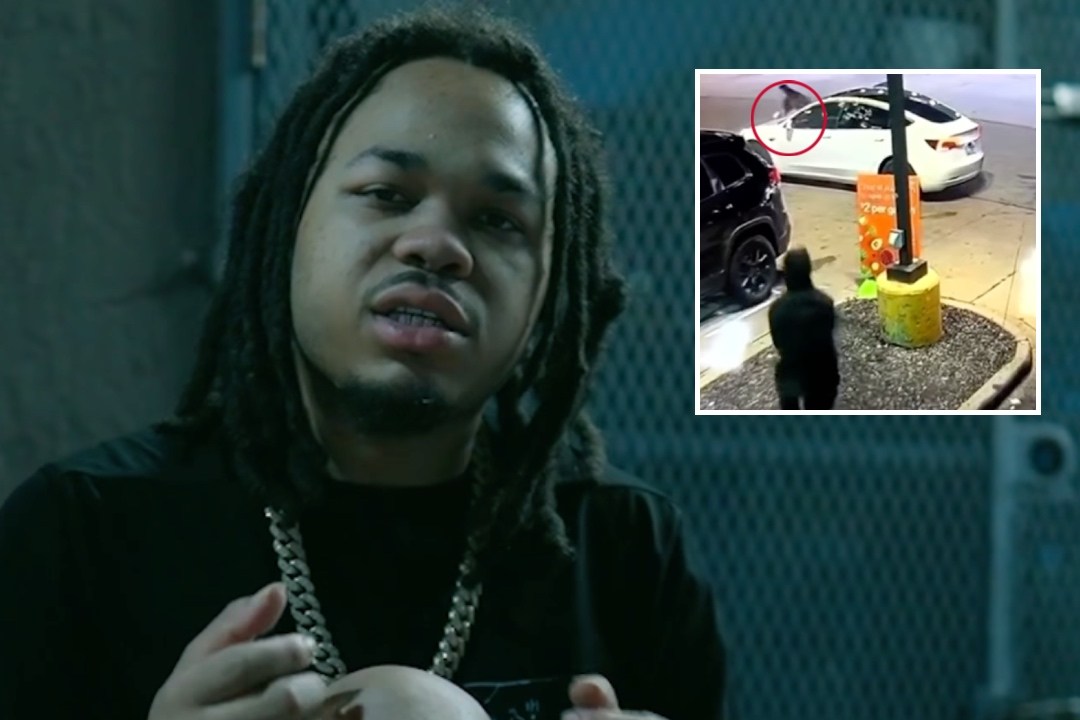
Chicago streets never sleep, and neither does the relentless cycle of violence that has claimed yet another promising life. BloodHound Q50, a name that was starting to echo through the hip hop corridors of the Windy City, was gunned down in a brutal attack that left the community in mourning. The circumstances of his death were already shrouded in mystery, but now, the woman who was with him during his final moments has decided to speak out.
She recently shared her side of the story with Fox 32 Chicago, revealing not only the trauma of being caught in the crossfire but also the reality of having to leave her home for safety. This is her narrative, a testament to the gritty and oftentimes perilous world surrounding the lives of artists like BloodHound Q50. The specifics of that fateful night remain largely obscure, but her words add a poignant layer to an already tragic story, one that’s all too familiar in the world of hip hop.
BloodHound Q50 was more than a rising rapper; he was a representation of the hustler spirit that permeates Chicago. Yet, despite the promise of his career, bloodshed and violence overshadowed his future. The woman's departure from the state says a lot about the ever-present danger lurking in the shadows of the industry. It’s a chilling reminder of the stakes involved when your art and your environment collide.
Back in the day, hip hop was about the struggle, the stories of climbing out of adversity. Today, it seems like too many promising lives are cut short before they can fully escape those very challenges. BloodHound Q50’s story is not an anomaly; rather, it’s part of a devastating pattern that sees young talent being wiped off the map before their time. And the industry? Often it turns a blind eye, more concerned with profit margins than the safety of its artists.
In addressing the aftermath, the woman in the car described her harrowing experience, making it clear that this wasn’t just another case of being in the wrong place at the wrong time. It was a targeted hit, a grim reality that many within the hip hop community have to contend with. For her, escaping to another state was the only way to ensure her safety, highlighting the often unspoken risks that come with being close to those tied to this life.
The video below captures her account, shedding light on the gravity of the situation:
The hip hop industry is no stranger to tragic losses. Biggie, Tupac, Nipsey Hussle, the list goes on. Each name a reminder of what’s at stake when violence and music intersect. But while the losses are publicized, the underlying causes are often glossed over. Why does this keep happening, and what can be done to protect young artists trying to break through the noise? The tragic case of BloodHound Q50 forces these questions back into the spotlight, yet again.
For the community, these tragedies are personal. They're reminders of the systemic issues that continue to plague neighborhoods where these artists are born. Poverty, lack of opportunities, and systemic neglect all play a role in the cycle of violence. It’s a vicious cycle that’s all too familiar, and one that the industry has yet to actively address. The very environments that inspire powerful music often trap the artists in lives cut short.
In the post below, the street reactions are raw and unfiltered, capturing the community’s grief and frustration:
PowerVault Network has always been about keeping it real, and it’s crucial we talk about the corporate side of things. As much as the music business loves to profit off the struggle narrative, it falls short in protecting those who live it. Labels are quick to exploit the stories but slow to invest in the safety and well-being of their artists. Where’s the responsibility in that?
Moreover, the glamorization of violence in hip hop needs serious introspection. It’s a complex issue, the music reflects reality, but it also shapes it. The glorification of street life can sometimes blur the line between storytelling and living it, making artists targets in both their personal and professional lives. The industry needs to do more than just capitalize on these tales; it must actively contribute to changing them.
The stakes are high, and the cost is often young lives, dreams deferred, and communities left to pick up the pieces.
The woman who shared her story is more than a witness; she's part of a larger narrative of survival and the high costs associated with the world of hip hop. Her decision to leave Chicago echoes the sentiment of many who find themselves caught between the dream and the danger. For the fans who follow these artists, understanding the harsh realities behind the music is crucial. It’s a call to action to support not just the art but the artists themselves.
In an Instagram post below, the weight of the situation is palpable, showing just how deep the impact runs:
As hip hop continues to dominate global culture, there’s a pressing need for introspection within the community and industry. The tragic end of BloodHound Q50’s life asks us to challenge what we've come to accept as normal. It demands that we look beyond the beats and lyrics to the real lives at stake. Moving forward, change is necessary not only for the integrity of the music but for the people who create it.
The question we leave you with: how long will we continue to mourn instead of act? The stakes are high, and the cost is often young lives, dreams deferred, and communities left to pick up the pieces. In remembering BloodHound Q50, let’s also commit to doing better by those who come after him.