Brian Flores and the NFL: Systemic Racism in Plain Sight
By Tanya Brooks, PowerVault Staff On a crisp Sunday afternoon in Minneapolis, the Minnesota Vikings' defense is a symphony of calculated chaos. Like a maestro commanding an orchestra, Brian Flores orchestrates every b...
By Tanya Brooks, PowerVault Staff
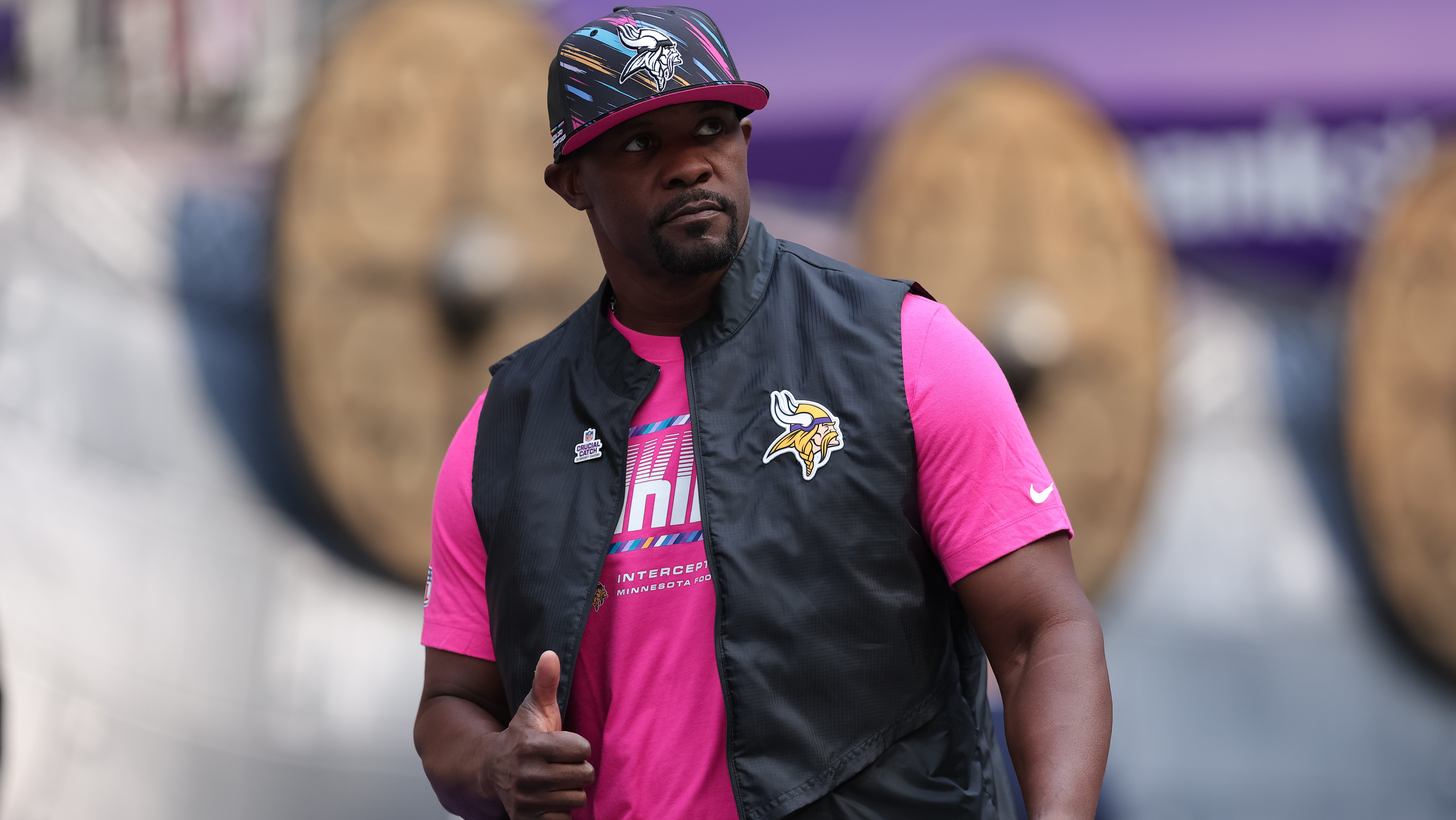
On a crisp Sunday afternoon in Minneapolis, the Minnesota Vikings' defense is a symphony of calculated chaos. Like a maestro commanding an orchestra, Brian Flores orchestrates every blitz and coverage with precision, directing his players to swarm opponents like a pack of wolves. The crowd's roar crescendos, reverberating through the stadium, but behind this spectacle lies a whispering tension. Flores isn't merely the mastermind of an undefeated defense; he's a revolutionary in a game that often resists change, challenging a system that habitually sidelines Black coaches from leadership positions. His presence on the sidelines is a defiant act, a statement that excellence cannot be muted by systemic bias.
Known for his relentless, blitz-heavy defensive schemes, Brian Flores has carved out a reputation as a standout figure in the NFL, particularly as the Vikings continue their dominant performance this season. Yet, the shadow of his class action lawsuit against the NFL for racial discrimination casts a long silhouette over his achievements. Recently, a Korn Ferry recruitment report, commissioned during a coaching search for the Las Vegas Raiders, was unsealed, revealing the insidious stereotypes Black coaches like Flores routinely face. This revelation, brought to light by Front Office Sports, shows how deeply systemic racism is entrenched in the upper echelons of professional football, where Black excellence is often scrutinized through a skewed lens.
The report lauded Flores for his defensive genius, calling him 'polished and a good presenter,' but followed with a caveat: 'despite growing up in Brownsville, Brooklyn.' This kind of disclaimer isn't just a sotto voce insult; it's a blatant microaggression, a reminder of the hurdles Black coaches face in an industry that judges them by the color of their skin rather than their accomplishments. The assessment suggested that Flores overcame his 'inner-city' roots through proximity to whiteness, a theme all too familiar for Black professionals handling predominantly white spaces. It's a pernicious narrative that implies that Black success is an anomaly, requiring validation through association with whiteness, rather than being celebrated on its own merits.
In the video below, you can see Flores on the sidelines, kinetic and commanding, yet the recruitment report described him as having 'erratic behavior' and lacking people skills. These criticisms seem all too convenient, given the complex dynamics of leading a team in high-pressure environments. It's telling that his so-called lack of self-awareness translates to 'difficult with ownership', a veiled code for not conforming to the expectations of those in power. In the high-stakes world of professional football, where decisiveness and authority are crucial, such characterizations are weaponized to undermine his credibility. Flores' intensity, a trait celebrated in white coaches, is recast as a liability when it disrupts the status quo.
The assessments didn't stop there. Flores was also painted as a 'dictator,' a term that, when applied to a Black coach, takes on a different shade of meaning. When the same descriptor is used for a white coach, it's reframed as leadership, proof of their tenacity. But for Flores, it's wielded as a weapon, one that aims to cut him down in the eyes of potential employers who might see his assertiveness as a threat rather than an asset. This double standard serves to reinforce racial hierarchies within the league, where Black coaches must constantly balance being authoritative with being approachable, lest they be deemed too aggressive or unfit for leadership.
Flores' legal battle isn't just a solitary strike against the NFL; it's part of a broader historical struggle. Black coaches have long faced an uphill battle in a league that has been slow to embrace diversity in its leadership roles. From the late Fritz Pollard, the first African American head coach in the NFL, to the Rooney Rule's implementation in 2003, aimed at increasing diversity, progress remains incremental and often performative. Despite these measures, Black coaches remain underrepresented, and the unsealed report is just the latest chapter in a story that never seems to end. It's proof of the persistent racial barriers that continue to obstruct true equity within the league.
White coaches get celebrated for traits that make Black ones suspect.
For a white NFL head coach, being called a dictator and difficult is a badge of honor that speaks to toughness and commitment.
For Brian Flores, this isn't merely about personal vindication. It's about cracking open a conversation that the NFL has long tried to paper over with platitudes and half-measures. The league's reluctance to fully embrace diversity among its coaching ranks is a reflection of its broader resistance to change. Flores' lawsuit challenges the status quo, daring to pull back the curtain on an industry that often pays lip service to equality without practicing it. By taking on the NFL, Flores seeks not just to change his own circumstances but to challenge the entire framework that has allowed systemic discrimination to persist, making it clear that superficial gestures are no substitute for substantive change.
The NFL's treatment of Flores shines a harsh light on the systemic inequities deeply embedded within the league. His case illustrates a broader pattern of disparities that Black professionals face across industries, where stereotypes and microaggressions stifle opportunities and potential. Flores' experience is a call to action for the industry, urging it to move beyond token gestures and towards genuine inclusivity and equity. The stereotypes and coded language used against him are not isolated incidents but part of a larger narrative that limits the advancement of Black professionals, urging organizations to confront these biases and commit to meaningful reforms that reflect the diversity of the talent pool.
For fans and aspiring Black coaches, Flores' stance is a beacon of resilience and courage. It's a reminder of the power of speaking truth to power, even when the odds are stacked against you. His battle shows the importance of representation at all levels, challenging the youth watching at home to believe they too can rise to leadership, not just on the field but off it. Flores’ fight is emblematic of a broader struggle for equality and serves as an inspiring testament to the potential for change when individuals refuse to remain silent in the face of injustice, encouraging the next generation to pursue their dreams fearlessly.
Underneath it all, the stakes are not just about a single coach's fate but rather the NFL's very foundation as a cultural institution. The league is a microcosm of America itself, where racial dynamics and economic clout often collide. This is more than about football; it's about who gets to call the shots, who gets to lead, and how the game weaves into the broader societal mix. The NFL, as a cultural behemoth, reflects and amplifies the racial tensions that permeate society, making Flores' lawsuit a critical moment that could lead to profound shifts not only in the league but also in the larger conversation about race and representation in America.
Moving forward, Brian Flores' lawsuit will continue to unfold, with the potential to set significant precedents about hiring practices and racial equity in professional sports. As the Vikings drive towards a playoff berth, Flores' work on the field and his fight off the field are emblematic of the dual battles Black professionals often wage. Change is slow, but with leaders like Flores willing to shake the tree, there's hope for a more just and equitable future. The story doesn't end here; it's just the beginning of a new chapter in the fight for equality, one that could redefine the world of professional sports and inspire systemic change across all sectors.





