Why Did King Von's Son's Mom Call OTF Vonnie a Liar at Lil Durk's Trial?
By Andre Coleman, PowerVault Staff The courtroom was packed, tension thick enough to cut with a knife. As Lil Durk stood trial, eyes were glued not just to him, but to the unexpected, high-stakes drama unfolding aroun...
By Andre Coleman, PowerVault Staff
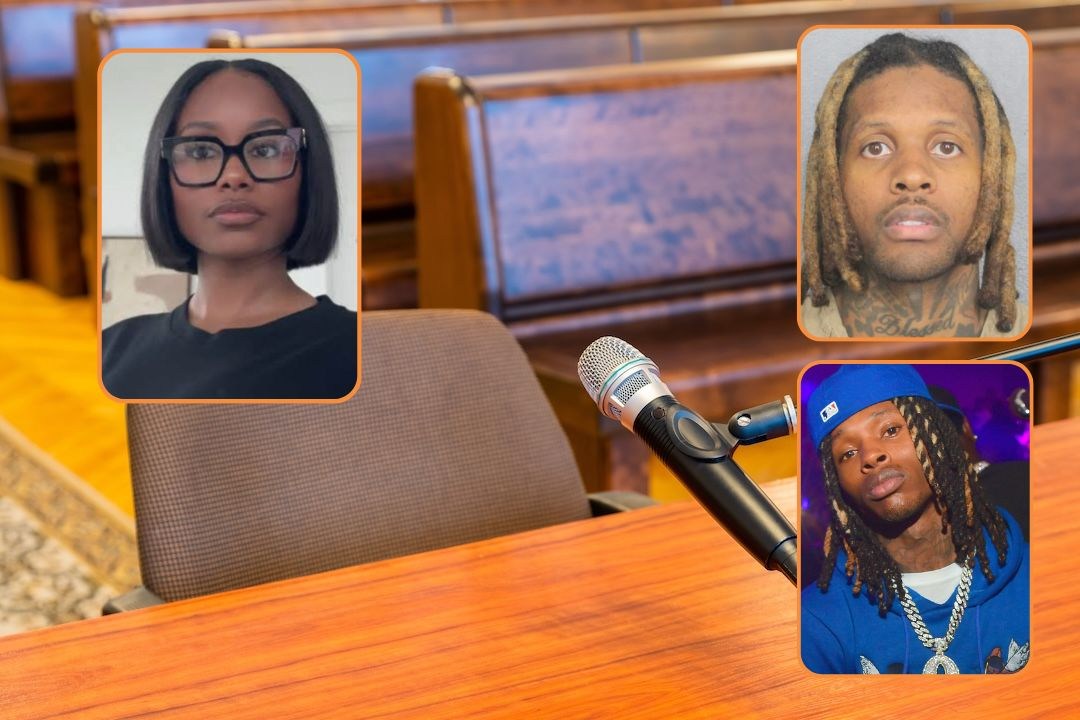
The courtroom was packed, tension thick enough to cut with a knife. As Lil Durk stood trial, eyes were glued not just to him, but to the unexpected, high-stakes drama unfolding around him. Among the witnesses was a surprise appearance by the mother of King Von's son, OTF Vonnie. She didn't just come to testify; she came with the heat, accusing OTF Vonnie of lying about critical details surrounding the case. The entire scene felt charged, a culmination of emotions, loyalty, and the ever-present shadows of street life that hang over the culture.
This moment encapsulated the crossroads of hip-hop loyalty and the harsh realities of the streets. As Vonnie, who is largely regarded as a young voice in OTF, sat there, the stakes weren’t just legal,this was about legacy, about truth and the reputations of those involved. In the eyes of a grieving mother, the stakes are always personal. The courtroom drama isn’t just a subplot; it's an intense chapter in the saga of Chicago's rap scene, a city that wears its scars on its sleeve.
Everyone knows that family ties run deep in hip-hop, especially in a crew like OTF where relationships are everything. King Von’s mother’s allegations against Vonnie hit like a grenade. She painted a vivid picture of betrayal and falsehoods that reverberated through the courtroom. The elements of loyalty, truth, and community are always colliding in the rap game, and this trial was a stark reminder of how those collisions can play out. For many in the culture, it’s not simply about what happened; it’s about who is telling the story and why.
Durk's trial has been closely watched not just for the legal ramifications but for what it reveals about the relationships within OTF and the larger Chicago rap scene. The streets have eyes, and every move a rapper makes can become fodder for speculation and commentary. The whispers grow louder: Is Vonnie truly down for the cause, or is he more about self-preservation? This trial is highlighting the fracture lines that loyalty can sometimes create, especially when family and friends are caught in the crossfire.
The implications of these courtroom revelations extend far beyond the trial itself. This moment speaks volumes about the nature of loyalty in hip-hop, particularly within OTF. Loyalty can be a double-edged sword; it can either be a source of strength or a web that traps you in a cycle of deception and betrayal. The culture has seen its fair share of this. Just look at the history of East Coast vs. West Coast beef, where alliances shifted like quicksand. In this case, the courtroom is the new battleground, and stories of loyalty are starting to fracture.
From a socio-political standpoint, this incident also touches on deeper issues faced by many Black families in America. The criminal justice system has always been a complicated beast, often skewed against marginalized communities. Here, a mother is fighting for her son’s legacy while navigating a system that has historically offered little support or justice for families like hers. These extra layers underscore how hip-hop has evolved into a powerful platform for storytelling, revealing not only personal but systemic struggles.
The trial is not just about Lil Durk’s fate, but about the legacy of King Von and the future of OTF. The narratives being crafted in that courtroom will ripple out, affecting relationships, public perception, and the overall music scene. The community is watching closely, dissecting every word. When you consider the past experiences of rappers who have faced trial, this becomes a larger narrative about survival and loyalty in a world that often feels stacked against you.
Beyond the trial, the cultural implications of this moment hit hard. The clash of personal and public conflicts is a recurring theme in hip-hop,think about how Tupac and Biggie’s feud was not just a rivalry but also a commentary on the pressures faced by young Black men in America. This trial is awakening old ghosts from the past, and the community is forced to reckon with them. Will OTF emerge stronger, or will cracks begin to widen as personal truths unravel in public view?
This isn’t merely court drama; it’s the unveiling of how familial bonds can both uplift and shatter under pressure. The future of OTF, and how its members navigate this turbulent time, will be crucial. The truth is, the streets have long memories, and the narratives created around this trial will define the legacy of those involved for years to come.
As we look ahead, there’s a challenge for fans and observers alike. Are we willing to remember the faces and names behind the headlines, or will we reduce them to mere characters in an unfolding drama? The stakes in the trial go beyond the courtroom. They illuminate the very essence of what hip-hop stands for: resilience, loyalty, and the quest for truth in a world that loves to obscure it. The echoes of this trial will undoubtedly shape conversations in the culture long after the gavel falls.
One thing is certain: this trial is far from over, and the community will be watching with bated breath as the story continues to unfold. The next moves from all parties involved will be crucial, determining not just their futures but also the narratives that define the culture at large. The streets are talking; the question is, who will be listening?