Why Are Black Women Reclaiming Breastfeeding? Breaking Down the Cultural Shift
By PVN Staff · August 30, 2026 · Live and Learn
By Marcus Ellison, PowerVault Staff
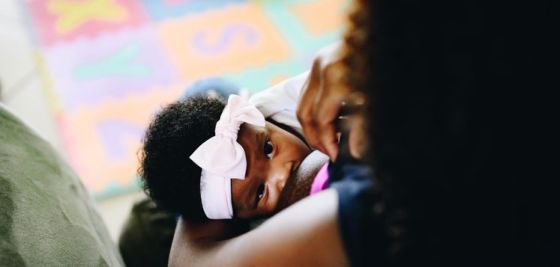
Picture this: It’s a hot summer day, and you're scrolling through your feed. Among the memes and celebrity gossip, a post catches your eye. It’s a Black mother, proudly breastfeeding her baby in public with the hashtag #NormalizeBreastfeeding. What seems like a simple image holds a story centuries in the making, a narrative of resilience, resistance, and reclamation.
Breastfeeding might seem like a basic, even instinctive act, but for Black women, it’s intertwined with a history of exploitation and a path to self-empowerment. Once upon a time, our foremothers were forced into wet-nursing, feeding and caring for their enslavers' children at the expense of their own. This historical trauma has echoes that still resonate today. The legacy of forced wet-nursing left a mark, and for many Black women, this contributed to a complicated relationship with breastfeeding.
Fast forward to the present, it’s not just about feeding a baby. It’s about reclaiming our power and rewriting the script on our own terms. It’s a cultural movement, a statement that we are owning our bodies and decisions. According to the CDC, Black women still face challenges, from securing lactation support to combating societal stigma. Yet, the tide is turning, and the conversation is shifting.
Breastfeeding is medicine. It's known to lower the risks of certain infections and diseases for both mothers and babies. But more than that, it’s a powerful connection. For Black women, it’s a chance to heal and create a legacy of health for future generations. In August, during National Breastfeeding Month, we celebrate this journey and the victories won along the way.
We’ve faced down societal barriers before, from the workplace to the media, and breastfeeding is the latest battleground. We’re seeing more public figures and influencers speaking openly about their breastfeeding journeys. These stories humanize the experience and inspire others to embrace it. When Serena Williams talks about her struggles with breastfeeding, it reinforces the truth that this journey is complex but rewarding.
Yet, it’s not all rosy. The formula industry has long targeted Black communities, pushing the narrative that formula is more convenient or even better. Marketing tactics have been relentless, leaving many women feeling inadequate if they can’t or choose not to breastfeed. It’s a reminder that choice should be celebrated, but not manipulated.
So what’s the real tea? For one, the push to reclaim breastfeeding is a reflection of broader cultural shifts in Black communities. We’re not here for being told what to do with our bodies or how to feed our children. We’re claiming space and redefining norms. This movement is about community support. Lactation consultants, breastfeeding support groups, and social media have become essential resources for many Black mothers navigating this path.
Historically, our role as caregivers was imposed on us, but now, it's a choice we're making for ourselves and our families. The movement is about saying, “We see you, we support you, and we celebrate you.” It’s about reconnecting with ancestral practices and valuing our bodies in their entirety.
What does this mean for the culture? It’s a step toward autonomy and agency. It’s a way to combat health disparities and build stronger family units. It’s about resilience,the kind that hip-hop embodies, the kind our ancestors lived every day. This cultural shift is a testament to our strength and our will to thrive on our own terms.
Looking forward, the goal is to see more policies that support breastfeeding mothers, such as paid family leave and lactation accommodations in the workplace. We need the conversation to continue to grow, not just in August, but every day. We should watch for more voices, more stories, and more change. Because when Black women lead, movements follow, and societal narratives shift. This is about creating a future where every Black mother feels empowered to make the best choice for her and her child without judgment or limitation.