Cam'ron's Front-Row Seat at the Keffe D Trial: Why It Matters
By Tanya Brooks, PowerVault Staff The courtroom was buzzing with an electric tension that only a high-profile case can command. A sea of faces, some familiar and some notorious, filled the seats. This wasn't just a re...
By Tanya Brooks, PowerVault Staff
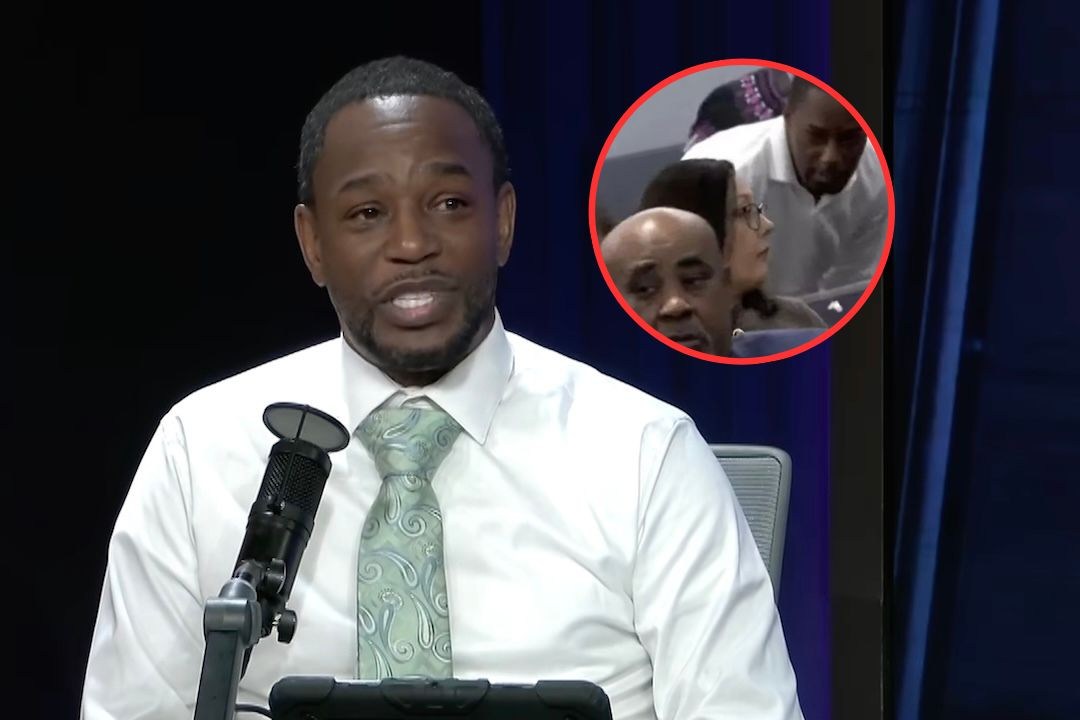
The courtroom was buzzing with an electric tension that only a high-profile case can command. A sea of faces, some familiar and some notorious, filled the seats. This wasn't just a regular trial; it was a spectacle. Cam'ron, better known as the Harlem legend from Dipset, sat observing the proceedings with an intensity that mirrored the gravity of the moment. The trial in question? The infamous Keffe D, embroiled in the long-running saga surrounding the murder of Tupac Shakur.
For those who are new to the conversation, Keffe D, whose real name is Duane Keith Davis, has been implicated in the case of Tupac's tragic murder since the late '90s. The air was thick with anticipation as Cam'ron watched, a stark reminder that the East Coast-West Coast beef isn't just rap folklore but a dark chapter in hip-hop history. Cam's presence at the trial shows the weight this case holds within the hip-hop community.
Cam'ron broke down his experience at Keffe D's trial in a recent interview, shedding light on what it meant to witness such a turning point in hip-hop history unfold in real time. His insights offer more than just a fan's perspective; they provide a lens into how the culture grapples with its past and how justice is served, or sometimes evaded, in these stories.
In a candid discussion, Cam'ron shared his thoughts on the trial's atmosphere, the testimony that unfolded, and the implications for hip-hop's legacy. You can catch his in-depth take on the trial below.
Now, let's get into why Cam's presence and commentary carry weight. Here is a man who has seen the evolution of the rap game, from its gritty New York roots to its global domination. Cam'ron's career began in the late '90s, riding the wave of East Coast hip-hop's resurgence; a time when the streets dictated the culture. His firsthand experiences make him an authoritative voice on matters involving the tectonic shifts within the industry.
The trial of Keffe D isn't just a legal proceeding. It's a reflection of unresolved tensions and the grim reality of violence that has claimed far too many lives in hip-hop. The murder of Tupac in 1996 remains one of the most talked-about cases in music history, not just because of the legendary status of the victim but because of the murky waters surrounding it. Many believe this trial might finally bring some semblance of closure to a case that has been tangled in conspiracy theories for decades.
Our community knows that the streets have a way of catching up to those who play by their rules for too long. The trial has put a spotlight back on these unsolved mysteries within hip-hop, forcing us to look at what systemic issues allow them to persist. While mainstream media might reduce it to sensational headlines, the hip-hop community understands the deeper implications.
Cam'ron's reflections highlight the complexities of justice at a time when power dynamics are often skewed. Keffe D's trial is more than just a measure of legal guilt or innocence; it's a reminder of how the hip-hop community has often been let down by the systems designed to protect us. How can we trust a justice system that has historically turned a blind eye to our cries?
The discussion below offers a window into Cam'ron's perspective on how these trials are perceived and the broader impact on hip-hop culture.
What does it say about the industry and those who wield power within it? The truth is hip-hop has long been a reflection of society's underbelly, a mirror to its disparities and injustices. What happens in those courtrooms doesn't just stay within four walls; it's broadcasted and dissected, impacting how future generations of artists and audiences understand their role in this cultural ecosystem.
For the young heads out there, the trial is a teachable moment. It's a reminder that the past isn't as distant as it seems. Hip-hop always remembers, and we carry both the triumphs and tragedies forward. Cam'ron's insights, seen here in his Instagram post, give us a raw glimpse into the emotional and cultural layers at play.
Cam’s commentary isn't just for show; it's a call to analyze how these icons are remembered and how the narratives around their lives are shaped. Tupac was more than an artist; he was a revolutionary, a voice for the voiceless. Understanding the trial's place in today's hip-hop scene requires us to recognize these figures' multi-dimensional contributions.
From a cultural standpoint, this trial serves as a bookmark on where we've been and how far we need to go. The industry needs to reckon with its ghosts, but so do we as a community. We've seen too many of our greats fall without justice, and it's a cycle that needs breaking.
The trial has put a spotlight back on these unsolved mysteries within hip-hop, forcing us to look at what systemic issues allow them to persist.
As the trial continues, the world is watching. What comes next is uncertain, but the conversations it sparks are necessary. They push us to question the status quo, to challenge a system that too often fails those who built it up from the ground.
We should all keep our eyes peeled and ears open as the trial progresses. The outcome will inevitably reverberate through the fabric of hip-hop and beyond. Whether justice is served in the courtroom or in the streets, one thing is certain: the culture will remember.