By Marcus Ellison, PowerVault Staff
The air in Loudon County, Virginia was charged with confusion and despair on that chaotic Sunday night when police responded to a shocking shooting. As the sirens wailed through the darkened streets, the news broke that Mia Bieniemy, the wife of Kansas City Chiefs assistant coach Eric Bieniemy, had been shot multiple times by their own son. This tragic event is not just an isolated incident; it resonates deeply within the sports community and raises questions about the hidden challenges faced by Black families in high-pressure environments like the NFL.
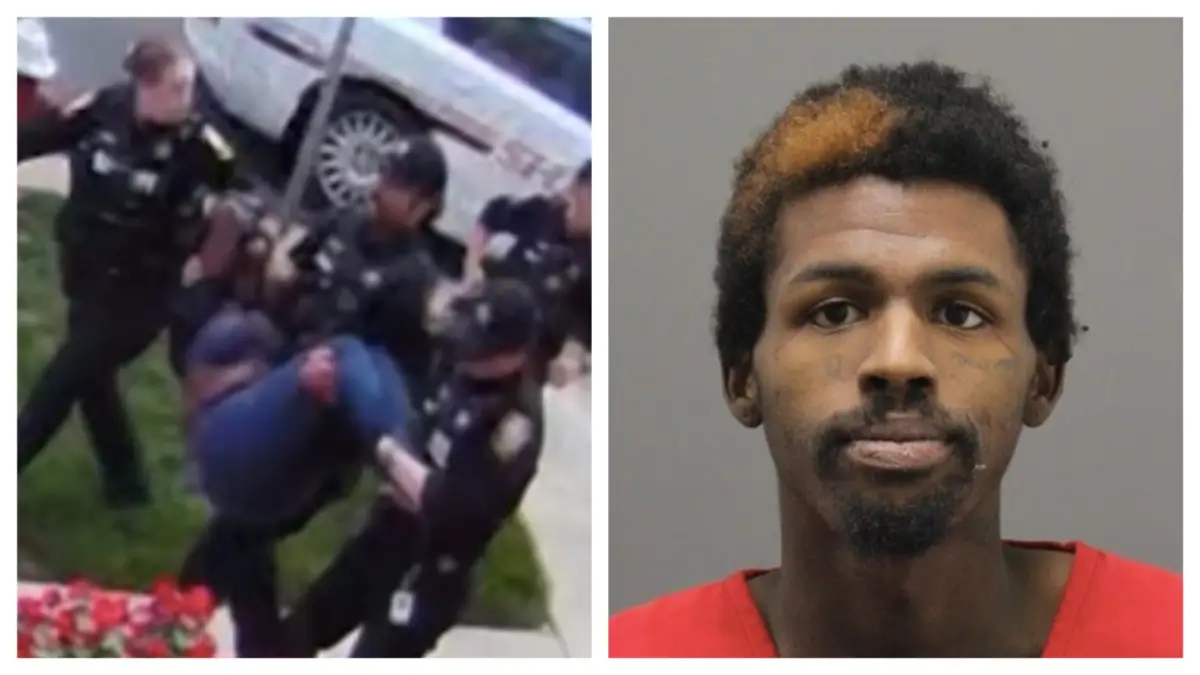
In the wake of the incident, video footage emerged, revealing the frantic moments surrounding this family crisis. Mia Bieniemy was quickly transported to the hospital, where her condition reportedly stabilized. But beneath the surface of this tragic narrative lies a complex web of emotions, societal expectations, and family dynamics that are rarely discussed outside the confines of locker room banter or glossy magazine spreads.
It’s easy for many to dismiss this as just another celebrity family drama, but it’s much deeper than that. The NFL, and sports in general, often casts a shadow over the personal lives of its players and coaches, particularly for Black families. The pressure to succeed, compounded by the visibility that comes with such high-profile roles, can create turbulent waters at home. The expectations placed on successful Black athletes can sometimes lead to unrealistic standards for their families, who are left to navigate the aftermath of fame and fortune.
As fans, we often celebrate the victories and accolades of athletes like Eric Bieniemy, but we seldom reflect on the internal struggles they face. The pressure to perform at the highest level comes with a price, one that includes sacrificing personal happiness, mental health, and family stability. This incident serves as a stark reminder that behind the bravado of the NFL and its larger-than-life figures lies a reality that can be as damaging as any loss on the field.
Eric Bieniemy’s journey to becoming a prominent figure in the NFL has been marked by both triumph and adversity. As a Black coach in a league still grappling with systemic racism, he stands as a beacon of hope for many aspiring young athletes. However, the expectations placed upon him are often heavier than those placed on his white counterparts. The added scrutiny can create an environment where familial relationships are tested under immense pressure.
The shooting incident raises critical questions about how the community supports Black families in sports. There is a stigma that often discourages open discussion about mental health, particularly in the Black community. This can lead to tragic outcomes when issues go unaddressed. As a society, we need to do better by creating spaces for dialogue,spaces where the weight of expectations can be shared without shame or judgment.
The dynamics within the Bieniemy household,and by extension, many families of athletes,can reflect a microcosm of broader societal issues. The intense scrutiny faced by Black athletes often trickles down to their families, leading to profound impacts at home. Just as individuals are expected to represent their teams and communities on the field, so too are their families expected to uphold such standards off it. This pressure can warp family relationships, leading to situations that become untenable.
In many ways, the NFL is emblematic of America's systemic issues. The league has often been criticized for its treatment of Black players,not just in terms of contracts and opportunities, but also in how it handles off-field matters. When incidents like the Bieniemy shooting occur, they serve as stark reminders that the struggles faced by athletes and their families extend beyond the game itself. This is not merely an incident of violence; it's indicative of the larger societal issues that continue to plague the Black community.
Tragedies like this compel us to confront uncomfortable truths about how we discuss mental health, family dynamics, and support systems within the realm of sports. Time and again, we see that the media focuses on the sensational aspects of a story while neglecting the deeper, systemic factors that contribute to such crises. It falls upon us,fans, media, and members of the community,to shift the narrative. Rather than merely looking for headlines, we should seek understanding.
As Eric Bieniemy and his family navigate the emotional fallout from this incident, it is crucial for the sports community and society at large to rally around them, not just in times of tragedy, but as a call to action. There needs to be a commitment to foster healthy discussions about mental health in sports, particularly within the Black community, where these conversations have historically been sidelined.
The fallout from this shooting will likely reverberate through the corridors of the NFL, as discussions about mental health and family pressures come to the forefront. As the league grapples with its image and its role in the lives of its athletes and their families, it must also contend with the reality of violence and mental health issues that are far too common in high-pressure environments.
Going forward, it is essential that the sports community takes a stand. It is no longer sufficient to ignore the personal struggles that so many athletes face in silence. The Bieniemy family’s tragedy should serve as a catalyst for increased advocacy for mental health awareness, family support systems, and open dialogues about the pressures of living under the spotlight.
As for Eric Bieniemy, he will undoubtedly face scrutiny in his professional life following this incident, but the true measure of his strength will be how he leads his family through this storm. For the wider community, this incident is more than just a heartbreaking story; it is a challenge to create a culture where Black families can thrive without the burden of stigma and silence. The sports world is watching, and now is the time for change.