Chance The Rapper Calls Out J. Cole: Where's the Energy for Kanye?
By Simone Walker, PowerVault Staff The air was thick with anticipation when J. Cole dropped his latest track, "Snow on tha Bluff," a reflective piece that suggested he was finally ready to engage in the ongoing conver...
Advertisement

By Simone Walker, PowerVault Staff
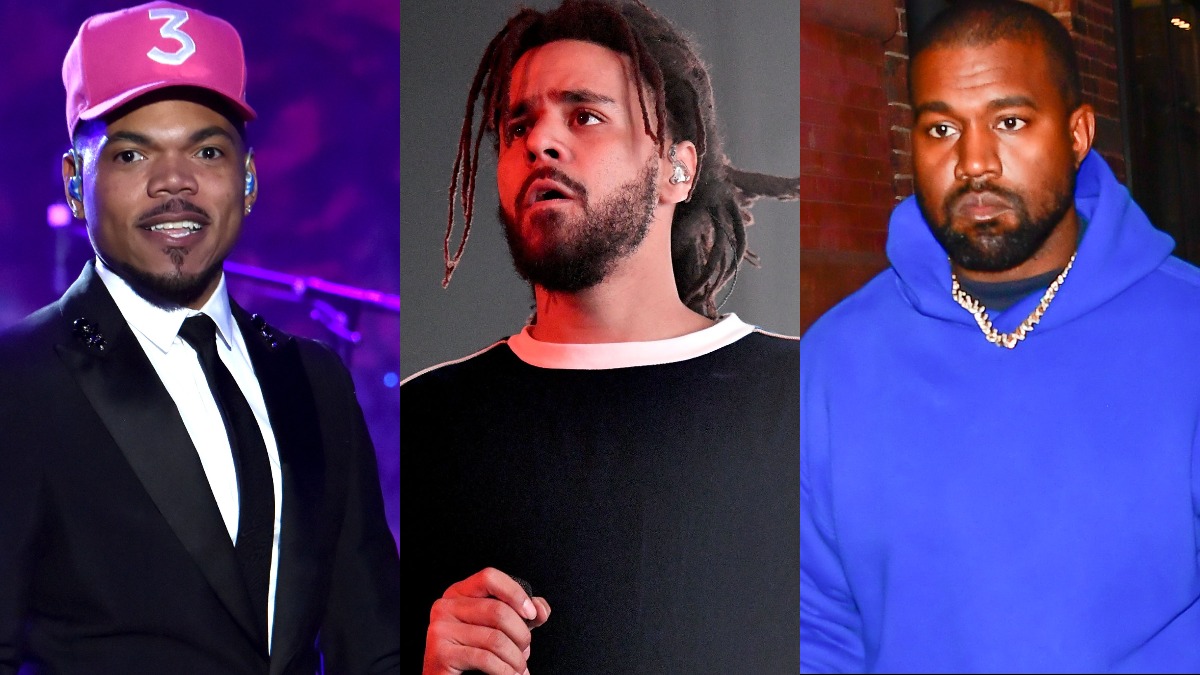
The air was thick with anticipation when J. Cole dropped his latest track, "Snow on tha Bluff," a reflective piece that suggested he was finally ready to engage in the ongoing conversations about race and activism. But rather than being celebrated, Cole's song ignited a firestorm of controversy that spilled over onto social media, with Chance The Rapper leading the charge against him, calling out what he sees as hypocrisy. The clash between these two Chicago natives doesn’t just raise eyebrows; it reveals deep-seated frustrations and expectations that many fans have about celebrity activism.
Initially, J. Cole's song aimed to address his own hesitations and insecurities about activism, particularly in the wake of the protests ignited by George Floyd’s death. Many were touched by his introspective style, but it didn’t take long for the critique to surface. Noname, a fierce and unapologetic voice in the hip-hop community, earlier had called out fellow artists for their silence during critical moments. Her challenge was clear: if you’re going to use your platform, then show up for those who need it.
Enter Chance, who seemingly jumped into the fray with a Twitter post that questioned Cole’s timing and sincerity. Chance's critique was twofold. He first respected Cole’s artistic expression, then flipped the script, asking why he hadn’t maintained the same energy for Kanye West when he was publicly dancing with the agenda of the Trump administration. In a moment where fans were expecting solidarity, Chance threw the whole situation into disarray, underscoring the challenge many fans face when trying to reconcile their admiration for artists with their actions.
What stands out here is the trend of artists grappling with their place in the social justice landscape. The expectation that celebrity voices should consistently echo the sentiments of the streets is nothing new, but it’s increasingly amplified in an age where social media shapes narratives faster than any album release. Cole’s approach in “Snow on tha Bluff,” which operates from a place of introspection, appears to be more of a personal grappling with the feelings around activism than a call to arms, leading to the question: does this kind of self-reflection serve the community, or is it merely a moment of self-indulgence?
It's crucial to analyze the contrasting responses to both Cole and Kanye as they pertain to social justice. Kanye, who has faced significant backlash for his controversial statements,including the infamous claim that slavery was a choice,has yet to receive the same kind of public accountability that many expect from figures like J. Cole. The disparity raises eyebrows and questions about how we hold our icons accountable based on their actions or perceived loyalties. This inconsistency often leaves fans feeling a little betrayed and leads to a broader reflection about the responsibilities of celebrity in activism.
But let’s get to the heart of it: why should fans even care what these artists say or do? The answer lies in the unique positioning of Black celebrities as both cultural icons and community representatives. When they rise to prominence, they are often thrust into roles that come with expectations beyond music or performance. They become symbols of hope, resistance, and expression. When someone like Chance calls out J. Cole while also extending an olive branch, he’s engaging in a larger conversation about the collective responsibility to uplift and support one another, particularly within the Black community.
As the conversation continues, reactions are split. Some fans are here for the critique,they appreciate Chance holding J. Cole accountable. Others argue that targeting fellow artists creates divisions that hinder progress. It's as if the culture is caught in a tug-of-war: on one side lies artistic integrity and personal expression; on the other, a pressing call for accountability. This tension isn’t just a moment; it’s part of a larger narrative about how individuals navigate their celebrity status while remaining connected to their roots.
The juxtaposition of these two artists has the potential to serve as a learning moment for fans and artists alike. Cole's reflective style can coexist with sharp critiques from peers like Noname and Chance, pushing the boundaries of how artists perceive their roles in the ongoing fight for racial justice. When artists engage authentically, fans benefit, and this can ultimately strengthen community ties.
Advertisement
In this complex web of expectations, the challenge for artists lies in how they decide to wield their influence. For fans, it’s about holding these figures accountable while also recognizing the nuances of their journeys. As the culture continues to evolve, the responsibility to engage does not fall on artists alone. It’s a shared journey, and the discourse between them and their audiences can lead to profound change.
Moving forward, we must encourage transparency within the industry while sustaining the conversations that challenge the status quo. Expecting artists to navigate these turbulent waters means acknowledging their humanity, but it also means holding them accountable when they falter. It forces a dialogue that can either tear down walls or build bridges,one tweet, one track at a time. So, as fans dive into the lyrical depths of J. Cole’s new song or dissect Chance’s critiques, it’s essential to keep the conversation alive. Let’s not just react; let’s engage and evolve. There’s work to be done, and each voice matters.