Chance the Rapper Wins Legal Battle: What It Means for Artist-Manager Relations
By Simone Walker, PowerVault Staff In the bustling corridors of Chicago's Cook County Circuit Court, the air was thick with anticipation and tension that only a high-stakes legal battle can bring. Chance the Rapper, a...
By Simone Walker, PowerVault Staff
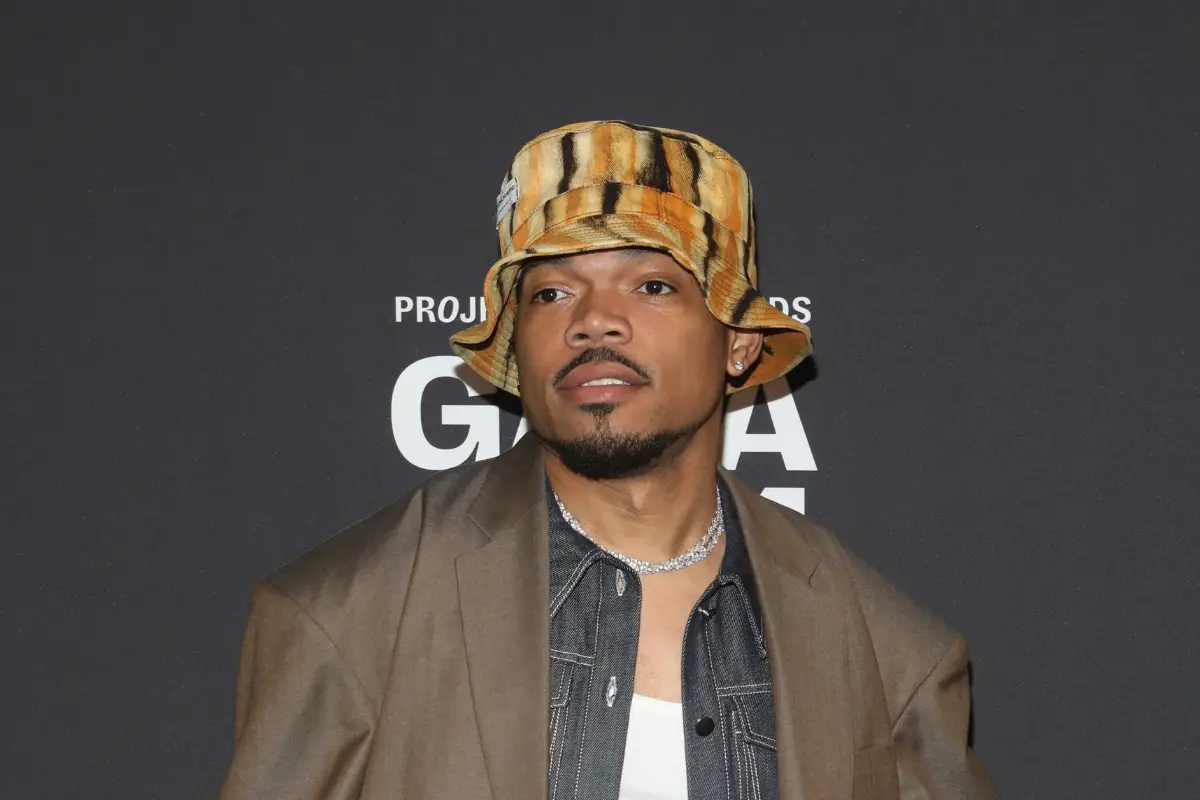
In the bustling corridors of Chicago's Cook County Circuit Court, the air was thick with anticipation and tension that only a high-stakes legal battle can bring. Chance the Rapper, a beloved son of the Windy City, had been embroiled in this courtroom drama with his former manager Pat Corcoran for what felt like an eternity. But this was about more than just dollars and cents, it was about principle and setting things right. On a crisp October morning, the judge finally ruled in Chance's favor, bringing yet another chapter in this complex legal saga to a dramatic close. For Chance, this is more than a legal victory; it was a personal triumph, proof of his resilience and determination.
This latest win for Chance comes months after a jury initially awarded him a mere $35 in a courtroom battle that seemed more about principle than the payday. This time around, the stakes were undeniably higher. According to a detailed report from Rolling Stone, Judge James E. Hanlon Jr. Ordered Corcoran to fork over undetermined profits from merchandise sales that he allegedly collected on the sly. Corcoran's breaches went beyond the typical managerial missteps, involving secret side payments from merchandise vendors that Chance claims he was never made aware of. It was a breach of trust that couldn't be ignored, highlighting the murky waters of artist-manager relationships.
It's a tangled web that these two found themselves in, but at the heart of it lies the court's directive for Corcoran to hand back 15% in management commissions, along with the domain chanceraps.com to its rightful owner, Chance himself. This move marks a significant turn in a conflict that began back in 2020. That's when Chance fired Corcoran amid serious claims of misconduct and financial mismanagement, allegations that cut to the core of what a manager is supposed to do: look out for their artist's best interests. The court's decision not only aims to rectify past wrongs but also sets the stage for how these relationships should be managed moving forward.
In a twist that adds layers to this already complex case, the court acknowledged the absence of a written management agreement between Chance and Corcoran. Their verbal deal, which kicked off in 2012, clearly unraveled as time went on, leading to this multi-million-dollar dispute that landed them in court. Corcoran had previously sought a whopping $3.8 million in unpaid commissions, arguing that he was entitled to a share of income even after their professional relationship had ended. However, the jury wasn't buying it, awarding a symbolic $35 to Chance, shedding light on how fraught these verbal agreements can be. This case serves as a cautionary tale about the pitfalls of not having explicit contracts in place.
Meanwhile, Chance's representatives are optimistic as they eye a potential recovery of as much as $1.5 million in management fees, alongside vendor payments, a significant leap from the initial $35 ruling that left many scratching their heads. The finer details and exact figures are set to be determined in a court conference come November, where both parties will continue to hash out the specifics. Dive deeper into this legal back-and-forth in the video below, as the story unfolds and the stakes continue to rise. It's a complicated dance of numbers and legal jargon, but one that Chance and his team seem to be handling with precision.
This isn't the first time an artist-manager relationship has imploded so publicly, and it likely won't be the last. Remember when Lupe Fiasco and his manager Charles "Chilly" Patton got entangled in lawsuits over album delays and financial disputes back in the mid-2000s? Or when Nas and Steve Stoute's professional split turned messy over similar money matters? These stories echo a common refrain in the music business: verbal agreements pave the way for legal nightmares, leaving artists vulnerable and often in precarious positions. It's a cautionary tale that shows the need for clear, written contracts to prevent these disputes from escalating to such public and damaging heights.
: trust in this industry is a luxury few can afford.
Chance's win is a reminder that loyalty in this game is rare, and trust is the real currency.
For Chance, this win represents a moment of vindication, not just legally but personally as well. It's a stark reminder that loyalty in this game is rare, and trust is the real currency that artists need to safeguard. This case might lead artists to reconsider how they enter into agreements, recognizing the critical value of protecting their interests with clear, written contracts. Chance's case sets a precedent that verbal deals are shaky ground, especially when millions are on the line. Artists watching from the sidelines are likely taking note, understanding that a handshake isn't enough when it comes to securing their future and their legacies.
On a larger scale, this case shines a spotlight on ongoing issues in artist-management dynamics. The hustle for merch money isn't a new game, but it's become a vital revenue stream in an era where streaming pennies dominate the scene. As more artists shift to independent routes, understanding the nuances of these relationships becomes crucial. Chance's saga is a wake-up call for artists to keep an eye on revenue streams that managers might find tempting to dip into. It's about knowing your worth and ensuring that every dollar generated is accounted for and goes where it's supposed to, safeguarding the financial health of their careers.
For the community, Chance's victory is more than just a personal win; it speaks to resilience and empowerment on a broader scale. At a time when young Black entrepreneurs are often taken for a ride, his steadfastness in pursuing justice resonates deeply. It's a win for every artist who's had to fend off exploitative practices and proof of the power of perseverance. This legal battle not only strengthens Chance's standing but also offers a blueprint for handling similar struggles. It's a story of standing up against the odds, fighting for what's right, and setting a precedent that others in the community can look to for guidance.



