
Chance The Rapper's $1.5M Win: What It Means for Artists and the Industry
By Tanya Brooks, PowerVault Staff In the whirlwind of the courtroom, Chance The Rapper stood tall, reflecting on years of artistic evolution and personal growth. The echoes of the verdict reverberated through the room...
Advertisement
By Tanya Brooks, PowerVault Staff
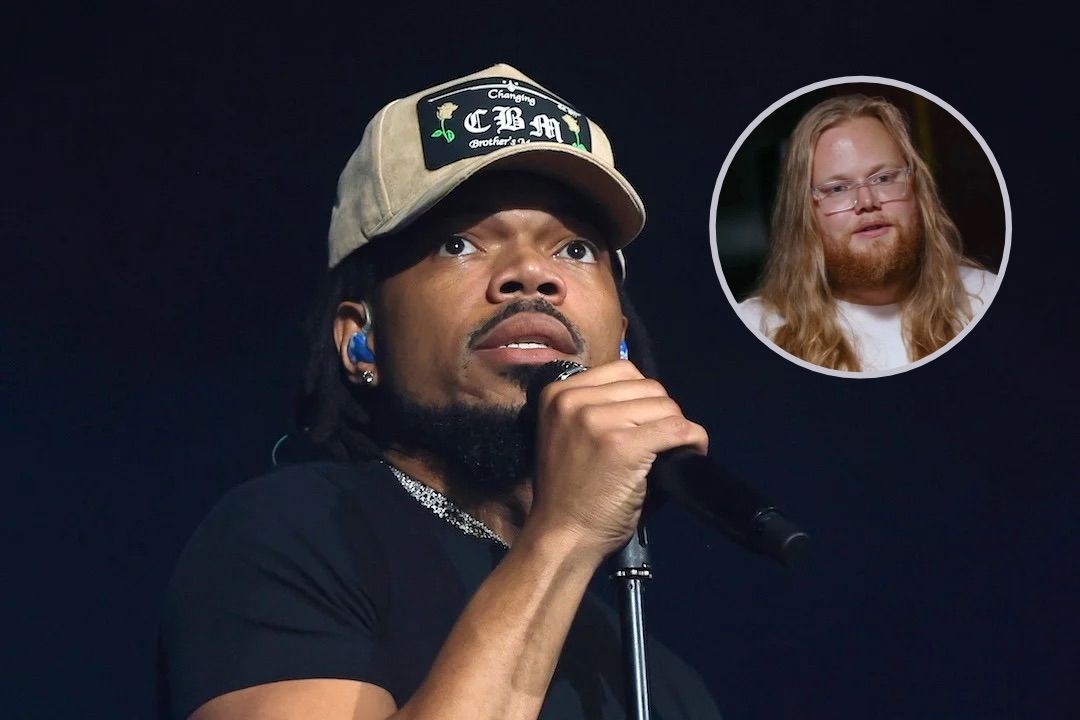
In the whirlwind of the courtroom, Chance The Rapper stood tall, reflecting on years of artistic evolution and personal growth. The echoes of the verdict reverberated through the room: a $1.5 million victory over his ex-manager Pat Corcoran. Yet, this triumph isn't just about the cash. It's a powerful statement in an industry where power and control often overshadow the true essence of creativity. For Chance, this isn't merely a legal win; it's a stand against the exploitation that many artists face behind closed doors. By challenging these dynamics, Chance is setting a standard, pushing for a level playing field where artistic integrity is respected and protected, not trampled by those with ulterior motives.
Billboard reports that Chance, born Chancelor Bennett, emerged victorious in his second legal showdown against Corcoran on October 13. The court found Corcoran guilty of breaching his fiduciary duties, secretly pocketing side payments from merchandise vendors. This ruling came after an earlier March decision, where a Cook County jury awarded Chance a mere $35, acknowledging a breach of contract but leaving the larger issues unresolved. That symbolic award highlighted the complexity of the situation, underscoring the need for further legal scrutiny. Chance's latest victory, therefore, is not just about recovering funds but about correcting the narrative, ensuring that his contributions and trust are not taken for granted by those supposed to support his career.
The court's latest ruling, as reported by XXL, spotlighted Corcoran's mismanagement, compelling him to repay the 15% commissions he earned illegitimately. This judgment wasn't just a financial order; it was a public denouncement of Corcoran's actions. The transparency that Chance demands in his career was mirrored in this case, as the court laid bare the deceptive practices that had been concealed. Chance's frustrations and his unwavering commitment to transparency were palpable, further emphasized by the raw emotion captured in videos of his reaction. This moment is proof of Chance’s dedication to fairness and his refusal to be a silent victim in an industry rife with exploitation.
Pat Corcoran, once the architect behind Chance's rising career, let self-interest eclipse loyalty and ethics. Judge James E. Hanlon Jr. Delivered a stern rebuke, making it clear that any ambiguity concerning payments would be resolved against Corcoran, whose bookkeeping was anything but transparent. This decisive action by the court shows a crucial point: accountability is non-negotiable in management. Management isn't just about guiding an artist's career; it's about stewardship and trust. Corcoran's failure to uphold these principles highlights the pressing need for artists to surround themselves with individuals who prioritize integrity over financial gain, ensuring that the artist's best interests are always at the forefront.
Chance's attorney, Precious S. Jacobs from Jenner & Block, emphasized the broader implications of this case. She articulated that the court's ruling set a legal precedent recognizing that managers owe fiduciary duties to their artists. This is more than a victory for Chance; it's a landmark decision that could reshape artist-manager relationships across the industry. Jacobs highlighted how this case serves as a warning to managers who might consider exploiting their artists. Chance's triumphant reaction, captured in an Instagram post, is not just personal vindication but a rallying cry for artist rights. His resolve and advocacy are paving the way for a future where transparency and fairness are foundational, not optional, in the music industry.
This isn't Chance's first battle for artistic freedom. Remember his groundbreaking 2016 move, releasing 'Coloring Book' as a streaming-only project that earned a Grammy? That move shook the industry, challenging the traditional models of music consumption and distribution. Chance has consistently pushed against the grain, championing the cause for complete ownership and control over his art. His latest victory in court is a continuation of this fight, echoing the struggles artists like Master P and others have faced when their integrity was on the line. Chance's journey is a beacon for those who refuse to compromise their artistic vision for the sake of industry norms and expectations.
This is more than a courtroom victory; it's a cultural shift.
Chance's victory isn't just about money; it's a blueprint for artists fighting for integrity and independence.
Chance's victory isn't just about the money; it's a blueprint for artists who are fighting for integrity and independence in an industry that often treats them as mere commodities. Many artists find themselves caught in a web of control spun by managers and label executives who prioritize profits over artistry. Chance's stance is a powerful call to action, inspiring artists to demand accountability and transparency from those who manage their careers. His fight shows the importance of artists understanding the business side of their careers. It's a stark reminder that while creativity and talent are crucial, handling the industry's complexities with eyes wide open is equally important to safeguard one's artistic legacy.
For the music industry, this case sends a clear and unmistakable message: artists are waking up to their power. The old playbook of secret deals, shady contracts, and exploitation is rapidly becoming obsolete. With the rise of streaming services and social media platforms, artists now have more leverage than ever. The industry's gatekeepers must adapt to this new reality or risk becoming irrelevant. This shift echoes the changes seen when Lil Wayne challenged the norms in sports culture, signaling a broader transformation across various domains. The power dynamics are shifting, with artists reclaiming control over their narratives and careers, demanding the respect and fairness they've long been denied.
For the fans, particularly those handling the complexities of streaming platforms and viral fame, Chance's battle is a beacon of hope. His fight demonstrates that authenticity and steadfastness can triumph over corporate manipulation and exploitation. It reinforces the belief that the community values artists who prioritize principles over profit, who refuse to compromise their integrity for commercial gain. The culture thrives when artists like Chance stay true to their roots, challenging the status quo and advocating for a fairer, more equitable industry. This case is a reminder that fans play a crucial role in supporting artists who dare to stand up for what's right.
Advertisement
Beneath the surface, this case gets into the intersections of race, class, and power within the music industry. As a Black artist in a predominantly white industry, Chance's fight highlights the systemic inequities that continue to exist. It's a challenge to the entrenched norms about who holds power and how it's wielded. This narrative isn't just about Chance; it's a broader commentary on the ongoing struggle for equity and justice in all arenas. It parallels the discussions around Jalen Hurts' struggles in the NFL, underscoring the need for systemic change. Chance's victory is a call to action for those who seek to dismantle these inequities and create a more just and fair environment.
Moving forward, Chance's story is one to watch closely. Will his legal victory inspire other artists to confront their own management and label injustices? This win has the potential to ignite a wave of empowerment among artists, encouraging them to stand up for their rights and demand fair treatment. As Chance continues to build his legacy, his triumph in court serves as a call to action for change, not just in the music industry, but in any field where power dynamics threaten to overshadow integrity and fairness. His victory is proof of the power of resilience and determination, a beacon for those who refuse to be silenced or subdued by unjust systems.
