Chandler Simpson: How His Speed Game Challenges MLB's Power Norms
By Andre Coleman, PowerVault Staff In the bright lights of postseason baseball, where every moment is magnified and every play could be the turning point, Chandler Simpson emerges as a unique force. The Tampa Bay Rays...
By Andre Coleman, PowerVault Staff
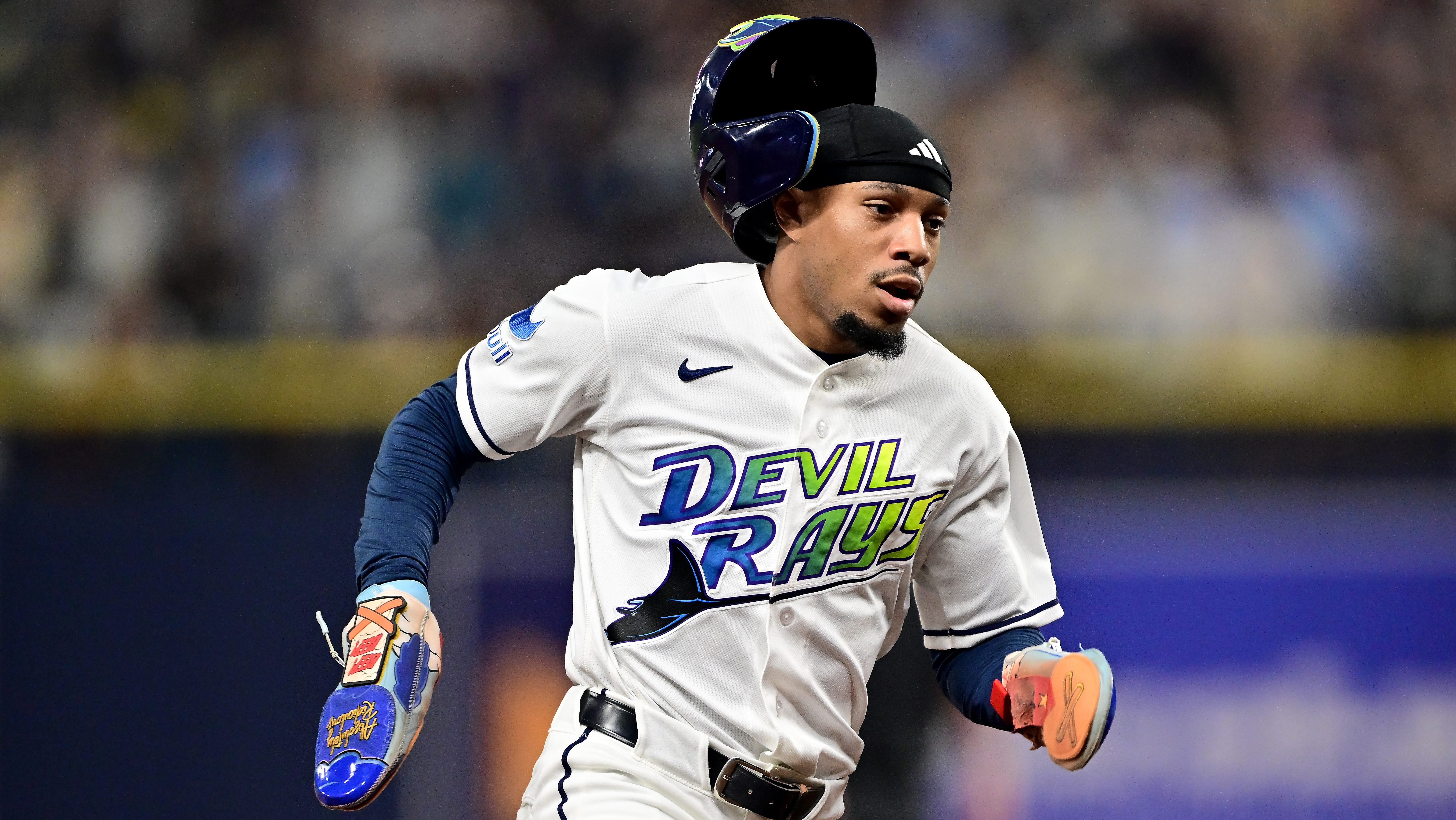
In the bright lights of postseason baseball, where every moment is magnified and every play could be the turning point, Chandler Simpson emerges as a unique force. The Tampa Bay Rays outfielder, a whirlwind on the basepaths and a constant threat with the bat, has turned the traditional power-centric model of baseball on its head. In an era where the game often measures success with the thunderous crack of a home run, Simpson's approach offers a refreshing alternative. His style isn’t just effective; it’s transformative, reintroducing the value of speed, precision, and intelligence in a game that often overlooks finesse for brute strength. He challenges the norm, reminding us that baseball's beauty lies in its diversity of talent and playstyles.
Simpson, at 25, embodies a baseball philosophy that many thought had dwindled into obscurity. His game is not about overpowering opponents with towering home runs; instead, he thrives on precision and speed. As reported by MLB, he led the American League with 46 stolen bases this season, proof of his ability to capitalize on the smallest openings. His nomination as a Gold Glove finalist further shows his defensive prowess. But his true value shines when he disrupts defenses, turning the ordinary into the extraordinary. In the American League Championship Series against Cleveland, his impact is palpable, as his disruptive ability has become a lifeline for the Rays. As they battle back from a 2-1 deficit, his presence is a reminder of how layered greatness can be.
With every infield hit that Simpson legged out, the Cleveland defense was forced to adjust, proof of his 'bat-to-ball' skills lauded by Rays manager Kevin Cash. His speed and precision force opponents to rethink their strategies, often leading to mistakes. Simpson's infield hit in Game 2 set off a chain of errors, resulting in three unearned runs for Tampa Bay. This strategic playstyle isn’t just a personal victory; it’s a throwback to a more dynamic era of baseball when the game was as much about evasion and cunning as it was about power. Simpson embodies this ethos, creating chaos on the field that disrupts the rhythm of the opposing team. The video below captures one of these major moments, where his hustle turned the game on its head.
Chandler Simpson is not just a product of his own discipline but of the culture and community that raised him. Growing up in Atlanta, a city renowned for nurturing Black baseball talent, Simpson was part of the Marquis Grissom Baseball Association. This organization, founded by former major leaguer Marquis Grissom, played a pivotal role in his development and has been a launchpad for many young talents. Figures like Michael Harris II of the Atlanta Braves have also emerged from this community, highlighting the critical importance of community-led initiatives in fostering athletic success. These programs provide not only the technical skills but also the mentorship and support that are vital in handling the challenges of a professional sports career.
His upbringing in Georgia, guided by the principles instilled by his parents, Drs. Ralph and Edye Simpson, shaped his understanding of discipline and work ethic. Growing up in a household where education and commitment were prioritized, Chandler learned early on the value of persistence and dedication. These values, coupled with his passion for the game, have allowed him to thrive in a sport often defined by its rigid parameters. His success is proof of the idea that success in baseball is not a one-size-fits-all equation. The clip below further illustrates his speed on the bases, a skill honed through years of dedication, reflecting the tireless work ethic instilled in him by his parents.
Chandler Simpson's career is part of a larger narrative, one that challenges the prevailing trends in Major League Baseball. Since the home run craze of the late '90s, with sluggers like Mark McGwire and Sammy Sosa captivating audiences with their power, the sport has heavily tilted towards power. But Simpson's approach is reminiscent of players like Rickey Henderson and Lou Brock, who excelled by wreaking havoc on the basepaths. It’s a style of play that requires not just speed, but intelligence and timing, traits often underrepresented in today’s metrics-heavy analysis. This narrative challenges the current metrics that prioritize power, urging a reevaluation of what constitutes value and skill in baseball. Simpson's rise encourages a broader understanding of talent, appreciating the complicated and strategic aspects of the game.
Simpson represents a rediscovery of the game’s roots, a style many thought had been lost to time.
Simpson represents a rediscovery of the game’s roots, a style many thought had been lost to time.
His impact extends beyond the diamond. For young Black athletes, especially, Simpson is a beacon of possibility in a sport that has seen declining African-American participation. His journey is a powerful reminder of the diverse skill sets that can thrive in baseball, offering a narrative that challenges the constraints of traditional expectations. It's a message of empowerment, demonstrating that success is possible without conforming to mainstream expectations. In a culture where representation is not just needed but necessary, Simpson's story resonates deeply. He provides a template for young athletes who may feel marginalized or unrecognized in the current sports scene, reinforcing the notion that excellence comes in many forms and that there is space for varied expressions of talent and skill.
For Major League Baseball, Simpson’s rise challenges the league to reconsider its idols and ideals. As more athletes like him emerge, the sport faces a crucial opportunity to embrace a more inclusive definition of skill and talent. The industry would do well to nurture these varied playstyles, fostering an environment where athletes are celebrated for all forms of excellence, not just those that are easy to quantify in home run statistics. This shift could lead to a renaissance of diversity in playing styles and strategies, enriching the game for players and fans alike. It calls for a more holistic appreciation of what makes baseball exciting and competitive, recognizing the value of speed, agility, and strategy alongside power.
Fans and communities watching Simpson can draw parallels to other groundbreaking figures across sports. Just as Tyler, The Creator reshaped expectations in hip hop and fashion with his bold moves like the FC Barcelona takeover, Simpson’s journey offers a template for redefining possibilities and breaking barriers. His career is about mastering one’s own narrative, embodying craft and creativity in every step and swing. In doing so, he inspires others to challenge conventional wisdom and to explore new possibilities in their respective fields. His success is proof of the power of innovation and individuality, illustrating how stepping outside the norm can lead to groundbreaking achievements and forge new paths in the world of sports.