Coi Leray Opens Up About Beef with Latto and Family Drama
By Renee Fontaine, PowerVault Staff The lights in the studio were dim, but the tension was a spotlight all its own. For months, whispers circled the hip hop scene, and now Coi Leray was ready to air out the truth behi...
By Renee Fontaine, PowerVault Staff
The lights in the studio were dim, but the tension was a spotlight all its own. For months, whispers circled the hip hop scene, and now Coi Leray was ready to air out the truth behind her beef with Latto. While beef among artists isn't new, this was a clash that spoke to larger tales of rivalry, respect, and the unyielding pressures of fame. As Coi spilled details, it was clear: this wasn't just about two artists throwing shade.
Coi Leray, the New Jersey-born rapper who's been climbing the charts and dominating the TikTok streams, found herself in the headlines not just for her music, but for a heated exchange with fellow rapper Latto. It all began with a few social media jabs and escalated into a beef that had fans choosing sides. In an industry where women in hip hop often face uphill battles, this feud was a reminder of the challenges they endure, both from the public and each other.
In a candid interview, Coi revealed the roots of their disagreement, acknowledging that the beef was real but squashed now. The acrimony had been fueled by misunderstandings and the constant scrutiny that comes with their careers. She said it herself in the interview: "It's all love now, but it was really just a lot of pressure from the outside. You know how it is when people keep poking at something until it becomes bigger than it really is." This sentiment is one that echoes through the annals of hip hop history, where artists from Biggie and Tupac to Drake and Meek Mill have seen their conflicts magnified by external forces.
Latto, on the other hand, has been no stranger to controversy. Her rise in the industry has been marked by both breakout hits and public disputes. She comes from the same school of hip hop where beef can either make or break a career. Latto's been vocal about her own struggles in the game, acknowledging how public perception often twists personal grievances into public spectacles.
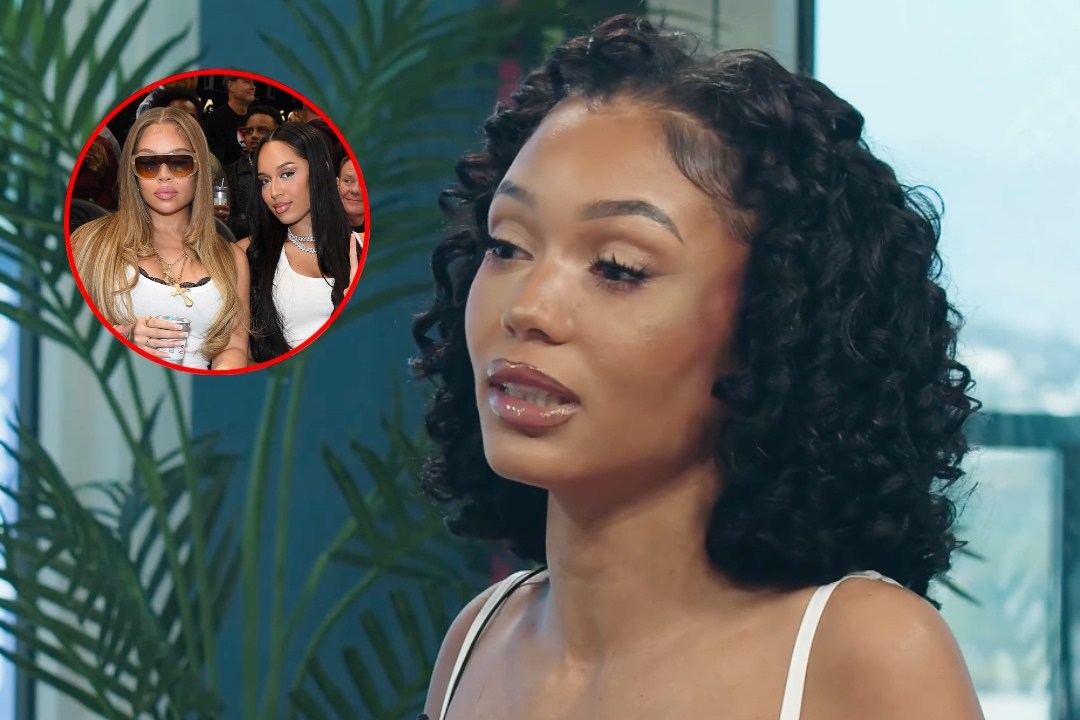
The clip of Coi explaining the situation is below, where she lays it out with clarity and poise.
But while Coi and Latto's beef might have been squashed, the drama didn't stop there for Coi. She also opened up about a physical altercation with her sister, shedding light on a family dynamic that adds another layer to her public persona. This revelation wasn't just about a sibling spat; it was a deeper dive into the personal toll that fame can take on familial relationships. In hip hop, family ties are often portrayed as sacred, yet they can be just as complicated and fraught as any public beef.
Too often, female artists in hip hop are pitted against each other in a way that feels almost scripted by industry executives and media narratives. This isn't just about Coi and Latto; it's a pattern that's engrained in the business. Think back to the Nicki Minaj and Cardi B saga or the countless comparisons drawn between Lil' Kim and Foxy Brown. The industry thrives on competition, but when it zeroes in on women, it often does so at the expense of solidarity and growth.
In the post below, Coi further addresses the personal and professional challenges she's faced. It's a moment of vulnerability that resonates with fans who've watched her grow from an emerging artist to a household name.
For Coi, this situation is an opportunity for growth, not just personally but professionally. Her ability to handle these turbulent waters speaks to her resilience and the support of a fanbase that values authenticity. In a genre that thrives on bravado, Coi's transparency is a breath of fresh air.
Yet, the industry machinery that feeds off these conflicts deserves a closer look. Hip hop has always been a platform for storytelling, catharsis, and community. But when the stories are spun into tabloid bait, the culture can suffer. The media's role in amplifying, and sometimes instigating, these beefs cannot be ignored. Like the feuds of old, today's conflicts are too frequently stoked by headlines rather than genuine grievances.
As the social dynamics within the hip hop community continue to evolve, the roles of race, gender, and class remain pivotal. It's not just about who can drop the hottest bars or the sickest beats. It's about handling an industry historically dominated by male voices, where women have to fight not only for equality but also for their narratives.
Coi's openness about her struggles and triumphs is a reminder of the authenticity that fans crave. She stands as a beacon for a new wave of artists who aren't afraid to show vulnerability alongside their strength. Hip hop is richer for it, and the community that supports these artists is stronger when it embraces both the music and the stories behind it.
The post below shows another side of Coi, reminding us that behind the beats and rhymes, these artists are real people with real lives.
So, what's next for Coi Leray? While the beef with Latto might be in the past, the future holds new challenges and opportunities. Coi continues to work on new music, pushing the boundaries of her sound and reaching out to her audience in ways that are both innovative and deeply personal. The lessons from this chapter are clear: in hip hop, as in life, relationships are complex, but they can also be the foundation for growth and powerful storytelling.
The next time we see two artists at odds, let's ask why and who benefits from the narrative. For Coi and Latto, their story is one of reconciliation and evolution, a testament not just to their artistry, but to their humanity.
