
Cordae's $25 Million Lawsuit: What's Behind His Clash with MMMG
By Marcus Ellison, PowerVault Staff Cordae finds himself in hot water, facing a hefty $25 million lawsuit from MMMG, a Florida-based record label that claims he's breached his recording contract. The dispute centers a...
Advertisement

By Marcus Ellison, PowerVault Staff
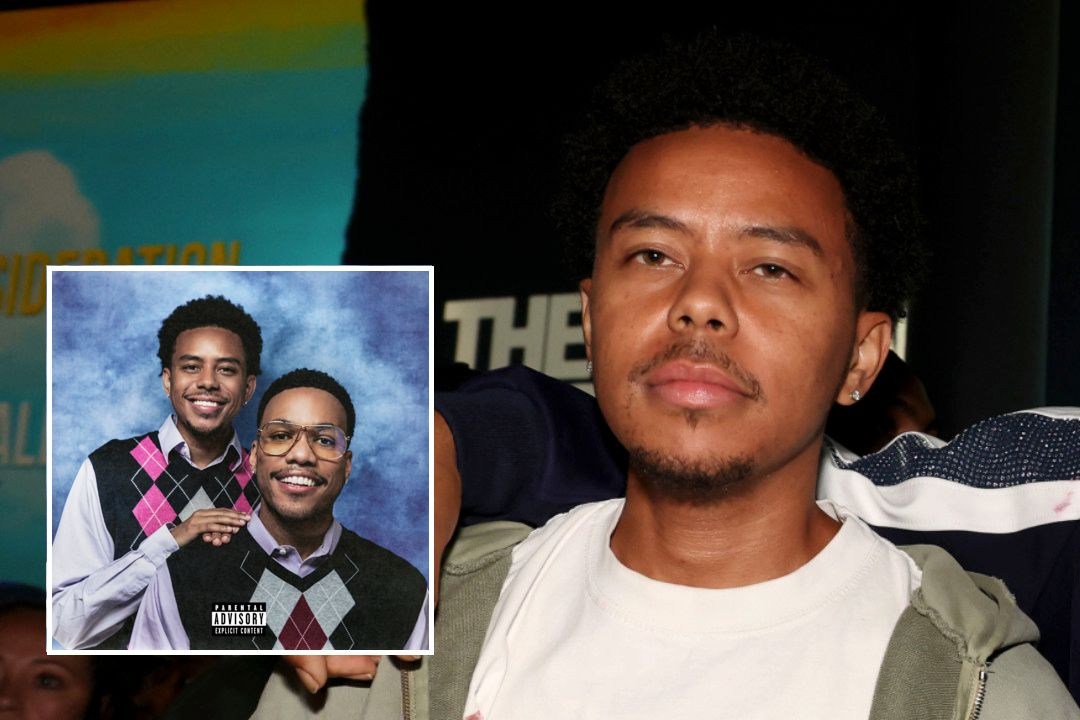
Cordae finds himself in hot water, facing a hefty $25 million lawsuit from MMMG, a Florida-based record label that claims he's breached his recording contract. The dispute centers around Cordae's collaborative album with Anderson .Paak, 'Heavy Is the Crown', set to drop any day now. MMMG is not playing games, alleging the album's release without their green light is a clear violation of Cordae's agreement. This is more than about a few missed signatures; it's about control and ownership in an industry where every move is scrutinized. MMMG is making it clear that they won't stand by while Cordae and Anderson .Paak potentially disrupt the balance of power by bypassing traditional label approval processes.
According to court documents obtained and reported by XXL, MMMG is going after not just Cordae, but also his partners, EMPIRE Distribution, Apesh*t, and Mass Appeal Records. The charges are extensive: copyright infringement, breach of contract, and tortious interference. It seems the label isn't taking kindly to Cordae and Anderson .Paak moving forward with their joint project, despite the cease-and-desist letters sent back in August. This legal action is a power move, signaling to others in the industry that MMMG is serious about maintaining its hold over its artists and their creative outputs, no matter how popular or influential the artists may be. The label appears determined to assert its control, even as other players in the industry push for more artist autonomy.
The core of this legal drama lies in Cordae's exclusive recording agreement with MMMG, initiated when James McMillan, a seasoned music executive, and attorney, founded the label in 2017. Cordae, alongside YBN Nahmir and YBN Almighty Jay, was signed in 2018 under a deal with Atlantic Records. The label claims ownership of the recordings during this period, asserting Cordae is still under its contract, despite his recent moves. Cordae's decision to release 'A Good Day', the lead single from the album, without permission only adds fuel to the fire. This situation highlights the tug-of-war between Cordae's desire to evolve creatively and the label's insistence on holding onto the terms of a deal made when Cordae was just getting his start in the game.
The video below captures the energy Cordae and Anderson .Paak bring to this highly anticipated album. Their synergy isn't just about the music; it's proof of their shared vision and chemistry, which resonates through every beat and lyric. Cordae and .Paak have a history of creating tracks that push boundaries and defy expectations, and 'Heavy Is the Crown' promises to be no different. The visuals accompanying their lead single showcase their dynamic presence and hint at the kind of revolutionary soundscape fans can expect from this album. It's a bold statement of independence and creativity that challenges the norms of the music industry and reflects their commitment to authenticity.
MMMG's complaint goes beyond just the music. They accuse Cordae of withholding revenue from merchandising, touring, endorsements, and other ventures. Furthermore, they allege he failed to challenge MMMG's distribution agreement with Stem in time, which could complicate matters even more for him. The label is demanding a staggering $5 million for copyright infringement, $15 million for contract breaches, and another $5 million for interference by the involved companies. These hefty claims underline the depth of the tension between Cordae and his label, suggesting that this battle is as much about financial control as it is about artistic freedom. It's a complex web of legal and economic issues that could have long-lasting implications for Cordae's career.
This situation with Cordae is not an isolated incident in the industry. We've seen similar conflicts before, where artists feel trapped by initial agreements that no longer reflect their growth or current ambitions. Recall the infamous battle between Lil Wayne and Birdman over Cash Money Records in the 2010s, a saga that highlighted the pitfalls of artist-label relationships. Such disputes often bring to light the power imbalances and contractual traps that artists face, reminding us of the need for reform in how these deals are structured. As artists grow and evolve, their contracts should too, reflecting their newfound status and creative aspirations, rather than keeping them in a box that benefits the label more than the talent.
Cordae's situation is a classic clash between artistry and corporate interests. He's not just an artist trying to drop an album; he's challenging the traditional label system that often doesn't accommodate growth and change. The stakes are high, as Cordae risks not just financial ramifications but also the creative freedom essential to his evolution as an artist.
This lawsuit is more than just a legal battle; it's a reflection of how the industry can trap artists in binding deals that stifle creativity.
This lawsuit is more than just a legal battle; it's a reflection of how the industry can trap artists in binding deals that stifle creativity. Cordae's attempt to break free and collaborate with Anderson .Paak speaks to a broader trend where artists seek more control over their work. It's an age-old struggle, one that has prompted many to go independent in recent years. The rise of digital platforms and DIY distribution has empowered artists to bypass traditional label structures, taking their music directly to the fans. This shift is part of a larger cultural movement where artists are reclaiming their narratives, insisting on transparency, and demanding a fair share of the profits from their work.
For the industry, this case is a stark reminder that the times are changing. Artists today are more aware of their rights and the financial intricacies of the business. They're pushing back against the old guard and demanding transparency and fairness. Meanwhile, consumers are rooting for their favorite artists to succeed on their terms, underscoring the shift towards a more artist-centric music business. Fans today are more informed and engaged, often advocating for the rights of their favorite artists on social media and beyond. This growing support can influence the industry's future, pressuring labels to adapt to a new era where artists have more say and more power than ever before.
As for the Hip Hop community, this lawsuit spotlights the ongoing battle against exploitative contracts. It's a wake-up call for upcoming artists and serves as a guide for handling the complex maze of the industry. The community continues to rally behind artists like Cordae, recognizing that their fight is emblematic of a broader struggle for autonomy and respect in an industry that has historically overlooked the needs of its talent. By standing up to these challenges, artists are not just fighting for themselves but also paving the way for a fairer and more equitable industry. This collective effort can inspire a new generation of artists to prioritize their rights and creative freedom.
Advertisement
Let’s not forget the social and racial dynamics at play here. Hip Hop, a predominantly Black genre, often sees its artists caught in legal battles that reflect larger systemic issues. This case shows the need for better legal support and business education for Black artists, empowering them to protect their work and interests effectively. The music industry has long been criticized for exploiting Black talent while failing to provide adequate resources and opportunities for financial literacy. As artists like Cordae handle these challenges, it's crucial for the community to build networks that support legal and financial empowerment, ensuring that future generations can thrive creatively without falling victim to predatory practices.
Looking ahead, all eyes are on Cordae to see how he maneuvers through this legal storm. Will he settle, fight it out in court, or pivot his strategy moving forward? Whatever the outcome, this case is a crucial moment in his career and the industry at large. It's time for artists and labels alike to rethink how they engage with one another, ensuring that creativity and fair business practices are not mutually exclusive. Cordae's journey through this legal maze will undoubtedly influence how labels approach their relationships with artists, potentially leading to more balanced contracts that respect the artist's creative vision while also safeguarding the label's interests.
