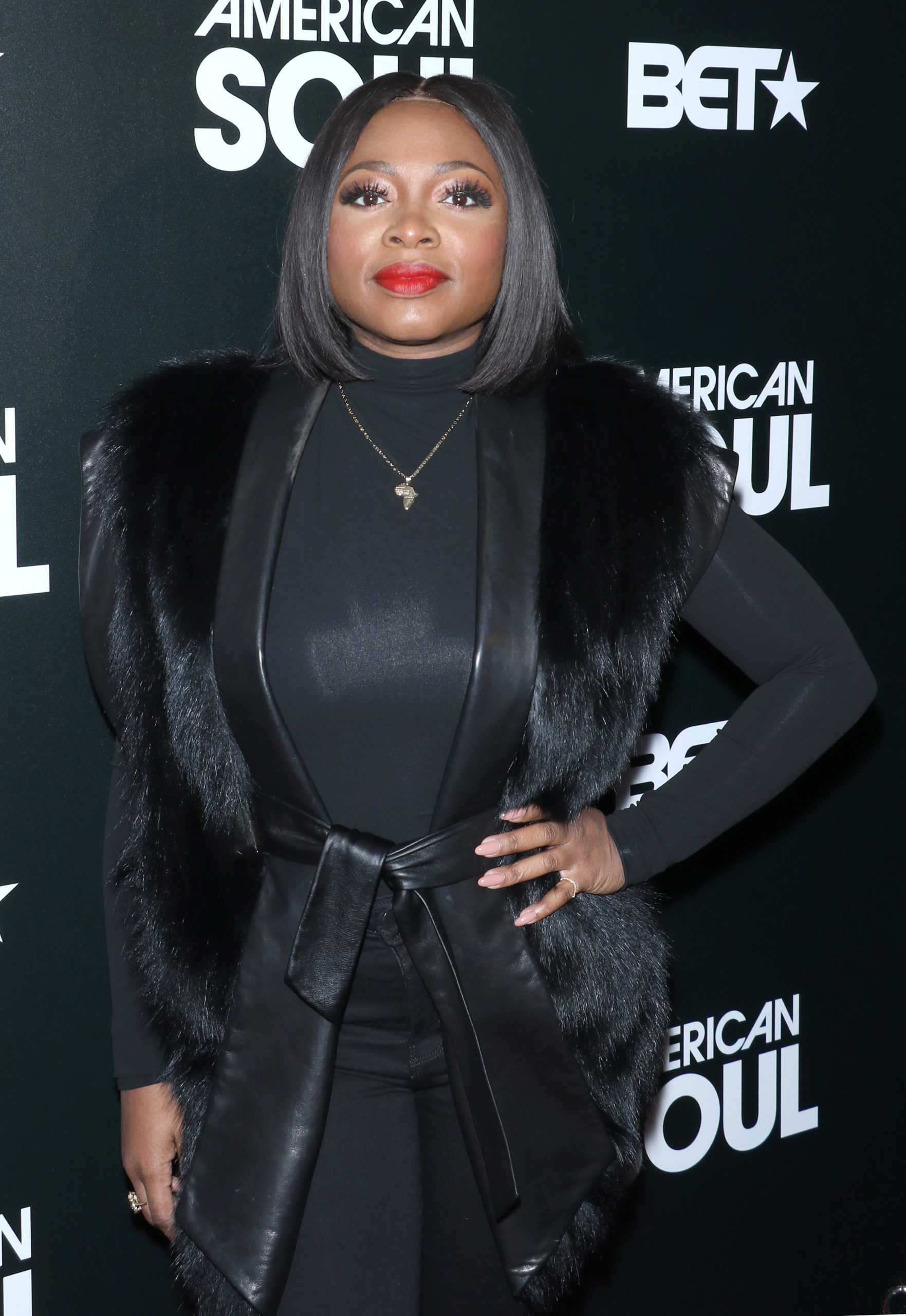
T-Boz’s Sickle Cell Crisis: What It Reveals About Health in the Black Community
By Andre Coleman, PowerVault Staff When the news broke that Tionne ‘T-Boz’ Watkins, the powerhouse voice behind TLC’s iconic tracks, was sidelined by a sickle cell crisis, it struck a chord with fans and health advoca...

By Andre Coleman, PowerVault Staff
When the news broke that Tionne ‘T-Boz’ Watkins, the powerhouse voice behind TLC’s iconic tracks, was sidelined by a sickle cell crisis, it struck a chord with fans and health advocates alike. It’s not just a story about a beloved artist needing to step back from a much-anticipated tour; it’s a moment that calls attention to the realities of living with sickle cell anemia, a condition that disproportionately affects the Black community. After all, for many fans, T-Boz isn’t just a performer,she’s a symbol of resilience.
For those who might not be familiar, T-Boz’s health struggles with sickle cell have been public knowledge for years. She’s spoken openly about the pain and challenges that come with it, making her triumphs all the more significant. When a sickle cell crisis hits, it’s not just a minor inconvenience; it can require hospitalization and recovery that takes time and care. So when her rep announced that she was “currently recovering and regaining her strength,” it hit everyone who grew up singing along to “Waterfalls” hard. Fans wondered: what does this mean for the future of TLC’s tour and for T-Boz herself?
This moment transcends mere gossip; it highlights a health crisis that the Black community has battled for decades, largely in silence. In the U.S., sickle cell disease affects approximately 100,000 individuals, with a staggering 1 in 365 Black or African American births leading to a diagnosis. It’s a genetic disorder that most often leads to severe pain, anemia, and numerous complications, yet it often gets overshadowed by other health issues that dominate the headlines. T-Boz’s visibility is a reminder that we need to talk about sickle cell more openly, pushing against the stigma and misconceptions that surround it.
While T-Boz is admired for her vocal talent and stage presence, her journey with sickle cell disease intertwines with broader issues of health equity and access. Historically, the treatment and understanding of conditions that disproportionately affect Black people have lagged behind. As recent as a few years ago, the FDA approved groundbreaking gene therapy treatments, infusing hope into the lives of many affected by sickle cell. However, the struggles T-Boz faces remind us that we still have a long way to go in terms of healthcare access and education for these patients.
In the age of social media, the conversations about health have become more democratized, allowing celebrities like T-Boz to share their experiences and advocate for awareness. Fans quickly took to platforms to express their love and support, and it became clear that this wasn’t just another headline for them; it was personal. T-Boz’s openness about her struggles gives courage to many, encouraging them to advocate for themselves and seek the care they deserve.
Let’s discuss the cultural implications of T-Boz’s health status. The entertainment industry often glorifies resilience and strength, but what happens when those who embody these traits face real, human vulnerabilities? It raises important questions about the expectations placed on Black entertainers. They are often seen as invincible, and T-Boz’s struggle humanizes her in a way that invites empathy and connection, but also serves as a reminder that these icons are not immune to the same health challenges that their fans might face.
Moreover, this incident isn’t just an isolated one; it speaks volumes about health disparities. While the music industry touts success and glamor, behind the scenes lurks a reality where artists like T-Boz must grapple with chronic illnesses, often without the support systems they need. This reality challenges the notion that success in entertainment equates to personal well-being. It sparks a broader conversation about how we as a community can create spaces for healing, understanding, and support, not just applause and adoration.
Looking ahead, one can only hope that T-Boz’s recovery will be swift and smooth. As she takes the necessary time to regain her strength, it’s vital for her fans to engage in conversations about sickle cell disease and health equity. Awareness is the first step toward advocacy, and T-Boz’s situation can serve as a catalyst for larger conversations about access to health care, particularly for conditions that disproportionately affect our community.
It’s crucial to pay attention not only to T-Boz’s journey but also to support organizations dedicated to sickle cell research and education. What happens next for her could influence how the industry and the fans view health and wellness within the music community. As T-Boz recovers, it’s also a moment to reflect on how we can support each other in our struggles, big or small, and ensure that our beloved icons are not left to fight alone.
So here’s a challenge for readers: engage in the conversation. Share your thoughts on health equity, educate yourself on sickle cell disease, and advocate for those who may not have a voice. T-Boz’s visibility offers an opportunity for the community to rally together, ensuring that health issues don’t continue to be the unspoken struggles of our artists and family members. The power lies within our collective voices, and when we speak up, we can create tangible change.