D4vd Murder Trial: The Chilling Case of Celeste Rivas and Systemic Failures
By DeShawn Price, PowerVault Staff The air was thick with anticipation as the crowd outside the Clara Shortridge Foltz Criminal Justice Center buzzed with murmurs. Families and media personnel alike awaited the verdic...

By DeShawn Price, PowerVault Staff
The air was thick with anticipation as the crowd outside the Clara Shortridge Foltz Criminal Justice Center buzzed with murmurs. Families and media personnel alike awaited the verdict with bated breath, each whispering speculation and fear. The gravity of the hearing loomed large, not just for the victim's family, but for a justice system under scrutiny, a system that had too often failed to protect the most vulnerable. This wasn’t just another murder case; it was one fraught with disturbing revelations that had kept the community on edge for days. These revelations were not only shocking but also indicative of deeper systemic issues that have plagued the justice system for far too long. The air was charged with a mix of hope and apprehension as everyone waited to see if justice would truly be served.
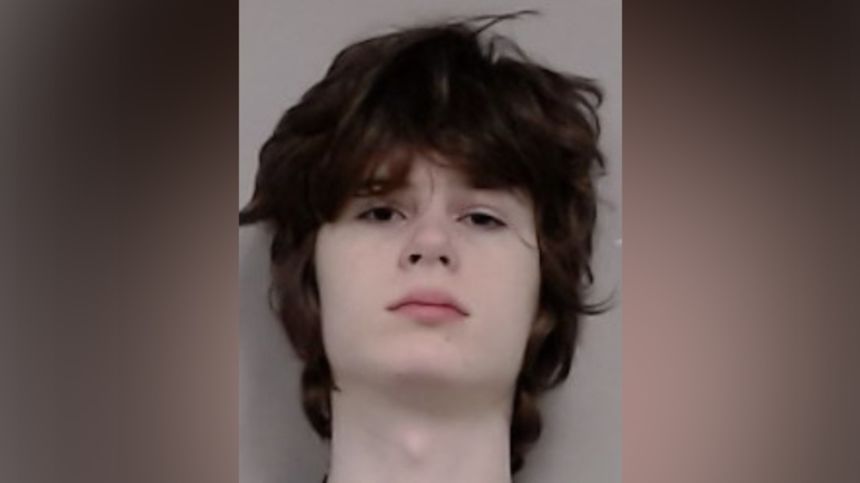
The trial of D4vd, whose real name is David Burke, has captured the nation’s attention, as the aspiring singer stands accused of the murder of 14-year-old Celeste Rivas. As reported by The Grio, the five-day preliminary hearing unveiled a harrowing history between the two, stretching beyond the boundaries of legality and morality, revealing the dark underbelly of an exploitative relationship. The courtroom was rife with tension, a palpable energy that mirrored the gravity of the proceedings, as Judge Charlaine F. Olmedo ruled to proceed with the trial. Her decision was based on a wealth of evidence presented by prosecutors, who meticulously connected Burke to this heinous crime. This case has become a focal point for national discussions about the protection of minors and the accountability of those in positions of power.
The evidence laid bare in the courtroom was nothing short of chilling. Prosecutors presented text messages in which Burke was informed by the young Rivas of her pregnancy at just 13, implicating him in a statutory relationship that was both illegal and deeply unethical. Further revelations included child abuse images and explicit exchanges that painted a grim picture of manipulation and control by Burke over Rivas, highlighting a pattern of exploitation and psychological abuse. He allegedly coerced her into abortions, with one message from Burke reading, “let this abortion be the last one till we have the real one.” These messages illustrate a disturbing narrative of a young girl trapped in a cycle of manipulation, with her pleas for help and autonomy repeatedly ignored.
The implications of these text exchanges are staggering. They not only demonstrate a clear illegal relationship but also indicate psychological manipulation and a gross abuse of power by someone who should have been a protector, not a predator. Prosecutors allege that Burke, in a fit of rage, stabbed Rivas to death following a dispute over his infidelities, a violent culmination of a relationship marked by control and exploitation. The violence didn't end there; Burke allegedly dismembered her body using tools purchased online, a gruesome attempt to erase her existence and conceal his crime. Such revelations have shocked even the most seasoned spectators of criminal justice, highlighting the depths of human depravity and the urgent need for systemic reform to protect vulnerable individuals.
The brutality of Rivas’ murder came to light when her remains were discovered in a Tesla registered to Burke, a vehicle he had attempted to cleanse with air fresheners, hoping to mask the stench of his crime. LAPD criminalist Chelsea Murillo testified to the presence of at least 11 air fresheners, a futile attempt to mask the horror that lay within, proof of Burke's desperation to evade responsibility. Judge Olmedo’s decision to move forward with the trial was met with relief from Rivas’ family, a small comfort in their ongoing nightmare, who expressed gratitude for the thorough investigation by the LAPD. Her family, grappling with the loss of a beloved daughter, hopes that the judicial process will bring them some semblance of justice and closure.
This case, however, is not an isolated incident. It echoes the systemic failures that plague our justice system, especially concerning young Black girls who often go unheard and unprotected. Similar cases like Mackayla Paige's tragic death resonate with the same neglect and injustice, highlighting a pattern of systemic apathy and oversight. These are not mere tales of personal tragedy but indicators of a larger, more insidious problem that continues to undermine the safety and dignity of Black girls across the country. The recurring theme of neglect and failure to protect vulnerable children demands a critical examination of the systems in place, and a commitment to overhaul them to ensure justice and protection for all children, regardless of race or socioeconomic status.
Systemic negligence is the real perpetrator here, a silent force that enables such tragedies to occur.
David Burke's case is not isolated; it's a product of systemic negligence that repeatedly fails young Black girls.
David Burke's case is not isolated; it's a product of systemic negligence that repeatedly fails young Black girls, leaving them vulnerable to exploitation and abuse. One must question how such a relationship was allowed to persist, who failed to intervene, and who turned a blind eye to the warning signs. This tragedy forces us to confront the uncomfortable truth that our systems prioritize the powerful over the vulnerable, creating environments where predators can thrive unchecked. It is time for society to reevaluate the protective measures in place for minors, especially those from marginalized communities, and to implement reforms that prioritize the safety and well-being of all children, ensuring that no more lives are lost to systemic failures.
The music industry, too, bears responsibility. Aspiring artists like Burke often find themselves entangled in a culture that glorifies excess and obscures boundaries, a toxic environment that can lead to destructive behavior. The industry's role in failing to offer guidance or intervention is significant, as it fosters an atmosphere where exploitation can flourish unchecked. It puts a spotlight on the protection of those who are vulnerable to exploitation within this sphere, and the responsibility of industry leaders to create safer environments for young artists. The trial not only holds Burke accountable but also casts a spotlight on an industry that must reckon with its part in these narratives, prompting a necessary dialogue about accountability and ethical responsibility.
Community awareness and vigilance are paramount. For too long, the voices of young girls like Celeste Rivas have been drowned out by societal apathy and systemic inertia, their cries for help lost in the noise of indifference. This case should ignite a renewed commitment to listen, to protect, and to act against injustices faced by the most vulnerable among us. These are not just distant stories; they are realities that demand our collective empathy and action. Communities must unite to create networks of support and advocacy, ensuring that no child feels alone or unheard, and that justice is not an elusive dream but a tangible reality for all.