Diddy's Prison Release Date Pushed to 2027 — What This Means for Hip Hop
By Jasmine Reed, PowerVault Staff Imagine a world where Diddy’s still dodging the long arm of the law while your favorite artists are rocking the stage. The towering figure of Hip Hop and mogul behind Bad Boy Entertai...
By Jasmine Reed, PowerVault Staff
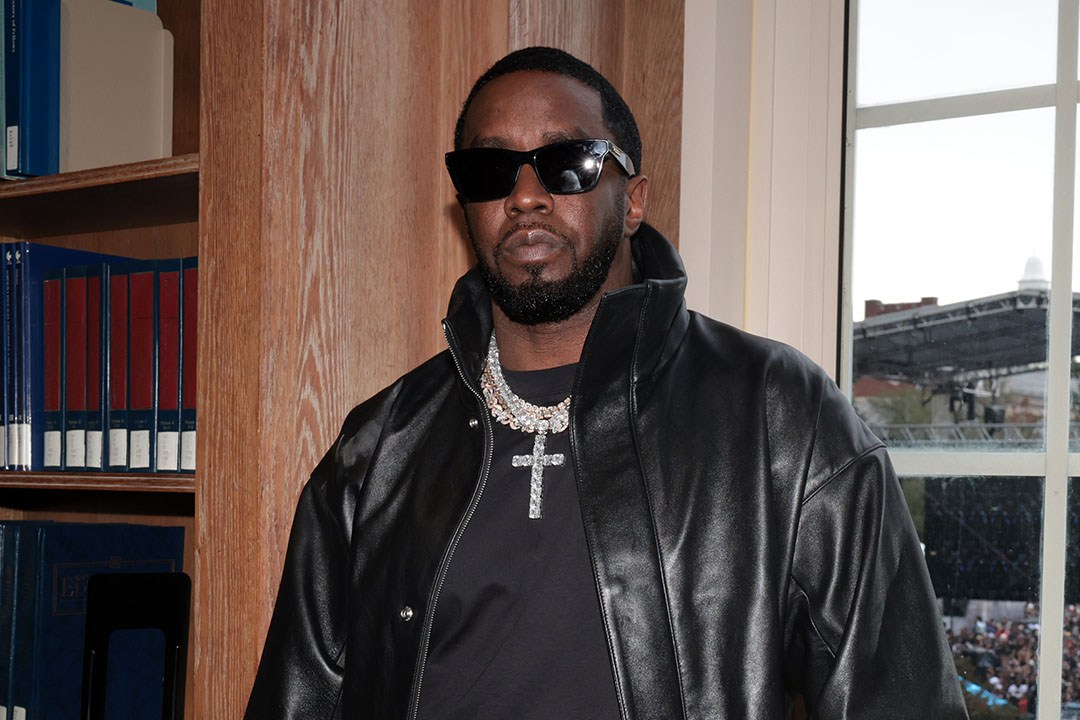
Imagine a world where Diddy’s still dodging the long arm of the law while your favorite artists are rocking the stage. The towering figure of Hip Hop and mogul behind Bad Boy Entertainment, Sean Combs, has officially had his prison release date bumped to 2027. For fans and industry insiders, this feels like a plot twist straight out of a street tale. But beyond the headlines and the shock value, there's a rich narrative unfolding that deserves a closer look.
First off, let’s not pretend this isn’t a major moment. Diddy has been a staple in the game since the '90s, a true emblem of the hustle and grind that defines Hip Hop culture. To see someone who’s orchestrated hits like “Mo Money Mo Problems” and “I'll Be Missing You” now facing the consequences of his actions is both jarring and telling. His legal woes stem from serious allegations, including sexual assault and harassment, which have sent shockwaves through the industry. The fact that he’s looking at a long stint behind bars is not just a personal matter; it’s a cultural flashpoint.
This isn’t just about one man’s fall from grace. This situation raises questions about power dynamics in the industry. Diddy built an empire, but it seems like that empire is now crumbling under the weight of his choices. It’s difficult not to draw parallels to other influential figures in the game who have faced similar scrutiny. Think about R. Kelly, Bill Cosby, and others who once ruled the charts, only to be dragged down by their own demons. Diddy’s case, however, feels particularly poignant because he was supposed to be one of the untouchables in the game.
As Diddy’s fate hangs in the balance, let’s reflect on what this means for the future of Hip Hop. The genre has often battled with the narrative of the flawed hero. Artists are celebrated for their raw authenticity, yet it’s that same authenticity that sometimes leads them down a dark path. The juxtaposition of artistic genius and personal failure brings a bitter taste to the music we love. With every new revelation, fans are left grappling with their love for the art in contrast with the artist’s real-life actions.
The culture is also at a crossroads. Diddy was not just a rapper; he was a symbol of aspirational success in the Black community. He represented the idea that anyone could rise from humble beginnings to global fame. Now, as he faces prison time, it forces a reckoning. Is this a reflection of a deeper issue within the music industry? One that often overlooks the humanity of its stars in favor of their marketability? When artists are commodified, their flaws can be overlooked until they can't be anymore.
Looking at the industry’s structural issues, the treatment of artists and their accountability becomes a crucial conversation. Historically, the music industry has been rife with exploitation. Black artists have often been pushed to the brink, and the very institutions that prop them up are also quick to turn their backs when things go south. This shines a light on the need for systemic change. If one of the biggest moguls can fall this hard, what does that say for the many artists who are still climbing the ladder?
Diddy’s impending release in 2027 isn’t just about him; it reverberates through the entire Hip Hop community. It’s a stark reminder of the consequences of unchecked power and privilege. As fans, we often view these artists as larger-than-life figures, but they are equally susceptible to the flaws and failings of regular life. The glamor can’t shield them from the reality of their actions.
Let’s not forget the cultural implications of Diddy’s case. In an era where accountability is being demanded more than ever, this serves as a litmus test for how far the industry is willing to go to hold its icons accountable. It’s a wake-up call for fans and artists alike to engage in conversations about respect, power, and responsibility. In a space where misogyny and toxic behaviors have been unchecked for far too long, Diddy’s situation could spark a wider reckoning.
As the clock ticks down to 2027, fans will be watching closely not just for Diddy’s fate, but for how the industry reacts. Will this lead to more conversations about accountability or will it be a whisper lost in a sea of new releases? It’s time for the culture to reflect and decide what it stands for. The path forward for Hip Hop is murky, but it’s necessary to have these uncomfortable dialogues. After all, the legacy of the genre is built on both the music and the message. The question remains , what legacy will Diddy leave behind when he finally walks out of those prison gates, and what will it mean for the future of those still making waves in the culture?
This moment in time serves as both a cautionary tale and an opportunity for growth. Can Hip Hop rise to the occasion, addressing the issues that have plagued it for decades? Or will it continue to allow the past to repeat itself? As the landscape evolves and more eyes turn towards the industry, there’s a chance for real change. Now is the time for fans and artists to come together and demand better. Diddy’s story is far from over, and neither is Hip Hop’s narrative. What happens next will be telling, and it’s up to all of us to shape the future.