Why a Brawl at a Cubs-White Sox Game is a Mirror of Deeper Cultural Rifts
By PVN Staff · August 30, 2026 · Straight From the Bench
By DeShawn Price, PowerVault Staff
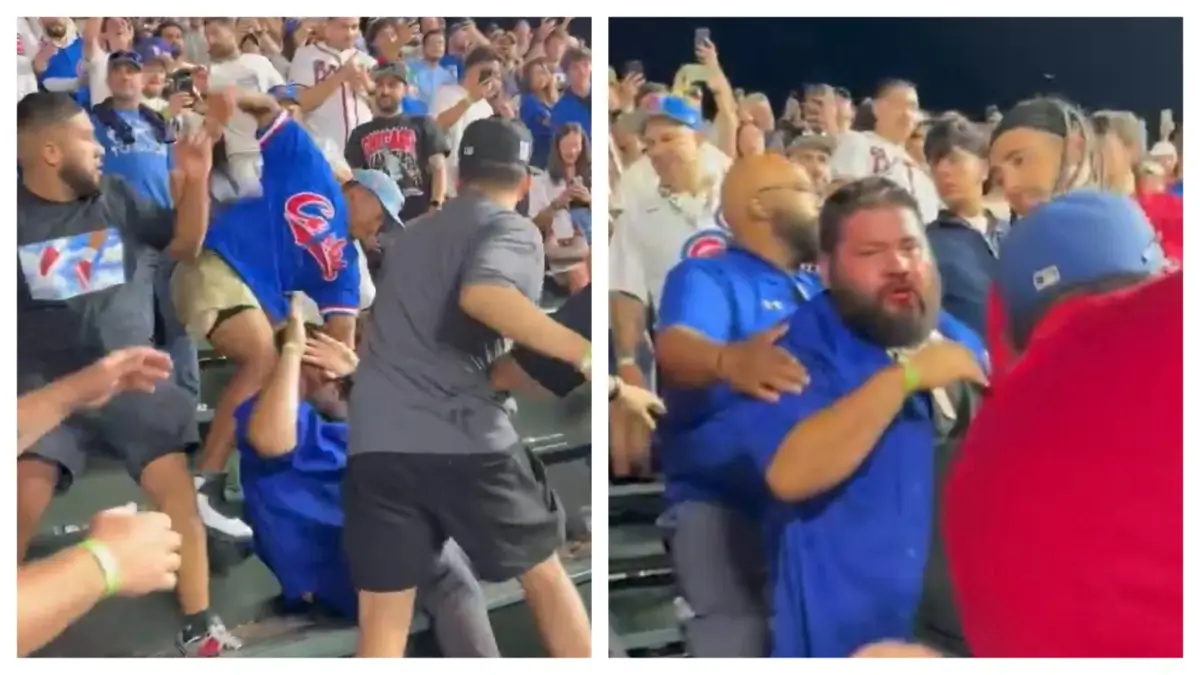
Picture this: a crisp summer night under the lights of Wrigley Field. The Chicago Cubs and Chicago White Sox, two teams with a rivalry as old as time in the Windy City, are slugging it out on the field. But while these athletes battle for glory, chaos erupts in the bleachers. A fight, fierce and unyielding, transforms part of the crowd into an arena of its own. Welcome to sports in America, where sometimes the real action isn’t just on the diamond.
This isn’t just about one man’s bloody head and nose or the sprawling clash that turned spectators into participants. It’s about the way tension, competitiveness, and maybe even a little bit of alcohol mix together in our cultural cocktail. It’s about why these brawls keep happening and what they say about us, the fans, and our society.
Let’s be real. Baseball, America’s pastime, has long been a stage for more than just home runs and strikeouts. It’s a petri dish for human behavior, a place where the norms of society are tested as much as they are represented. When we see a brawl like this, are we just seeing isolated bad behavior, or is it a reflection of something larger going on?
Video of the Wrigley Field brawl spread like wildfire, shared and reshared across social media platforms. As expected, Twitter was ablaze with reactions ranging from shock to dismay. One user, @IEnders11, tweeted, "Gotta tip my cap to the cameraman,” acknowledging the viral nature of the footage.
But let’s dig deeper. The clash at Wrigley was more than just a physical confrontation; it was a moment that peeled back the layers of our cultural fabric. Sports have always been a microcosm of society, reflecting our values, our tensions, and yes, our divisions. Just like music and fashion, the sports world often mirrors the social and political landscapes we navigate daily.
Look back at history. Think of Malice at the Palace in 2004, when a fierce NBA game turned into one of the most infamous brawls in sports history. That incident didn’t just involve players; it exposed the raw nerve of tension between athletes and fans. These moments aren’t anomalies; they’re reminders of how quickly our passions can overtake reason.
Even so, it’s critical to recognize the unique culture of baseball. Unlike the more continuously energetic confines of a basketball game, baseball’s slower pace allows for reflection and, sometimes, confrontation. That’s not a knock on the game,it’s an acknowledgment of its complexities. Add in a good old-fashioned rivalry like Cubs vs. White Sox, and you have all the ingredients for a volatile situation.
It’s not just about team loyalty. It’s about the identity and pride that come with supporting a squad. It’s about the tension of representing different sides of the city. In a place like Chicago, with its rich history of both segregation and resilience, these games carry more weight than just wins and losses.
As reported, at least one man was arrested following the incident, highlighting the legal consequences that often follow such public displays. But arrests don’t heal the underlying tensions that fuel these conflicts.
And let’s not forget the role of social media. It amplifies these incidents, turning them into public spectacles. Platforms like Twitter are modern-day town squares where public opinion forms rapidly,and often viciously. Just ask Danry Vasquez about how a viral video can shift public perception in an instant.
So where do we go from here? How do we address the underlying issues that these brawls bring to light? It starts by recognizing that these aren’t just sports stories; they’re windows into our collective psyche. We’ve got to examine the tensions that boil over into violence and ask ourselves why they exist in the first place.
Ultimately, the fracas at Wrigley Field is a symbol. It’s a reflection of how the lines between sports, society, and personal identity can blur in ways that reveal our best and worst selves. It’s a challenge to all of us to do better,not just in stadiums, but in the world outside them.
As we look forward, it’s crucial that teams, leagues, and we as fans continue to promote environments that prioritize respect and understanding. These games are more than just entertainment; they’re opportunities for us to come together, if only we understand the stakes beyond the scoreboard.