Diddy and Dudus: What's Really Behind the Prison Fight Rumors?
By Jasmine Reed, PowerVault Staff It’s a Friday night in the high-security prison in New Jersey where Diddy, the mogul who once defined an era of hip-hop with hits that kept the clubs jumping, is currently housed. The...
By Jasmine Reed, PowerVault Staff
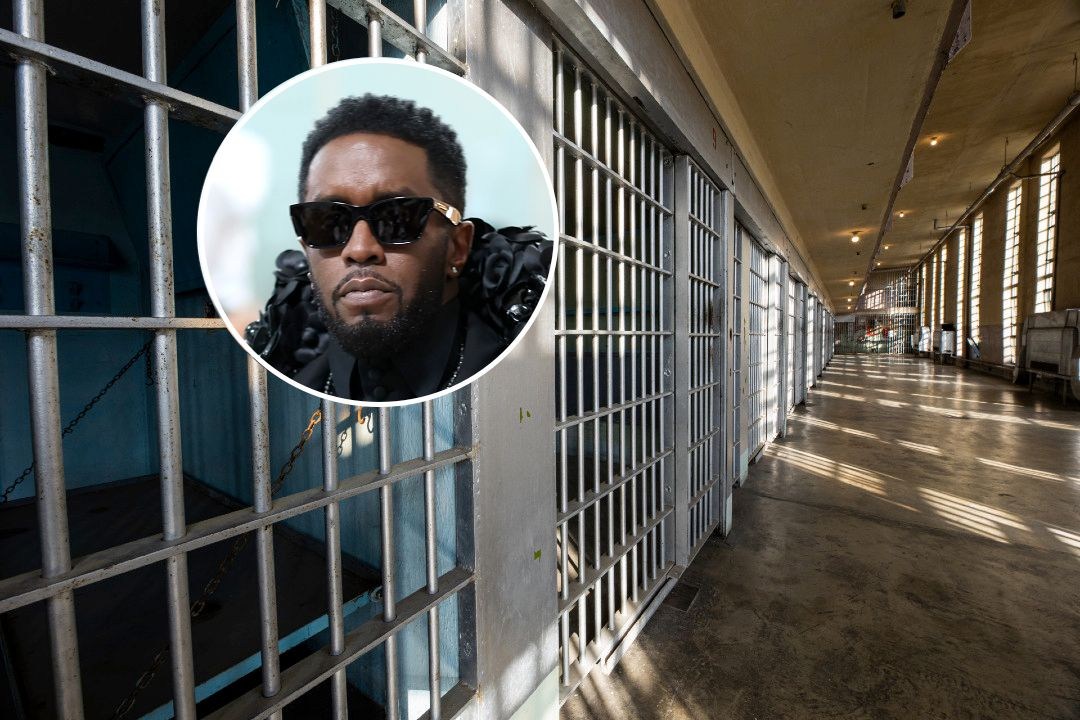
It’s a Friday night in the high-security prison in New Jersey where Diddy, the mogul who once defined an era of hip-hop with hits that kept the clubs jumping, is currently housed. The atmosphere is thick with tension, the kind that comes when big names share small spaces. The chatter is buzzing, carrying whispers of what just went down. A head injury sends the Bad Boy to the hospital, and suddenly, the whispers morph into rumors of an altercation with Christopher “Dudus” Coke, a notorious Jamaican drug lord also doing time in the same facility. The gossip machine starts grinding at full speed, turning what could have been an average prison incident into a media frenzy that captures headlines and imagination alike.
Reports surfaced from TMZ, sparking the assumption that Diddy’s head injury was the result of a fight with Dudus. But what could cause such a clash of titans behind bars? According to TMZ’s sources, Dudus was livid over the exposure of Diddy’s prison perks, like access to cell phones and massages, reported by mainstream media outlets. This revelation led to crackdowns and confiscations, including one of Dudus's own cell phones, allegedly fueling his ire and setting the alleged tension with Diddy in motion. Yet, officials from the Bureau of Prisons were quick to shut down these claims, denying any brawl ever happened, trying to douse the flames before the story spreads further.
The Bureau of Prisons doubled down, telling TMZ, “We can tell you that the story you are referring to is false and did not happen.” Yet, there's a twist: the explanation for Diddy’s head injury remained elusive as the official rep added, “We have no additional information to provide.” This contradiction leaves room for speculation, allowing the gossip machine to churn unchecked. Meanwhile, TMZ continues to stand by their sources, suggesting the altercation story still holds water, stirring the pot with a video that adds fuel to the fire. The lack of a clear answer only deepens the intrigue, inviting more questions than answers.
Diddy’s injury, according to another source, Page Six, came from something far less cinematic, a simple bump on the bunk bed above him. They report he's doing much better now, shifting the narrative to one of accidental injury rather than deliberate violence. This attempt to ground the rumor in mundane reality does little to quell public curiosity, as the stark discrepancy between stories only feeds the fire. Why would two reputable media giants report such vastly different accounts? The mixed narratives have audiences tuning in with heightened interest, each outlet offering a different lens through which to view the situation, adding layers to an already complex story.
Maybe it's less about what happened and more about who benefits from these diverging stories. The consistent denial from prison officials, paired with Diddy’s ongoing legal challenges, his release date was pushed back due to these perks, paints a picture of a man under immense scrutiny and pressure. The timing of these competing narratives is suspiciously convenient, emerging just as Diddy's influence and story still hold sway in the hip-hop community. As these stories circulate, they offer different angles, each potentially serving the interests of those who stand to gain from either protecting or tarnishing Diddy's reputation.
Looking back, this isn't the first time Diddy's name has been embroiled in headlines for reasons beyond the music. It echoes the chaos of the ‘90s East Coast-West Coast beef, where media narratives were manipulated, sometimes escalating real-world tensions that ended in tragedy. Or consider the notorious 1999 shooting trial Diddy faced, where courtroom drama played out like a top-charting album, with every hearing and verdict dissected in the press. In both these cases, the lines between reality and perception were deliberately blurred, creating a spectacle that captivated audiences. The same manipulation of narrative that plagued those bygone days seems to have evolved with the times, now playing out in digital media and prison hallways, where stories can be spun at the speed of a tweet.
Media storytelling is a powerful weapon, shaping perceptions and driving narratives.
The industry's silence says a lot about how the powerful protect their own.
For Diddy, this incident casts a shadow over his once untouchable empire, a stark reminder that fame offers no shield behind bars. Whether true or not, these stories infiltrate how he’s perceived by fans and potential business partners, complicating his legacy in an era where public perception can make or break careers. Those who rose through the ranks with his hits are left pondering what comes next for the mogul who once seemed invincible, questioning whether his influence will weather this storm or fade under the weight of scandal and speculation.
From an industry perspective, this situation highlights a recurring theme: the treatment of powerful figures within the prison system. Diddy's alleged perks shatter the illusion of equal treatment, exposing a hierarchy that thrives even in incarceration. The Bureau of Prisons' denial raises tough questions about transparency and accountability, as their silence and refusal to clarify the situation become a form of complicity. This incident shows the imbalance in how justice is served, reminding us that power dynamics don't dissolve behind bars but instead manifest in new and unexpected ways.
For the community watching, these stories serve as cautionary tales about the machinery of fame and power. They reveal the precarious nature of idols and the fickle loyalty of public opinion, where one moment you’re on top and the next, caught in a web of controversy. As we dissect Diddy’s situation, we're reminded of how easily narratives can be spun to serve various interests, leaving us questioning what's fact and what's fiction. The stories we hear often mask deeper truths, urging us to remain critical of the narratives fed to us.



