
Diddy's Prison Move: What It Means for His Future and the Industry
By Simone Walker, PowerVault Staff Imagine the buzz in the halls of FCI Fort Dix, the kind that sweeps like wildfire when someone like Diddy gets moved. It's not just another day behind bars when a name that big shift...
Advertisement

By Simone Walker, PowerVault Staff
Imagine the buzz in the halls of FCI Fort Dix, the kind that sweeps like wildfire when someone like Diddy gets moved. It's not just another day behind bars when a name that big shifts facilities. The whispers about why and what's next ripple through the yard, as speculation meets reality. For inmates and staff alike, the atmosphere changes when a cultural icon like Diddy is involved. This scene unfolded recently when Diddy, the mogul who reshaped Hip Hop and left a mark on the music industry, found himself unexpectedly packing his bags. There's a certain electricity when a figure of his magnitude transitions, stirring up the kind of chatter that only follows someone who's as much a part of the headlines as he is of the history books.
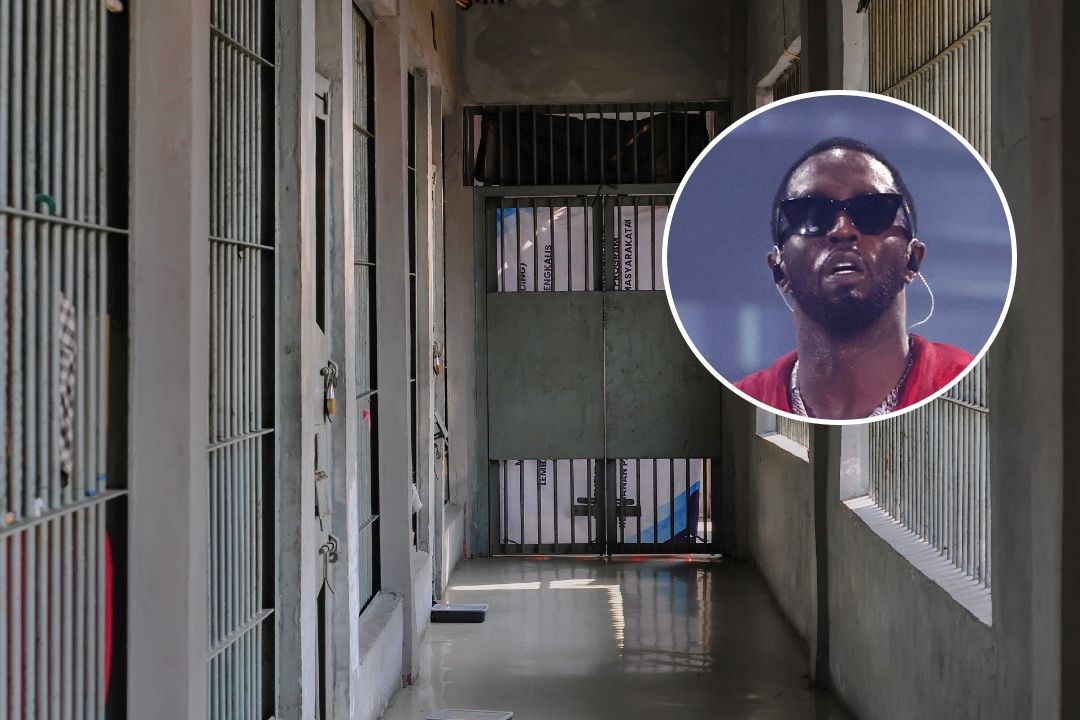
Last Friday, TMZ dropped the latest bomb: Diddy has been transferred from FCI Fort Dix in New Jersey to Federal Corrections Institution in Allenwood, Pennsylvania. This move comes on the heels of reports suggesting a brawl with another inmate and the discovery of contraband in his cell. The allegations are heavy, involving everything from unauthorized cell phone usage to enjoying privileges like massages and alcohol, perks that don't sit well in the prison environment. Yet, despite the gossip machine churning, the Bureau of Prisons has kept mum on the specifics, leaving fans and critics alike to piece together the puzzle. The lack of transparency only adds fuel to the fire, as everyone waits to see how one of Hip Hop's most influential figures navigates this latest twist in his tumultuous journey.
Diddy's stint at Fort Dix wasn't without its drama. Reports of contraband such as cell phones, massages, and alcohol surfaced, nudging the staff to conduct multiple raids. These raids led to a head injury, allegedly from a fight with another inmate over privileges Diddy enjoyed. Although a spokesperson for the Bureau refuted the fight claims, the incident spotlighted the tensions around the mogul's presence in the facility. The whispers of special treatment and the privileges he allegedly secured with his influence cast a shadow over his stay. The clip that set everything off is below, a glimpse into the chaos that erupts when larger-than-life personalities bring their realities into a confined space.
With the backdrop of these infractions, it's no surprise that Diddy's rep, Juda S. Engelmayer, issued a statement emphasizing the importance of his client's safety. Engelmayer’s words, reflecting gratitude and concern, echo the statements we've seen from representatives of embattled celebrities before, suggesting the move was more about safety than punishment. His comments were carefully crafted, painting a picture of a concerned team focused on ensuring Diddy's well-being in a system that can often be unforgiving. Yet, the specifics of Diddy's transfer remain under wraps, fueling more questions than answers. This silence from the authorities leaves room for speculation and keeps the public eye firmly on the developments, as people try to discern the real story behind the headlines.
The shift from a facility housing 4,000 inmates to one with just 1,000 says a lot. While some see it as a strategic downgrade to mitigate conflict and provide a more controlled environment, others view it as a calculated move made by an industry giant who knows how to handle turbulent waters. The reduced population could mean fewer opportunities for tension, but it also suggests a more focused approach to managing Diddy's incarceration. The video gets into this complex situation, highlighting how a smaller facility might offer a chance for less chaos and more predictability, which could be crucial for someone with Diddy's profile. The dynamics of celebrity and incarceration are at play here, and every move is scrutinized through that lens.
Historic instances of celebrity incarceration offer a backdrop to Diddy's current situation. Think back to 2007 when Paris Hilton was in and out of jail, or even Martha Stewart's five-month stretch in 2004. These high-profile cases often highlight the delicate balance between celebrity status and the justice system. They remind us that when it comes to celebs like Diddy, the line between fame and infamy is paper-thin. Their experiences in the system are magnified through the public lens, becoming cautionary tales or, conversely, stories of resilience. The scrutiny they face doesn't just disappear behind bars; it intensifies, as every action is analyzed for signs of privilege or injustice. For Diddy, this context adds another layer to his already complex narrative, intertwining his fate with the ongoing dialogue about fame's influence on justice.
So, what does Diddy's transfer really mean? The implications are multi-layered.
Diddy's transfer shines a light on the blurred lines between celebrity and justice.
For Diddy, the implication is clear: being rich and famous doesn't shield you from the consequences. His transfer could be a message to both him and the industry, highlighting that financial prowess and connections have their limits when it comes to bending the rules. This move might signal a wake-up call for Diddy to reassess how he navigates his remaining years behind bars. It's a stark reminder that no amount of success can entirely buffer the realities of the justice system. The spotlight on his case serves as a warning to others in the industry who might think that wealth and status can insulate them from accountability. For Diddy, this might be an opportunity to reflect on his legacy and the path forward, not just for himself but for those who look up to him.
On a systemic level, Diddy's case points to the persistent disparity in how justice is served. The leniency or severity of his treatment could influence public perception of the justice system's fairness. This is more than about one man's journey; it's reflective of the broader tension between privilege and accountability. Does money and recognition grant favors in incarceration? The answer seems both obvious and elusive. For the public, observing Diddy's case unfold is a chance to question the integrity of a system that often seems to bend for those with influence. It raises important conversations about equality and whether justice is truly blind. As society grapples with these issues, Diddy's situation becomes a focal point for discussions about reform and the need for a more equitable system.
For the community, this story resonates beyond mere celebrity intrigue. It shows the ongoing conversation around how we hold public figures accountable, especially those who have shaped the culture. Diddy's saga becomes a mirror, reflecting society's own values and the ever-present dance between redemption and retribution. It's about more than just one man's mistakes; it's about what we expect from our icons and how we reconcile their contributions with their missteps. The dialogue this case sparks is essential, challenging us to consider how we balance admiration with accountability, and what it truly means to forgive while still demanding justice.
Advertisement
Peeling back the layers of this incident reveals deeper social dynamics at play. Diddy's journey through the prison system is a microcosm of race and class tensions. As a Black mogul, his treatment in the justice system is scrutinized differently than it might be for others. This scrutiny isn't just about the man himself but about what he represents, a successful Black entrepreneur facing the harsh realities of the criminal justice system. The intersection of race, wealth, and power in his case highlights the broader issues within the system that disproportionately affect people of color. It's a reminder that, even for those who have achieved significant success, the road is fraught with challenges and biases that must be navigated carefully.
Looking ahead, Diddy's scheduled release in March 2028 looms on the horizon. Will his time in Allenwood be the reset he needs to step back into the world ready to reclaim his throne, or will it serve as a cautionary tale for others in the industry? One thing's for sure, the world will be watching his next move closely, wondering if the mogul will emerge from this storm unscathed or if he'll have to rebuild anew. As we continue to witness the juxtaposition of celebrity and justice, we must ask ourselves: what does this all mean for the future? The anticipation builds as everyone waits to see whether Diddy will use this experience to forge a new path or continue the legacy he's already built.
