Diddy's Prison Scuffle: The Fight Behind the Headlines
By Marcus Ellison, PowerVault Staff The prison corridors echo with a story that seems almost too wild to be true. It's a tale of two worlds colliding, where hip hop royalty meets the gritty underbelly of a Jamaican dr...
By Marcus Ellison, PowerVault Staff
The prison corridors echo with a story that seems almost too wild to be true. It's a tale of two worlds colliding, where hip hop royalty meets the gritty underbelly of a Jamaican drug lord's realm. This isn't a scene from the latest action flick, but rather the real-life drama surrounding Sean 'Diddy' Combs and Christopher 'Dudus' Coke. The commotion erupted when reports emerged about an altercation within the prison walls, leaving many to wonder what's really happening behind bars. The clash between these two powerful figures adds a new chapter to the ongoing saga of power and influence within the prison system, raising questions about what truly occurs away from the public eye.
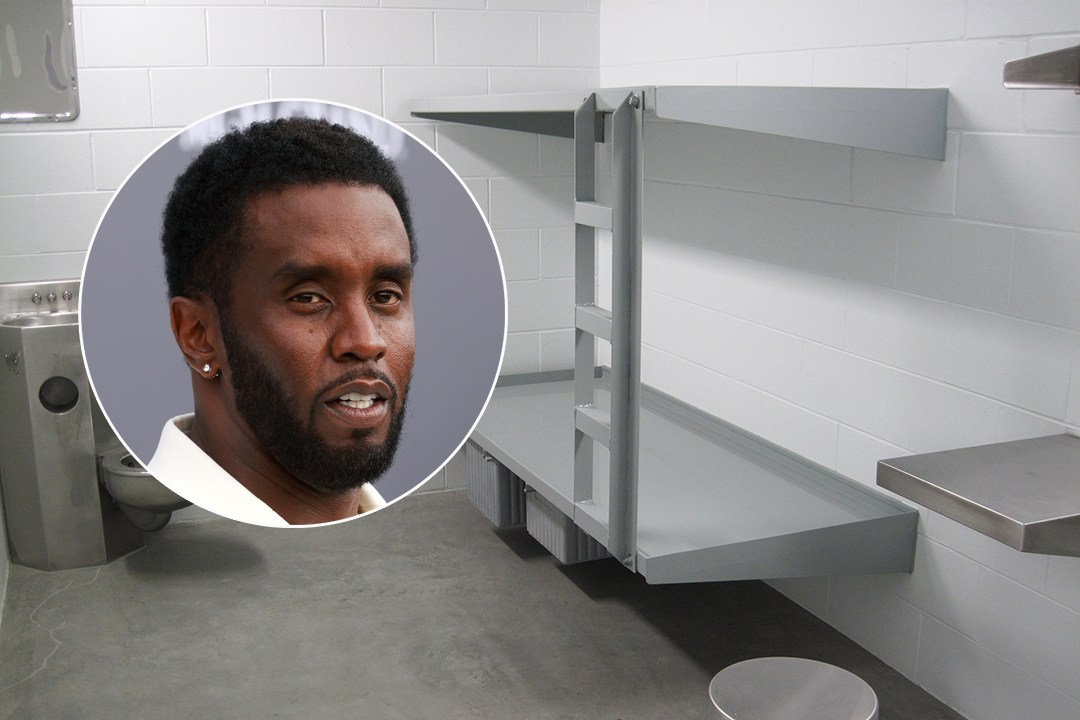
According to initial reports by TMZ, Diddy found himself in a brawl with Dudus, an infamous figure well-known in gangster circles. The alleged fight was sparked by Dudus' frustration over recent revelations of Diddy's special prison privileges. NBC News had exposed Diddy's access to a cell phone and massages, prompting prison officials to clamp down, a move that apparently left Dudus fuming. This crackdown led to Dudus losing his own phone privileges, fueling his anger. However, Page Six paints a different picture, citing sources who claim Diddy's head injury resulted from a more innocuous encounter with a bunk bed. These conflicting stories leave the public questioning which version, if any, actually reflects the truth.
Following the alleged fight, both men were swiftly placed in solitary confinement. This confinement wasn't new to Diddy, who had already been sequestered due to the exposure of his privileged treatment. Yet the supposed fight occurred during the brief daily break allowed even for those in isolation. These breaks, although short, are the only times inmates in solitary can move outside their cells, making them the only moments where altercations like this could happen. The situation highlights the volatile environment within the prison, where tensions run high and even the smallest privileges can spark major conflicts. Check out how the situation unfolded in the video below.
Reports indicate that Diddy's head injury, sustained during the altercation, was serious enough to warrant a trip to the hospital. Although classified as non-life-threatening, this incident prompted heightened interest in Diddy's prison life, further fueled by the ever-curious public eye. The injury, while not severe, shows the precarious nature of life behind bars for high-profile inmates. Upon returning from medical care, Diddy was immediately sent back to solitary, his release date now pushed to March 2, 2028. This extension of his sentence due to the incident adds another layer to the ongoing saga, as fans and critics alike watch closely to see how this will impact Diddy's future both in and out of prison.
In the wake of these developments, the media frenzy around the incident continues to grow. As the mainstream press churns out story after story, one has to question the accuracy and intent behind each narrative. Was it a fight with a powerful drug lord, or simply a misstep in a confined space? These conflicting reports make it difficult to discern the truth, as both outlets have their own agendas and sources with varying degrees of credibility. The speculation only adds to the intrigue, leaving the public divided on what really happened and eager to see how this will impact Diddy's reputation and future endeavors. See more details in the video below.
This isn't the first time the culture has seen influential figures embroiled in prison drama. History has shown us that power struggles behind bars are nothing new. From the days of Tupac and Suge Knight's legal battles in the '90s to recent scrutiny over Pooh Shiesty's solitary confinement, the intersection of music, crime, and punishment is a recurring theme. Such stories often reveal deeper issues within the justice system and the way celebrities handle it. These narratives not only captivate the public but also explain the systemic issues that persist within the prison system, challenging our perceptions of justice and celebrity privilege.
The dual narratives highlight how stories can be shaped to protect or tarnish public figures, especially within the volatile confines of the prison system.
The dual narratives highlight how narratives can be shaped to protect or tarnish public figures, especially within the volatile confines of the prison system.
For Diddy, the stakes are high. His legacy as a mogul and a cultural icon hangs in the balance, as these stories could influence public perception and future opportunities. While his team scrambles to manage the fallout, one can't help but recall past incidents where public figures faced similar situations. The question becomes whether these experiences will lead to reforms in how celebrity inmates are managed or if they'll remain cautionary tales. Diddy's team is undoubtedly working overtime to control the narrative and mitigate any potential damage to his brand, but the outcome remains uncertain as fans and critics alike watch closely.
From an industry standpoint, the incident is a reminder of the delicate dance between power and perception. Hip hop has always thrived on authenticity, yet the industry's obsession with image often complicates the narrative. As labels and management teams work to control the optics, the real stories sometimes get lost in the shuffle. This is where platforms like PowerVault play a crucial role in cutting through the noise, ensuring that authenticity prevails. It's a constant battle to maintain the balance between truth and image, and Diddy's current predicament highlights the challenges that even the most powerful figures in the industry face.
For the Hip Hop community, this saga is yet another chapter in a long book of trials faced by our icons. We see how the system can attempt to break them, and yet, their stories of resilience continue to inspire. The real ones know that these narratives transcend mere gossip, touching on broader issues of racial and social justice. The ongoing coverage reflects our responsibility to question whose interests are served by the tales told. It pushes us to look beyond the surface and consider the deeper implications of these stories, both for the individuals involved and for the culture as a whole.



