Donald Trump's Melania Quip: What It Reveals About Their Marriage and His Politics
By Andre Coleman, PowerVault Staff The rally atmosphere in Wasilla, Alaska, was electric, a cacophony of flag-waving and MAGA hats that filled the air with anticipation. In the midst of this fervor, former President D...
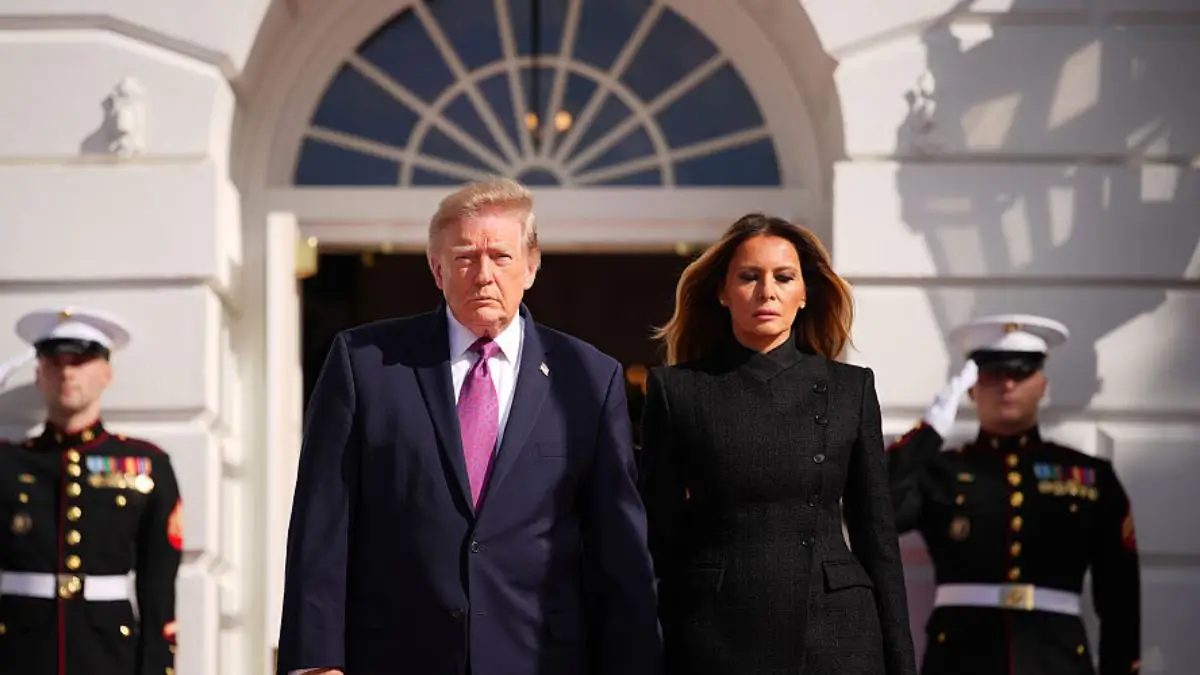
By Andre Coleman, PowerVault Staff
The rally atmosphere in Wasilla, Alaska, was electric, a cacophony of flag-waving and MAGA hats that filled the air with anticipation. In the midst of this fervor, former President Donald Trump took the stage, his presence commanding the room with the charisma that has always drawn both admiration and controversy. But it wasn’t just his usual rhetoric about supposed economic triumphs that caught attention this time. With the crowd hanging on his every word, Trump launched into a rambling narrative that unexpectedly laid bare some personal truths, revealing yet again the complexities of his public persona and private life. His words provided a rare glimpse into the man behind the political spectacle, sparking conversations beyond the usual political discourse.
During his speech on October 13, the 80-year-old former president digressed into a peculiar anecdote about a New York police officer, supposedly thanking him for financial successes that saved his marriage. Trump’s tale was as much about self-promotion as it was about the officer's alleged gratitude, painting a picture of economic prosperity attributed to his policies. However, the story took a strange turn when Trump advised the officer to stay with his wife because 'it's much less expensive.' This offhand remark quickly became fodder for speculation about Trump’s own marriage to Melania, as reported by Atlanta Black Star. The comment hinted at Trump's pragmatic, even cynical view of relationships, leaving many to wonder about the dynamics within his own household.
This wasn't an isolated incident. Trump has a history of making off-the-cuff comments that fuel speculation about his marriage, often providing more questions than answers. His comment about the cost of divorce seemed particularly pointed given his own past, featuring two high-profile divorces that were as public as they were contentious. Each time Trump makes these remarks, they reignite discussions about his relationship with Melania, a partnership that has long been scrutinized under the public eye. As the rally video circulated online, it became clear that Trump’s words were not just casual quips but reflections of the personal and political complexities that define his public life. These comments continue to spark debates, drawing attention to the interplay between his personal relationships and political strategies.
The video that set the internet abuzz is below. It captures a moment that has become emblematic of Trump's ability to blur the lines between personal anecdotes and political discourse. As the footage spread across social media platforms, it sparked a wave of analysis and commentary, dissecting not just the content of Trump's speech but also the implications for his marriage to Melania. This clip, like many others from his rallies, became a focal point for discussions about the former president's views on marriage and relationships. It highlighted the ongoing fascination with Trump’s personal life, providing another layer to the complex narrative that surrounds his public persona. The video is a reminder of how quickly a seemingly offhand comment can become a viral moment, reflecting broader societal conversations.
Trump's history with matrimony has always been colorful, filled with high drama and public spectacle. His first marriage to Ivana Trump ended in a $25 million settlement after allegations of infidelity, a scandal that played out in the tabloids with all the sensationalism of a soap opera. His second marriage to Marla Maples dissolved with a $2 million settlement due to a prenuptial agreement, marking another chapter in Trump's tumultuous romantic history. His union with Melania, a Slovenian model, has been under public scrutiny since he entered the political arena more than a decade ago, with every public appearance adding fuel to the gossip machine. This scrutiny has only intensified with time, as the couple's interactions, or lack thereof, continue to capture the public's imagination.
The pattern is clear: Trump's marriages have often mirrored his business dealings, transactional, with each party seeking the upper hand. This approach aligns with his political style, where deals and negotiations dominate the narrative. From his 'Art of the Deal' days to his presidency, Trump has consistently treated relationships as chess pieces, useful as long as they serve his ambitions. In the business world, this might translate to profit margins and market shares, but in personal relationships, it often reduces complex human connections to mere transactions. This mindset, while perhaps effective in closing deals, puts a spotlight on the emotional depth and sincerity in Trump's personal life. His marriages, much like his business ventures, seem to operate on the principle of mutual benefit rather than genuine connection.
But this is more than about one marriage and its drama.
Trump's latest quip about marriage costs doesn't just highlight his shallow view of relationships, it shows the transactional approach he brings to politics.
Trump's latest quip about marriage costs doesn't just highlight his shallow view of relationships, it shows the transactional approach he brings to politics. For many, his presidency was an era filled with deals that often overlooked the human cost, with policies crafted in boardrooms rather than communities. His comments suggest a worldview where relationships, much like political alliances, are valued for their monetary benefit rather than emotional depth. This perspective permeates his political dealings, where the bottom line frequently takes precedence over the well-being of citizens. The focus on financial gains above all else reflects a broader ethos of prioritizing wealth and status, often at the expense of empathy and understanding. This approach, while appealing to some, ultimately leaves a trail of unaddressed human needs and concerns.
His presidency often prioritized short-term gains over long-term welfare, a mindset that echoes in his personal life as well. Such a view can be harmful, perpetuating a cycle where financial status dictates respect and loyalty, potentially alienating those who view relationships as genuine connections. This philosophy, rooted in immediate gratification, overlooks the importance of sustainable and meaningful engagements, both in politics and personal affairs. The emphasis on short-term benefits can lead to policies and actions that are expedient but lack foresight, often disregarding the broader implications on society. This transactional approach risks creating a culture where individuals are valued for their economic contributions rather than their intrinsic worth, undermining the foundation of trust and mutual respect essential for cohesive communities.
It raises a troubling question: how do these views on personal relationships impact his policy decisions? When economic interests are prioritized over human rights and welfare, communities of color often bear the brunt. This pattern, seen in policies that hurt minority communities, mirrors the same transactional mindset evident in his marital advice. The emphasis on financial gain and strategic alliances often comes at the expense of addressing systemic inequalities and injustices. For marginalized groups, this can mean policies that fail to consider the unique challenges they face, resulting in further disenfranchisement and marginalization. The prioritization of economic metrics over human dignity highlights the need for leaders who recognize the value of inclusivity and equity, ensuring that all voices are heard and respected in the political process.





