
Drake's Major Move: Backing K-os's 'BLackneck' and Challenging Industry Norms
By Andre Coleman, PowerVault Staff Drake is known for his chart-topping hits and headline-grabbing feuds, but this time, he's making waves by supporting a fellow Canadian artist in a way that echoes back to the roots...
Advertisement

By Andre Coleman, PowerVault Staff
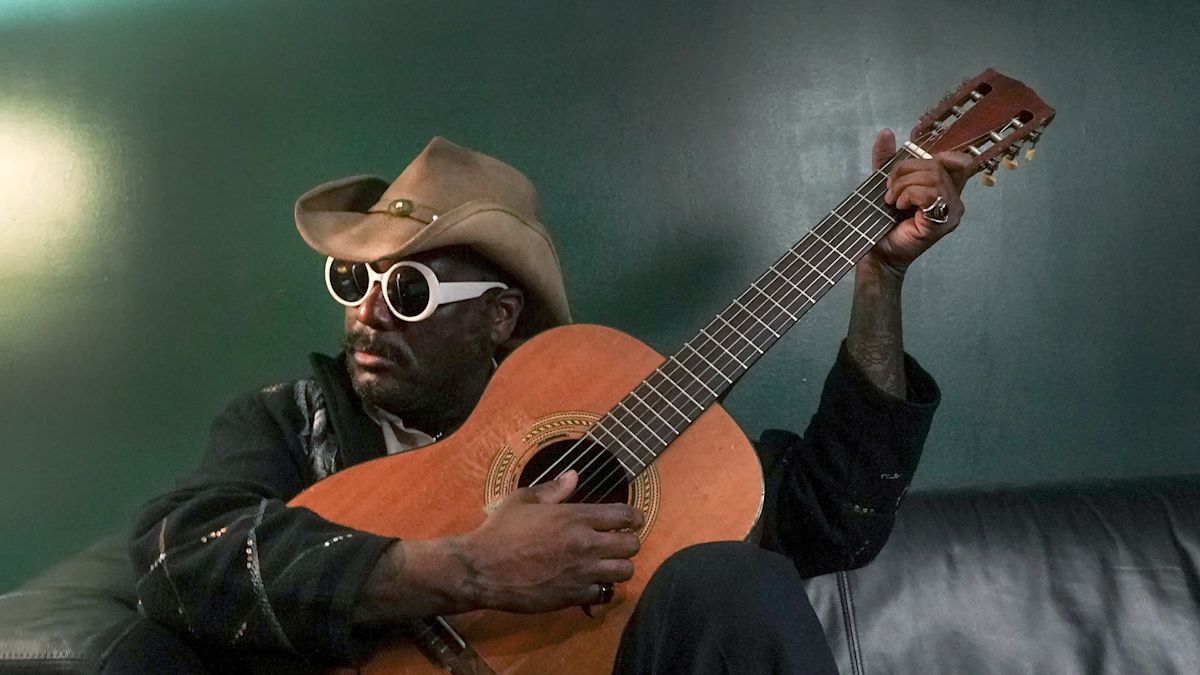
Drake is known for his chart-topping hits and headline-grabbing feuds, but this time, he's making waves by supporting a fellow Canadian artist in a way that echoes back to the roots of hip hop. K-os, the Toronto rap veteran, is back with 'BLackneck,' his first studio album in over a decade, thanks to a hefty financial backing from none other than Drake himself. In an industry where big labels often hesitate to invest in artists with deep-rooted artistry but not the current commercial clout, Drake's move is nothing short of a power play. It’s proof of his influence and vision, showing that he values cultural contributions over chart positions. This isn’t just about a comeback; it's about rewriting the narrative where artistry and respect are prioritized over quick commercial gains.
K-os revealed to the press that Drake provided him with hundreds of thousands of dollars to bring 'BLackneck' to life, a sum that major labels nowadays are reluctant to offer, especially for artists not currently dominating the charts. This gesture from Drake goes beyond just a generous nod to a fellow artist; it is a bold statement critiquing the current state of the music industry. In an era where record labels prioritize viral sensations and profit margins, Drake's support harkens back to a time when artist collaboration was rooted in mutual respect and creative synergy. The industry has shifted towards commodifying music, but this move by Drake reminds us of a time when artistry was king, and collaborations were born out of genuine appreciation rather than profit-driven motives.
Drake's support for K-os is reminiscent of how legends in the game used to uplift each other, when deals were sealed with handshakes and trust, not just contracts filled with legal jargon. In today's music industry, where artists often feel like cogs in a machine, Drake's backing is a breath of fresh air. In the video below, K-os speaks candidly about what Drake's financial backing means to him and how it has allowed him to fully realize his artistic vision without the constraints typically imposed by traditional record deals. This freedom is something many artists crave but rarely achieve, as they often have to conform to label demands that prioritize marketability over creativity. Drake's involvement is a reminder of the potential for genuine support and camaraderie within the industry.
In the interview, K-os acknowledges that Drake's investment was crucial in sidestepping the usual label pressures that often compromise an artist's creative control. Such independence in producing an album is rare, especially in today's industry climate where 360 deals are the norm, and artists often find themselves indebted to labels, losing autonomy over their own work. With 'BLackneck,' K-os has managed to create something true to his roots and uninfluenced by commercial dictates, echoing the old-school ethos of the genre's pioneers. This kind of creative freedom allows artists to experiment and push boundaries, something that the rigid structures of traditional record deals often stifle. By empowering K-os, Drake gives the nod to an era where music was purely about the art and not the algorithm.
Drake’s involvement goes beyond financial aid. It signals a cultural shift, where artists are taking control of their destinies, bypassing traditional gatekeepers who have long dictated the rules of the game. This isn’t the first time Drake has defied industry norms. His recent historic record deal, where he secured unprecedented control over his work, set a precedent for artists seeking more autonomy in an industry notorious for its constraints. By backing K-os, Drake reinforces his position as an advocate for artist empowerment, challenging the status quo that often leaves artists sidelined. This move is about more than just one album; it’s about paving the way for a new era where artists hold the reins of their careers, dictating their own paths in an industry that has long been resistant to change.
Drake's bold move brings to mind other historic moments when artists took stands against industry norms, reshaping the scene for those who came after. In 1996, Prince famously scrawled the word 'slave' on his cheek, rebelling against Warner Bros. For ownership of his masters, a powerful statement against the exploitation and control artists faced. Similarly, Taylor Swift's battle for her catalog with Big Machine Records in 2019 highlighted ongoing struggles for artists' rights in a system that often prioritizes the label over the creator. Drake’s move is part of this lineage, artists leveraging their stature to challenge industry standards and reclaim their power. These actions are not just about individual gains; they set a precedent, reminding the industry that the real power lies with those who create, not those who control.
But this is more than just about music; it's about legacy.
Drake's move isn't just a cash drop; it's a statement against the industry's gatekeepers who've long dictated who gets to be heard.
Drake's move isn't just a cash drop; it's a statement against the industry's gatekeepers who've long dictated who gets to be heard and who gets left in the shadows. It's a wake-up call to the labels that continue to prioritize profit over genuine artistry, pushing cookie-cutter hits instead of nurturing unique voices. Drake is redefining what it means to be an artist in the modern era, where collaboration and empowerment take precedence over competition and rivalry. This shift could encourage more artists to support one another, creating a ripple effect that changes how music is made and shared. By investing in K-os, Drake is not only uplifting one artist but also challenging an entire system to rethink its approach, placing value on creativity and authenticity over commercial viability.
For K-os, this support is transformative. It’s a message that he’s still got it, and it’s a nod to the fans who grew up on his early hits, who remember the days when his music was a staple in the scene. His return could reignite interest in veterans of the scene, reminding us that real artistry doesn’t fade with age or absence, and that sometimes, the voices worth hearing are those that have stood the test of time. It sets a precedent for other overlooked artists, proving that even after years away, the right support can usher in a powerful comeback. This is more than about reviving a career; it's about validating the enduring impact of artists who have paved the way for the current generation, showing that their contributions remain relevant.
For the industry, this could signal a shift in how artists view their careers and the possibilities available to them. As more artists gain control over their music, the traditional label model, which has long been the gatekeeper of success, may be forced to evolve. Drake’s decision shows the power of artist-to-artist support, bypassing the traditional label system and putting creative control back in the hands of those who make the music. This could lead to a more equitable and artist-friendly industry, where success is measured not just by sales but by artistic integrity and innovation. The move could inspire a new wave of artists to take charge of their destinies, leveraging their success to uplift others and create a more inclusive and dynamic music scene.
Advertisement
The implications of race and class in this narrative can't be ignored. Drake, a biracial artist from humble beginnings, backing K-os, a Black artist whose music often challenges societal norms and addresses issues of race and identity, says a lot about solidarity within the community. It’s a reminder of the collective power in supporting one another to break through systemic barriers that have long hindered artists of color from achieving their full potential. This partnership is proof of the strength found in unity and shared experiences, highlighting the importance of lifting each other up in an industry that has historically been fraught with racial and economic disparities. By standing together, artists like Drake and K-os are paving the way for a more inclusive future, where creativity and culture are at the forefront.
As 'BLackneck' gains traction, the industry will undoubtedly watch closely, taking note of how this independent, artist-driven approach unfolds. Will more artists follow Drake's lead, reshaping the power dynamics in music and proving that traditional gatekeepers are no longer necessary to achieve success? This move could inspire other top artists to invest in their peers, fostering a new era of collaboration and creativity that prioritizes artistic vision over commercial dictates. As we witness this unfold, let’s hope the industry listens and learns, adapting to a model where artist autonomy isn't the exception but the rule, and where the art, not the algorithm, dictates success. This could be the beginning of a transformative period in music, where the power truly lies in the hands of those who create.
