E-40 Speaks on Hip-Hop's Future at 58: Why Age Is Just a Number in the Culture
By Malik Carter, PowerVault Staff At 58 years old, E-40 is still spitting bars like he’s fresh out the block. The Bay Area OG, known for pioneering the hyphy movement and influencing generations of rappers, recently m...
By Malik Carter, PowerVault Staff
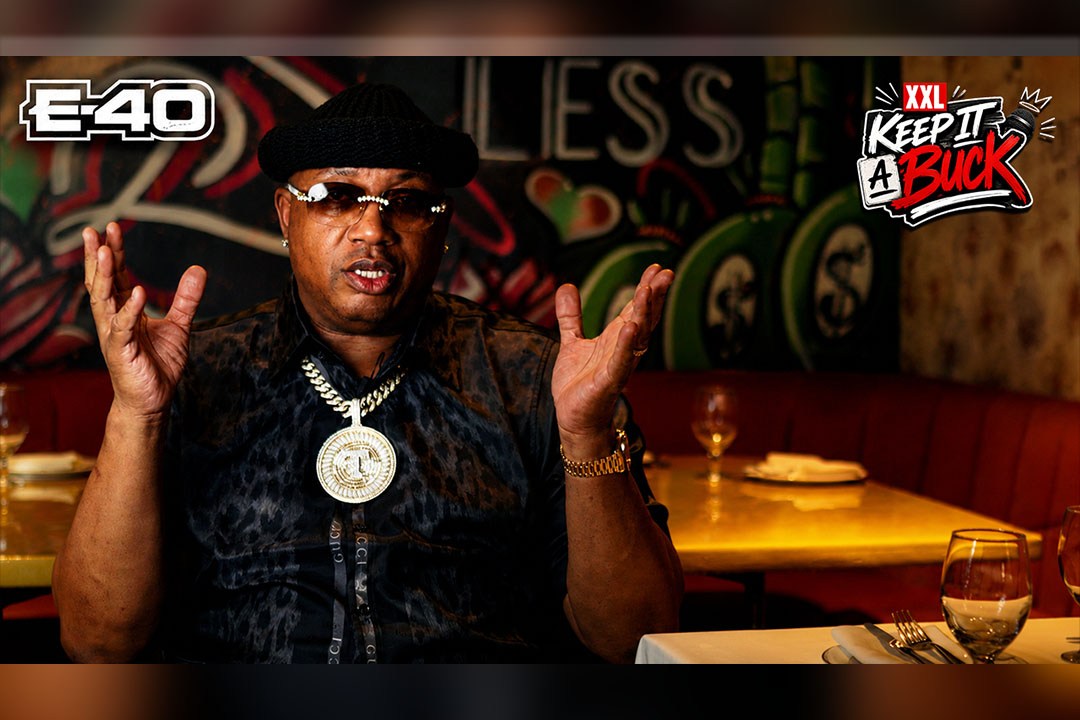
At 58 years old, E-40 is still spitting bars like he’s fresh out the block. The Bay Area OG, known for pioneering the hyphy movement and influencing generations of rappers, recently made it clear that he’s not buying into the idea that hip-hop has an expiration date. With over three decades in the game, E-40 is a living testament to the fact that age is just a number when it comes to spitting rhymes and staying relevant. There’s a certain authenticity that comes with his journey, a narrative that echoes throughout the culture.
In a recent interview, E-40 took off the gloves and talked about everything from the evolving sound of rap to the young artists he believes are keeping the engine running. He’s seen it all,the rise of legends, the fall of once-prominent figures, and the endless cycles of trends. Yet through it all, he remains a constant force, adapting while staying true to his roots. E-40 embodies the spirit of resilience that hip-hop was built on, and his perspective on the future of the genre deserves some serious attention.
Hip-hop in 2023 is a fascinating beast. The genre is no longer just music; it’s a way of life, encapsulating the struggles, triumphs, and everyday realities of millions. But a constant drumbeat from critics claims the music is losing its essence, that the artistry is dwindling, and most alarmingly, that hip-hop is on a downward spiral. E-40's affirmations challenge that narrative. He believes that the artists coming up now have the ability and the creativity to redefine what the culture means. Today’s rappers are blending genres, pushing boundaries, and expanding the sonic landscape. E-40 recognizes talent and tenacity in his younger counterparts, like Larry June, who has carved his niche with a laid-back, business-minded approach. It’s a different hustle, but that’s what keeps the culture alive.
The reality is that hip-hop mirrors the society we live in. It’s a reflection of the times, and as those times change, so too will the music. E-40’s contributions are crucial to understanding how the genre has evolved. From his early days in the '80s, where he dropped innovative tracks like "Captain Save 'Em" and "Tell Me When to Go," to his more recent collaborations with younger artists, he has consistently pushed the envelope. He has shown that being an elder statesman in the game doesn’t mean fading into the background,it means using your platform to elevate others.
Looking at the broader narrative, the pushback against the idea that hip-hop has an expiration date is vital. It challenges the notion that once you hit a certain age, you’re no longer relevant. This attitude is insidious and rooted in a broader societal tendency to undervalue the contributions of older generations, particularly in communities of color. When artists like E-40 openly defy that expectation, it sends a powerful message. The wisdom, experience, and unique perspectives that come with age are invaluable, and dismissing them only shortchanges both the artists and the culture itself.
Moreover, E-40’s remarks come at a time when the industry is wrestling with its identity. The rise of social media and streaming has democratized music, allowing anyone with a smartphone to become a rapper. While this has given voice to a multitude of artists, it's also raised questions about authenticity and artistic integrity. The landscape is flooded with talent, but not all of it is created equal. E-40’s presence reminds us that substance matters. This isn’t just about catchy hooks and viral moments,it's about storytelling, connection, and heart.
The industry’s focus on youth over experience can be disheartening. It fosters a culture where the contributions of seasoned artists are often overlooked. E-40 stands against this tide, proving that the artistry and life lessons he brings to the table are just as crucial as the latest viral sensation. His ongoing relevance is not merely a personal triumph; it’s a statement about the power of perseverance and innovation.
As fans of the culture, we should be celebrating figures like E-40 who refuse to let age determine their place in the game. Instead of relegating them to the past, we need to uplift their voices and perspectives, building bridges between generations of hip-hop. It’s essential for the future of the genre; today’s emerging artists can learn from the wisdom of those who paved the way.
So what’s next? As E-40 keeps pushing forward, it’s vital for fans to stay engaged with the conversation. Pay attention to how the old guard interacts with the new wave of talent. Watch how artists like Larry June break ground while still respecting the legacy of those who came before. The evolution of hip-hop is continual, and it’s up to the community to embrace it all,the young, the old, and everyone in between.
In the end, the narrative that hip-hop is dying is not just a disservice to the genre but a misunderstanding of its fundamental nature. The culture thrives on evolution, and if E-40 is any indication, there’s still a long way to go. The future is bright, and it’s pulsing with the same energy that started it all. So let’s keep the dialogue flowing, honor the legends, and make space for the new wave. The streets deserve it, and so does the culture we love.