Erik Spoelstra and Chris Bosh: What Trust Really Costs
By Renee Fontaine, PowerVault Staff Erik Spoelstra says his early Heat relationships were transactional, and Chris Bosh says he had to push for something more personal. That admission matters because Miami won champio...
Advertisement

By Renee Fontaine, PowerVault Staff
Erik Spoelstra says his early Heat relationships were transactional, and Chris Bosh says he had to push for something more personal. That admission matters because Miami won championships during that period. Winning gave the approach credibility. Bosh’s account reveals what the trophies could not measure.
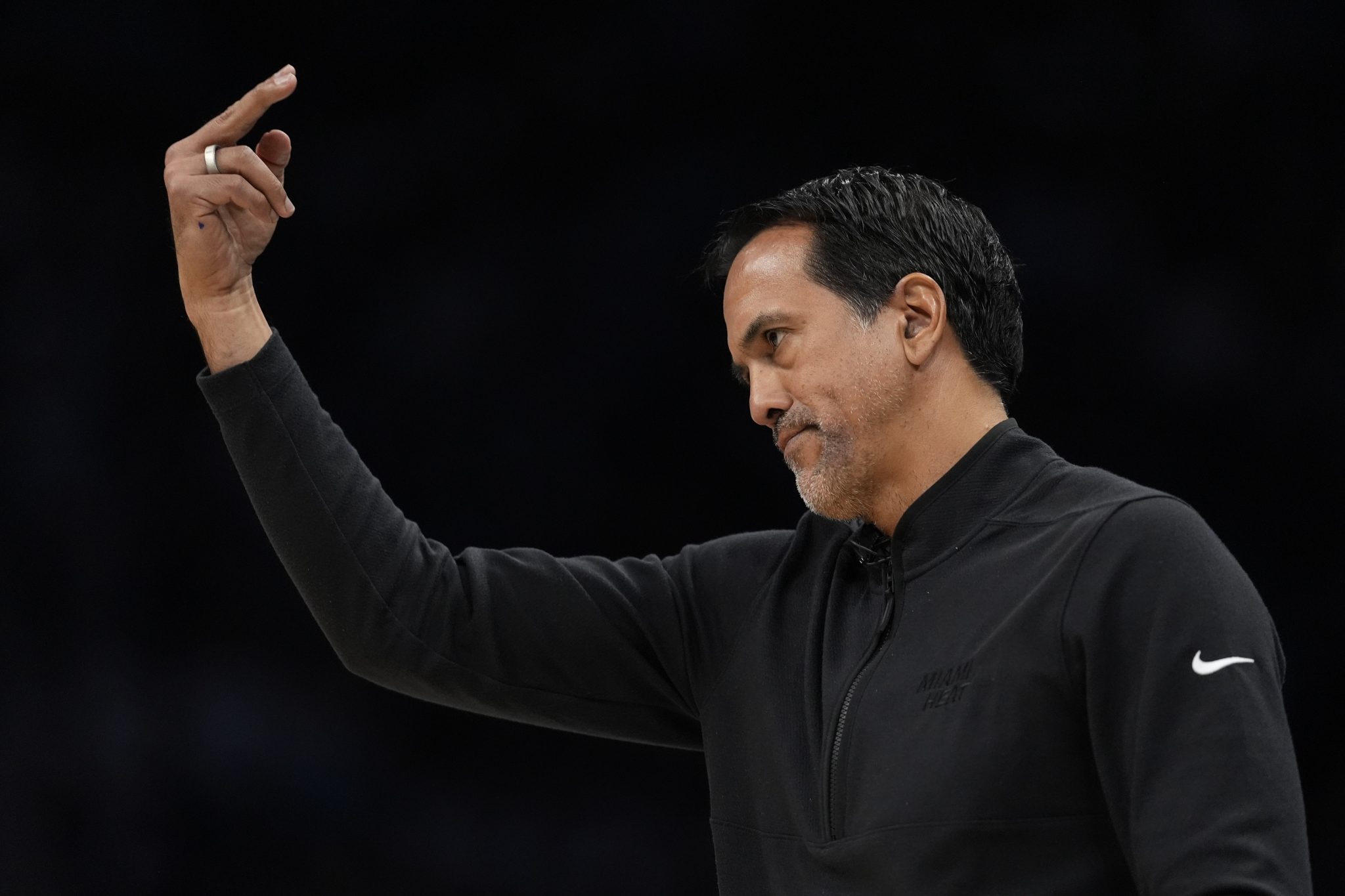
According to Andscape’s reporting on Spoelstra’s coaching evolution, Bosh pressed for a relationship beyond basketball. Their dinners could involve stressful basketball conversations, with little room for life away from work. The Hall of Famer remembers a coach whose guard stayed up, even across a dinner table.
Spoelstra now acknowledges that distance. His explanation included trying to act and look like his own idea of a head coach. The accompanying video follows below.
The video should not become a substitute for the clearest evidence here: both men describe a relationship that needed work. Bosh pushed toward connection, and Spoelstra acknowledges his earlier limits. Neither account requires readers to pretend they know everything that happened behind Miami’s closed doors.
Spoelstra became Miami’s head coach in 2008 at 37, after working as an assistant from 1997 through 2008. Andscape reports that he had enjoyed a close relationship with Dwyane Wade as an assistant. The promotion changed his approach. Authority apparently came with a costume, and emotional distance was part of the fit.
That is the most useful lesson for anyone managing talented people. A bigger title does not require a smaller emotional range. Spoelstra’s own explanation suggests he confused the appearance of command with the work of leadership. Bosh was asking him to stop performing the job long enough to connect.
Bosh deserves credit for making that request. A player can execute the game plan and still want a coach who recognizes his life beyond it. Asking for that connection does not mean asking for easier practices, fewer corrections or guaranteed minutes. Respect and accountability can share a locker room.
A championship can validate a system without vindicating every way people were treated inside it.
Miami reached four consecutive NBA Finals with Spoelstra coaching LeBron James, Wade and Bosh, winning championships in 2012 and 2013. Those results make this admission more significant, not less. A championship can validate a system without vindicating every way people were treated inside it.
For Black athletes, that distinction deserves its own space. PVN’s view is that praise becomes too cheap when it celebrates production but treats a player’s need for connection as an inconvenience. Bosh’s account challenges that bargain. His value to the Heat did not erase his right to want a less guarded relationship.
The credit question matters, too. Spoelstra deserves recognition for changing, but Bosh should not disappear from the story of that growth. The person pressing for a better relationship also does work. That same concern about who gets remembered sits behind PVN’s examination of credit and Wu-Tang Clan’s Rock Hall recognition.
The business implication is not that friendship replaces contracts. A warm dinner cannot settle disagreements over pay, playing time or a player’s future. Personal access can even blur boundaries if everyone mistakes closeness for protection. The useful change is more modest: honest communication can make disagreement less isolating without pretending the power imbalance has vanished.
That imbalance still matters when the coach becomes more approachable. A player should not have to share private pain to prove commitment. Nor should declining dinner become evidence of a bad attitude. Better leadership leaves room for different personalities instead of replacing compulsory distance with compulsory intimacy.
Bosh’s assessment of Spoelstra offers something stronger than a routine compliment. “Everybody doesn’t change,” he told Andscape. “They are stuck in their ways. And he had every reason to be stuck in his ways.” Success can make self examination optional. Bosh appears impressed that Spoelstra chose it anyway.
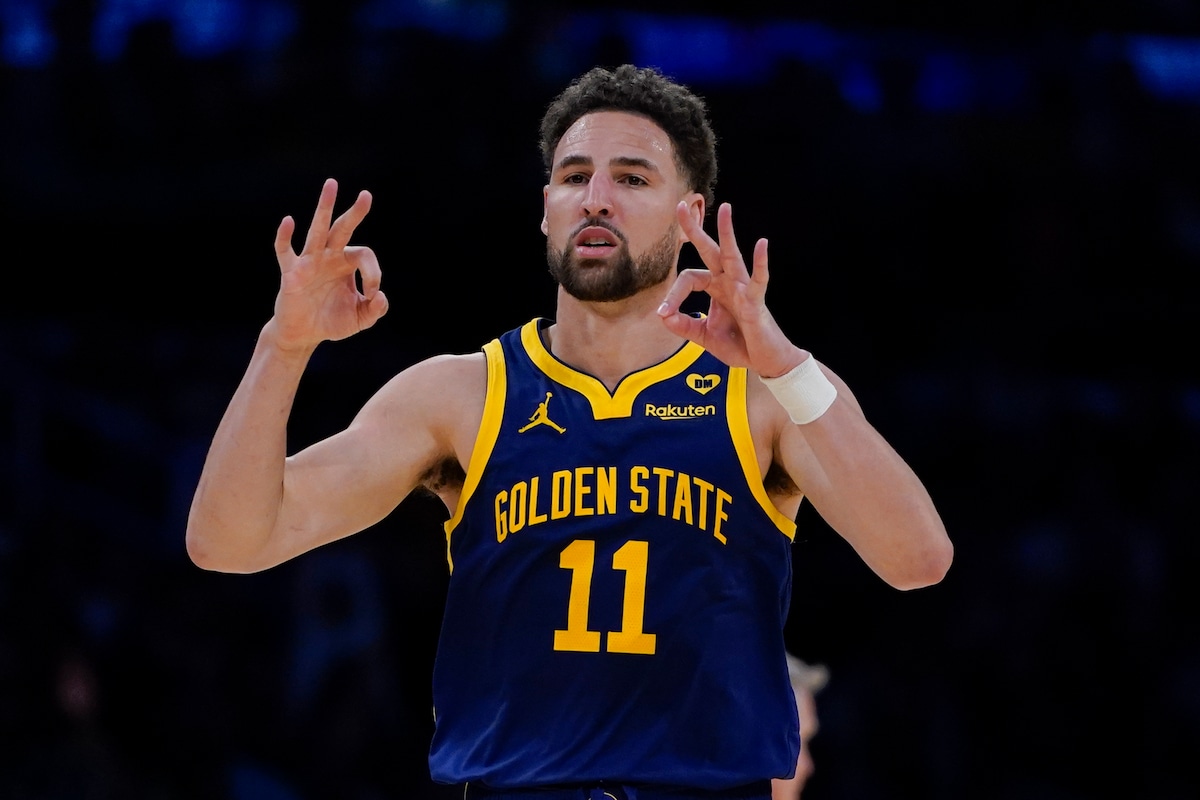
Fans have a responsibility here, too. Wanting athletes treated as people does not create a public right to their private lives. PVN’s coverage of the claims surrounding Klay Thompson’s personal life offers a related reason to keep evidence separate from assumption. Caring about a player is different from claiming access to him.
Spoelstra’s current language leaves useful room for doubt. Hope is not a declaration that the work is finished. His players, not a polished account of his growth, remain the people best positioned to judge whether the relationship actually feels different.
The next test is ordinary basketball pressure. Connection means less if it disappears during a losing stretch, a hard correction or a disagreement over someone’s role. Readers should watch for consistency rather than demand another public display of closeness. The challenge for Miami is whether its personal approach can survive the moments when business gets uncomfortable.
Advertisement
Spoelstra does not need to become every player’s best friend. He needs to keep making space for the person whose labor helps make his system work. Bosh pushed for that space years ago. The standard going forward should be a workplace where the next player does not have to push so hard.
More from PowerVault Network: